
Alcohol is not contraindicated with Mounjaro — there is no direct dangerous interaction between tirzepatide and alcohol. But the combination produces practical effects that many users do not anticipate, and that can undermine both safety and weight loss progress significantly.
How Mounjaro changes your relationship with alcohol
Slower gastric emptying = faster intoxication
Mounjaro significantly slows the rate at which food and liquid leave the stomach. Alcohol absorbed through the stomach (rather than the small intestine) enters the bloodstream more quickly. The practical result is that the same amount of alcohol produces higher blood alcohol concentration, faster, than it did before medication. Many Mounjaro users report feeling drunk from one or two drinks when they previously needed four or five.
Increased nausea risk
Nausea is already a common side effect of Mounjaro — particularly around dose increases. Alcohol is a significant nausea trigger in its own right. The combination can produce severe nausea and vomiting that is disproportionate to the amount consumed. This is particularly common in the first few weeks at any dose level.
Lower blood sugar risk
Mounjaro improves insulin sensitivity and affects blood glucose regulation. Alcohol independently reduces blood glucose. For people using Mounjaro alongside dietary restriction, the combination can produce unexpected hypoglycaemia — particularly after larger amounts of alcohol on an empty stomach. Symptoms (dizziness, sweating, confusion) can be mistaken for intoxication.
Weight loss impact
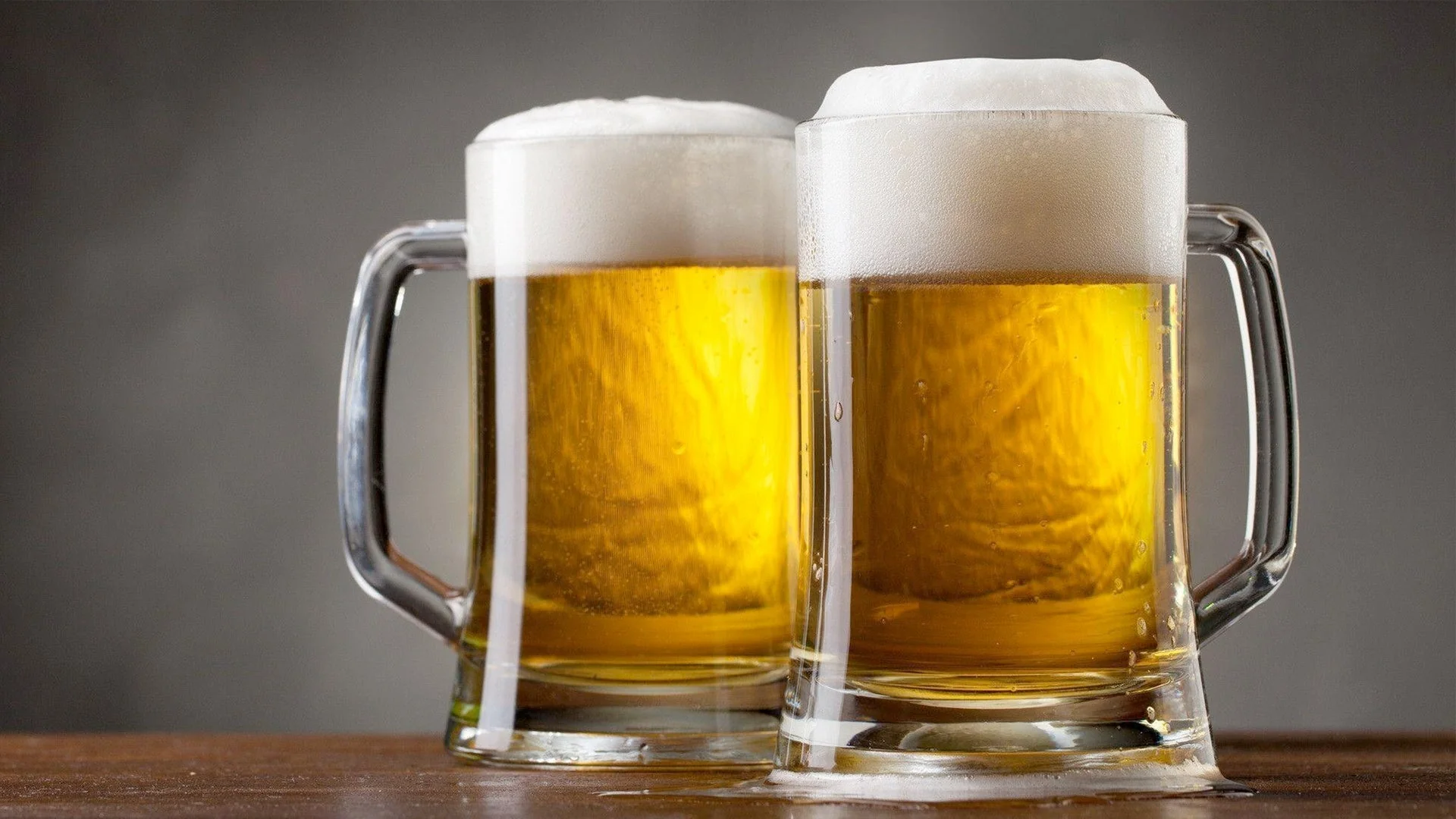
Alcohol contains 7 calories per gram — more than protein or carbohydrates. A standard glass of wine (175ml) is approximately 130–150 calories. A pint of lager is 170–200 calories. Beyond the calories, alcohol impairs fat metabolism for up to 24 hours after consumption and significantly disrupts sleep quality — both of which undermine weight loss progress.
Practical guidance for social occasions on Mounjaro
- Start with half your usual intake and see how you feel before having more — your tolerance may be significantly lower than expected
- Always eat before or during drinking — never drink on an empty stomach on Mounjaro
- Alternate alcoholic drinks with water or sparkling water
- Avoid drinking around injection day — nausea risk is highest in the 24–48 hours after a Mounjaro injection
- Be aware that your usual “safe” amount may no longer be safe — especially in the first 3–6 months of treatment
What many Mounjaro users find naturally
Many people on GLP-1 medication report a significant natural reduction in desire to drink alcohol — in the same way appetite for food is reduced. Research suggests GLP-1 receptors in the brain’s reward system may reduce the dopamine response to alcohol, making it feel less enjoyable and easier to decline. This effect is not universal, but it is reported by a meaningful proportion of users.
🌿 Lily & Loaf Electrolytes — essential after drinking on Mounjaro
Alcohol is a diuretic that depletes electrolytes — particularly sodium and potassium. On Mounjaro, where baseline electrolyte intake may already be lower from reduced food intake, a post-drinking electrolyte replacement significantly reduces the headache, fatigue, and nausea of the morning after. One teaspoon in 300ml water before bed and again in the morning.
Related: What to Drink on Mounjaro UK | GLP-1 at a Festival UK — Practical Tips
Discover more from Healthy Weight Loss GLP1
Subscribe to get the latest posts sent to your email.