
Electrolytes — sodium, potassium, magnesium, and chloride — are minerals that regulate fluid balance, muscle contraction, nerve function, and energy metabolism. When you reduce calorie intake, increase exercise, or take appetite-suppressing medication, electrolyte balance is disrupted in ways that produce symptoms many people mistake for hunger, fatigue, or medication side effects.
Why electrolytes matter more during weight loss
- Calorie restriction depletes electrolytes through reduced food intake — particularly sodium (from reduced processed food) and potassium (from reduced fruit and vegetable intake at lower calories)
- Increased water intake flushes electrolytes — drinking more water (as recommended during dieting) dilutes electrolyte concentrations
- GLP-1 medication reduces food and fluid intake simultaneously — both electrolyte intake and fluid consumption can drop significantly
- Exercise increases sweat and electrolyte loss — even low-intensity walking at high body weight produces significant sweat
- Low carbohydrate eating releases stored water and electrolytes — each gram of glycogen is stored with approximately 3g of water and the electrolytes dissolved in it
Symptoms of electrolyte imbalance during weight loss
| Symptom | Most likely electrolyte | Other causes to rule out |
|---|---|---|
| Muscle cramps, particularly legs | Magnesium, potassium | Dehydration, overexertion |
| Headaches | Sodium | Dehydration, caffeine withdrawal |
| Fatigue, brain fog | All electrolytes + B vitamins | Insufficient calories, poor sleep |
| Dizziness on standing | Sodium | Low blood pressure, dehydration |
| Heart palpitations | Potassium, magnesium | Always check with GP if persistent |
| Constipation | Magnesium | Low fibre, reduced food volume |
What to look for — and avoid — in an electrolyte drink
Look for:
- All three primary electrolytes: sodium, potassium, and magnesium
- Zero or very low sugar (under 2g per serving)
- B vitamins for energy support (B6, B12, B1)
- Zinc and vitamin C for immune function (particularly relevant on a calorie deficit)
- Powder or tablet format — lower cost per serving than ready-mixed bottles
Avoid:
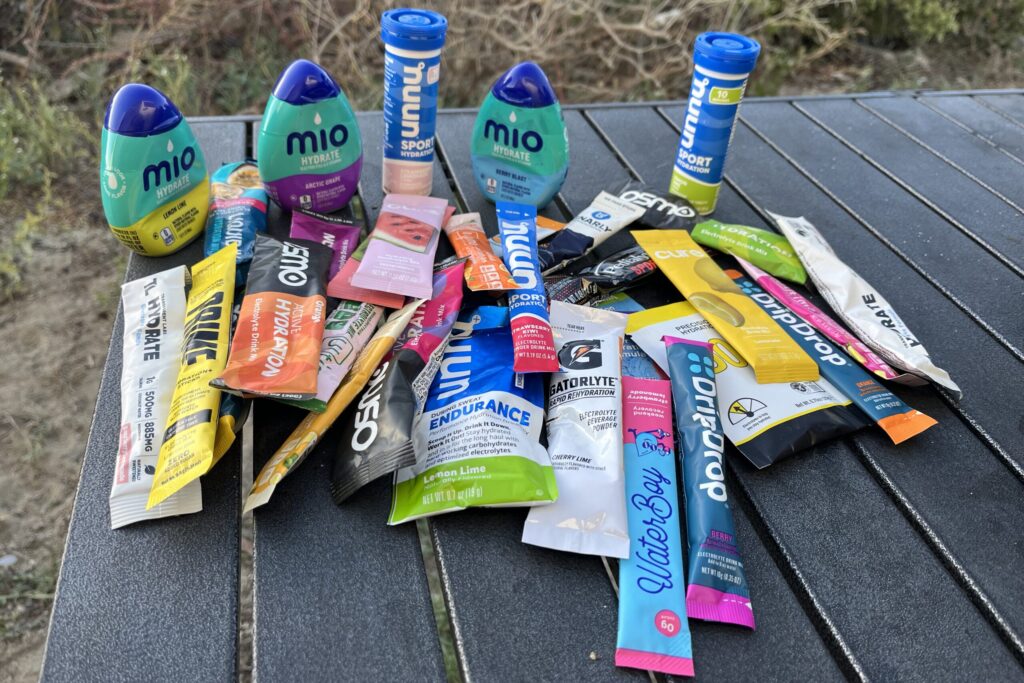
- Commercial sports drinks (Lucozade Sport, Powerade, Gatorade) — 150–200 calories and 30–40g sugar per bottle
- Electrolyte products containing artificial sweeteners if they cause digestive discomfort
- Products marketing “energy” from stimulants rather than actual electrolytes
How to use electrolytes during weight loss
- One serving per day in 300–500ml of water — not every glass of water
- Best timing: mid-morning or around exercise
- On GLP-1 medication: particularly important after dose increases when nausea reduces food and fluid intake
- On active days: consider a second serving if exercising for more than 45 minutes in warm conditions
🌿 Lily & Loaf Electrolyte Drink — formulated for people eating less
The Lily & Loaf Electrolyte formula contains sodium, potassium, magnesium, B vitamins (B1, B6, B12), zinc, and vitamin C — covering the full electrolyte and micronutrient spectrum. Zero sugar, zero calories from sweeteners, designed specifically for people on reduced calorie intakes or GLP-1 medication. One teaspoon in 300ml of water once daily.
Related: Electrolytes for GLP-1 Users | How Many Steps a Day to Lose Weight UK
Discover more from Healthy Weight Loss GLP1
Subscribe to get the latest posts sent to your email.