

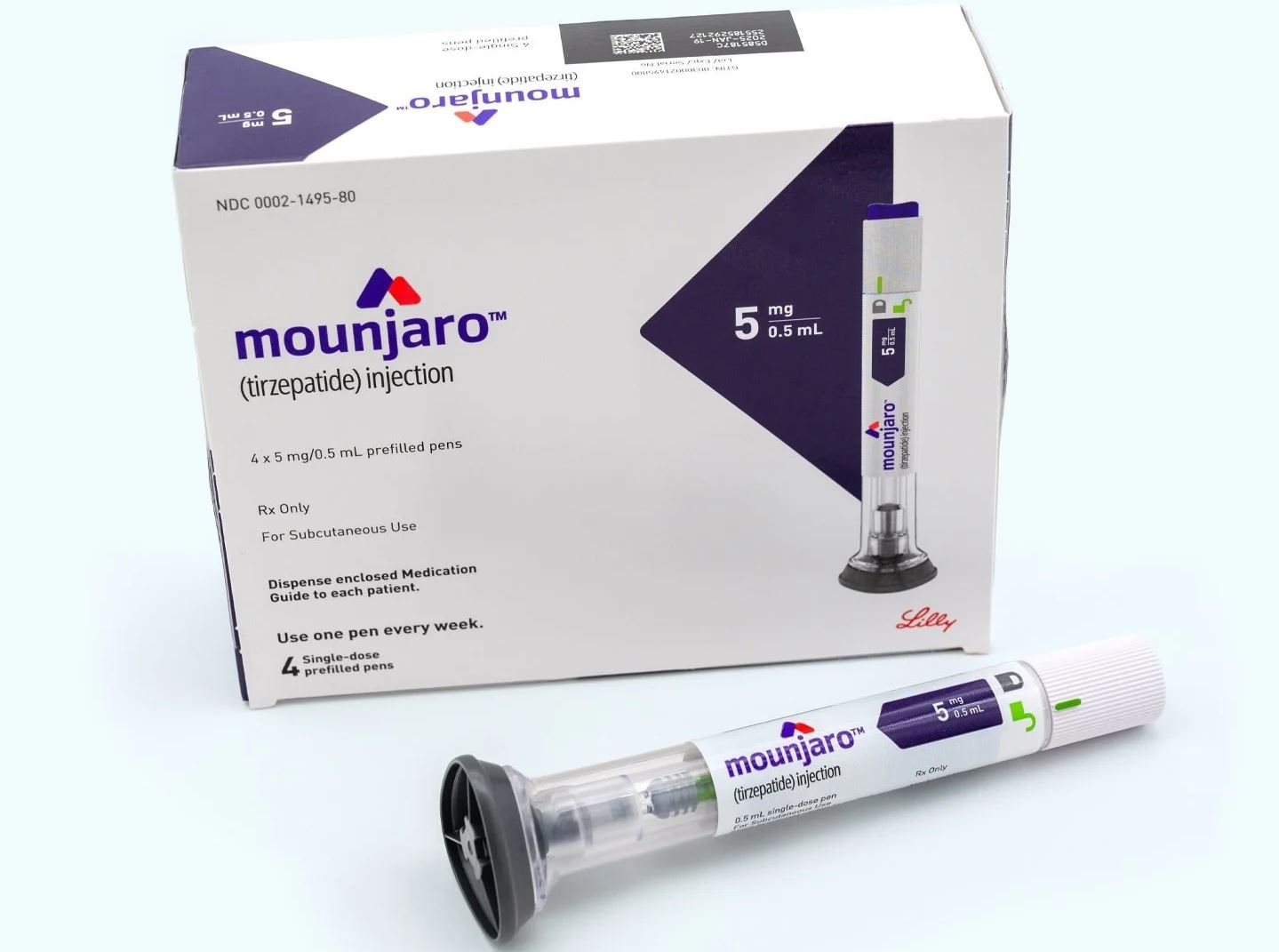
Mounjaro (tirzepatide) is prescribed on a carefully controlled dose schedule — starting at 2.5mg and increasing every four weeks until you reach either 15mg or the dose that delivers your target weight loss with acceptable side effects. This is not arbitrary. The titration schedule exists because your body needs time to adapt at each dose level, and the people who rush it experience significantly worse side effects without meaningfully better weight loss.
This guide covers every dose in the schedule in detail — what actually happens week by week, what weight loss to expect, how side effects change, what to eat, what supplements matter at each level, and how to make the most critical decisions: when to progress, when to hold, and what your maintenance dose looks like.
📋 IN THIS GUIDE
- How Mounjaro titration works
- Full dose schedule 2.5–15mg
- 2.5mg — Week 1–4 in detail
- 5mg — The first real test
- 7.5mg — Where results accelerate
- 10mg — The sweet spot
- 12.5mg — Pushing further
- 15mg — Maximum dose
- When to progress vs hold
- Missed a dose? What to do
- Side effects at each dose
- Nutrition at each dose level
- Supplements to take at each dose
- Plateauing at a dose
- Finding your maintenance dose
- What happens when you stop
- 40+ FAQs
How Mounjaro titration works — and why it matters
Titration means starting at a low dose and increasing gradually over time. For Mounjaro, this means beginning at 2.5mg — a dose so low it produces minimal side effects and modest weight loss — and stepping up by 2.5mg every four weeks until you reach your target dose.
The pharmacokinetics of tirzepatide explain why 4 weeks is the minimum. Mounjaro has a half-life of approximately 5 days, meaning it takes approximately 4 weeks (4–5 half-lives) to reach steady-state plasma concentrations at each dose level. In practical terms, this means:
- The full effect of any dose is not felt until week 3–4 at that dose — not the day you inject it
- Progressing before week 4 means escalating before you have experienced the full effect of the current dose
- Side effects are typically worst in weeks 1–2 at any new dose and improve substantially by weeks 3–4 as plasma levels stabilise
| Pharmacokinetic fact | Clinical implication |
|---|---|
| Half-life ~5 days | Steady-state reached at ~4 weeks |
| Peak concentration 8–72 hours post-injection | Side effects concentrated in first 3 days after each injection |
| Once-weekly injection | Weekly rhythm allows dose-day planning (see below) |
| Dose-proportional exposure increase | Each 2.5mg step up produces predictable increases in effect |
| No food-related timing requirement | Can inject any time of day — consistency matters more than timing |
Why you cannot safely start at a higher dose
Starting at 15mg from day one would produce severe, protracted nausea and vomiting that the slow titration schedule is specifically designed to prevent. The titration process allows gut GLP-1 receptors to desensitise gradually, reducing the intensity of gastrointestinal side effects. It also gives your prescriber the opportunity to identify your optimal maintenance dose — which for many people is below 15mg.
Clinical trials confirm: starting at a higher dose does not produce meaningfully better long-term outcomes. The people who reach 15mg steadily over 5 months achieve similar or better weight loss outcomes than hypothetical fast-track approaches, with substantially better tolerability and adherence.
Minimum 4 weeks at each dose before progressing. Many people reach their maintenance dose before 15mg.
The full Mounjaro dose schedule UK — 2.5mg to 15mg
| Week | Dose | Status | Average cumulative weight loss | Side effect level |
|---|---|---|---|---|
| 1–4 | 2.5mg | Starting/initiation dose | 2–6lbs (mostly water) | ⭐ Low |
| 5–8 | 5mg | First escalation | 5–12lbs total | ⭐⭐ Low-moderate |
| 9–12 | 7.5mg | Second escalation | 10–22lbs total | ⭐⭐⭐ Moderate |
| 13–16 | 10mg | Third escalation | 15–30lbs total | ⭐⭐⭐ Moderate |
| 17–20 | 12.5mg | Fourth escalation | 18–36lbs total | ⭐⭐⭐ Moderate |
| 21+ | 15mg | Maximum dose | 20–50lbs+ total | ⭐⭐⭐ Moderate (settles) |
Weight loss ranges are broad because individual response varies significantly based on starting weight, diet, exercise, and adherence to protein targets. Heavier starting weights produce higher absolute weight loss at each dose level.
2.5mg — Week 1 to 4 in detail
Weeks 1–4 | Initiation dose
| Average weekly loss | 0.5–1.5lbs/week average (mostly water weight week 1–2) |
| Appetite suppression | Mild — noticeable reduction in appetite, particularly in the 24–48 hours after injection |
| Main side effects | Mild nausea (often none at all), possible mild fatigue, injection site redness |
| Nutrition priority | Protein: establish your daily shake/yoghurt routine immediately. Electrolytes: start day 1. |
| Key supplements | Daily Fuel (protein), Electrolyte Drink, Vitamin D3+K2 — establish the routine before you need it |
What you need to know at this dose: Many people feel almost no effect at 2.5mg — this is normal and expected. The starting dose is for your body to adjust to the medication, not for dramatic weight loss. Do not judge the medication based on week 1 results. The scale may drop 3–6lbs in the first two weeks — this is primarily water weight from reduced carbohydrate intake, not fat. Real fat loss begins from week 4 onward.
What week-by-week life actually looks like at 2.5mg
| Week | Appetite | Side effects | Scale | What to focus on |
|---|---|---|---|---|
| Week 1 | Slightly reduced — mainly in 24–48hrs post-injection | Usually very mild or none. Possible injection site redness. | Down 2–5lbs (water weight) | Establish injection routine, protein shake habit, electrolytes daily |
| Week 2 | More consistently reduced between meals | Possible mild nausea on injection day | Slows or plateaus — water weight has dropped | Don’t panic at the slowdown. This is normal. Real fat loss is beginning. |
| Week 3 | Reaching steady-state effect — consistent appetite reduction | Often settles significantly | 0.5–1lb/week of actual fat loss beginning | Protein targets every day. Walk 7,000–10,000 steps if possible. |
| Week 4 | Full effect of 2.5mg established | Usually well tolerated by now | Consistent 0.5–1lb/week | Assess: ready to progress to 5mg? Side effects settled? 4 weeks up? |
The most common 2.5mg mistakes
- “It’s not working” — judging too early: the scale drop in weeks 1–2 is water weight. When it slows in week 3, many people assume the medication has failed. It hasn’t — real fat loss is just beginning. Give it the full 4 weeks.
- Not starting supplements immediately: protein deficiency, electrolyte depletion, and vitamin D deficiency do not wait until you are on a higher dose. Start the full nutritional stack from day 1.
- Eating less than 1,200 calories because appetite is gone: the medication creates appetite suppression — not permission to eat almost nothing. At sub-800 calories, muscle loss accelerates and hair loss risk increases. Hit your protein minimum every day regardless of appetite.
5mg — Weeks 5 to 8: The first real test
Weeks 5–8 | First escalation
| Average weekly loss | 1–2lbs/week | Starting to feel significant |
| Appetite suppression | Noticeably stronger — most people feel genuinely different from 2.5mg |
| Main side effects | Nausea increases in weeks 5–6 as dose settles, particularly 24–72 hours post-injection |
| Nutrition priority | Protein non-negotiable. On difficult days: Greek yoghurt, cottage cheese, protein shake only is fine. |
| Key supplements | Electrolytes (most important here), Triple Magnesium (sleep may be disrupted at this dose), Daily Fuel |
What you need to know at this dose: 5mg is the dose where most people start to ‘feel’ the medication properly. Many people experience their first meaningful nausea episode here. Eat slowly — 20 minutes minimum per meal. Stop when 70% full, not 100%. The stomach empties more slowly at this dose; overfullness at 5mg produces uncomfortable nausea for several hours.
Week-by-week at 5mg
| Week | What changes vs 2.5mg | Side effect watch | Scale |
|---|---|---|---|
| Week 5 (first 5mg injection) | Stronger appetite suppression within 24–48hrs — noticeably different to 2.5mg | Nausea more likely here than at 2.5mg. Eat before injecting if morning, avoid empty stomach. | Often a small additional drop as dose increases |
| Week 6 | Food aversions may develop — certain foods become unappealing | Nausea should be settling. If still significant by week 6, do not progress to 7.5mg yet. | 0.75–1.5lbs/week |
| Week 7 | Sleep may be slightly disrupted in some people — magnesium glycinate helps | Constipation can emerge at this dose — increase water to 2.5L, add psyllium husk if needed | Steady fat loss establishing |
| Week 8 | Full 5mg effect established. Many people who stop at 5mg maintenance see solid ongoing results. | Side effects typically well managed by week 8 for most people | Cumulative 5–12lbs from week 1 for most |
5mg is a valid maintenance dose — for some people
SURMOUNT trial data shows average weight loss of 16% at 5mg maintenance over 72 weeks. For a 16-stone (102kg) person, this is approximately 16kg (35lbs). That is a significant outcome. Not everyone needs to push to 15mg. If 5mg produces strong appetite suppression and consistent weight loss, and side effects are well managed — discuss with your prescriber whether staying at 5mg makes sense as your maintenance dose.
🌿 Lily & Loaf — Recommended
Electrolyte Drink
Na + K + Mg + B vitamins · Zero sugar · Essential from week 1
✅ 90-day money-back guarantee · ✅ Free UK delivery over £40
Most important from 5mg onwards — dehydration at this dose is the most common cause of fatigue and headaches.
7.5mg — Weeks 9 to 12: Where weight loss accelerates
Weeks 9–12 | Second escalation
| Average weekly loss | 1.5–2.5lbs/week | The dose where most people feel the most change |
| Appetite suppression | Strong and consistent — most users describe food as significantly less appealing |
| Main side effects | Nausea risk moderate on first injection of this dose. High-fat meals are now a reliable trigger — avoid them. |
| Nutrition priority | Protein harder to hit — two daily protein shakes often becomes necessary. Small meals frequently. |
| Key supplements | Daily Fuel x2 if needed, Triple Magnesium (sleep quality matters now), Electrolytes (essential) |
What you need to know at this dose: 7.5mg is often described as the ‘turning point’ dose — where the change becomes visible, clothes fit differently, and the medication stops feeling like a supplement and starts feeling like significant medical treatment. It is also where nutritional management becomes most critical, because food intake drops substantially and protein targets become genuinely difficult to hit through food alone.
What changes at 7.5mg that most people don’t expect
Food aversions become specific and strong. Many people find particular foods — often the ones they ate most frequently before the medication — become actively unappealing. Red meat, fried food, and heavy meals are commonly reported triggers for nausea at 7.5mg. This is GLP-1-mediated food aversion and is not permanent, but it is pronounced at higher doses.
The “soft food trap” becomes a real risk. When solid protein foods become unappealing, people naturally drift toward whatever is palatable — which is often ice cream, crackers, yoghurt with sugar, or other soft, lower-protein foods. This produces weight loss but poor body composition — you lose muscle alongside fat. The solution is high-protein soft foods: Greek yoghurt (0%), cottage cheese, protein shakes, scrambled eggs, tinned fish, silken tofu.
Hair loss often begins here. Telogen effluvium — the hair shedding triggered by rapid weight loss — typically begins 2–4 months after significant weight loss starts. If you started Mounjaro at an accelerated dose, 7.5mg month three is exactly when this would manifest. The most important intervention is protein and vitamin D3 — both covered by Daily Fuel.
| 7.5mg concern | Why it happens | What to do |
|---|---|---|
| Food aversions | GLP-1 receptor activation in the brain’s reward system reduces palatability of previously enjoyed foods | Work with it — eat what is tolerable but make it high-protein. Protein shakes are not cheating. |
| Hair shedding beginning | Telogen effluvium triggered by rapid weight loss physiological stress | Protein every day. Vitamin D3+K2. Biotin if not in Daily Fuel. This is temporary — do not stop the medication. |
| Constipation worsening | Slowed peristalsis more pronounced at higher doses, combined with lower food volume | 2.5L water, psyllium husk before bed, Post-Pro 15 probiotics, walking 20 min post-meals |
| Noticeably weaker at gym | Reduced calorie and protein intake affecting exercise performance | Increase protein; consider creatine 3–5g daily; resistance training 2x week minimum |
🌿 Lily & Loaf — Recommended
Daily Fuel Plant Protein Shake
21g protein · 15 vitamins and minerals · 5g fibre · 102 calories
✅ 90-day money-back guarantee · ✅ Free UK delivery over £40
At 7.5mg many people need two shakes daily to hit protein targets when solid food is unappealing.
10mg — Weeks 13 to 16: The sweet spot for most people
Weeks 13–16 | Third escalation
| Average weekly loss | 1.5–2.5lbs/week | Possibly your optimal maintenance dose |
| Appetite suppression | Very strong — significant reduction in food noise and spontaneous eating |
| Main side effects | Usually well tolerated by those who reached 10mg through proper titration. Nausea risk on first injection at this dose. |
| Nutrition priority | Protein supplementation is not optional here. Daily minimum — treat it like medication. |
| Key supplements | Full stack: Daily Fuel, Electrolytes, Triple Magnesium, Vitamin D3+K2 — and Biotin Plus if hair loss is present |
What you need to know at this dose: 10mg is where the SURMOUNT trial showed 21.4% average weight loss — and 49% of participants losing more than 20% of body weight. For many people, this is the optimal maintenance dose that balances efficacy with tolerability. The difference between 10mg and 15mg is approximately 1–2 percentage points of additional weight loss for most people. That gap matters at high starting weights; it is modest at lower starting weights.
The 10mg vs 15mg decision — how to think about it
This is one of the most common questions at this point in the titration schedule. Here is how to think about it clearly:
| Scenario | Consider staying at 10mg | Consider progressing to 12.5mg/15mg |
|---|---|---|
| Weight loss rate | 1–2lbs/week consistently at 10mg | Loss has stalled at 10mg despite all other factors addressed |
| Side effects | Still experiencing significant nausea or GI issues at 10mg | Side effects well settled; 10mg well tolerated for 4+ weeks |
| Starting weight | Approaching target weight — 10mg may be enough to reach goal | Still significantly above target weight; higher dose efficacy needed |
| Protein targets | Not consistently hitting 1.6g/kg — address before escalating | Protein and nutrition fully optimised; all other factors addressed |
| Tolerability | Side effects at 10mg feel like maximum tolerable load | 10mg well tolerated; willing to accept possible increased side effects for more loss |
Cumulative results by week 16 — what to realistically expect
| Starting weight | Average total loss by week 16 (10mg) | What this looks like |
|---|---|---|
| 14 stone (89kg) | 12–20lbs | Down 1–1.5 clothing sizes; waist 2–4 inches smaller |
| 16 stone (102kg) | 15–25lbs | Visible and significant; energy substantially improved |
| 18 stone (114kg) | 18–30lbs | Down 1–2 clothing sizes; major change in mobility |
| 20 stone (127kg) | 20–35lbs | Down 1.5 stone; joints, sleep, energy transforming |
| 24 stone (152kg) | 25–42lbs | Approaching 2 stone lost; health markers likely improving |
Sponsored — Hello Fresh
Getting protein right at 10mg is hard without structure
At 10mg, food decisions require the least effort possible. Hello Fresh pre-portioned, calorie-labelled dinners remove the planning entirely — choose their higher-protein recipes and hit your targets without thinking about it every evening. Use code ALAN50 for 50% off your first box, then 20% off your next 4 boxes plus free treats for 3 months.
12.5mg — Weeks 17 to 20: Pushing further
Weeks 17–20 | Fourth escalation
| Average weekly loss | 1.5–2.5lbs/week | Similar to 10mg for many people |
| Appetite suppression | Very strong — some users report near-complete appetite suppression at this dose |
| Main side effects | Some people experience a return of nausea at this dose increase. First injection may be rougher than 10mg. |
| Nutrition priority | Protein maintenance is critical. Many people find eating feels like a chore at this dose — protein shakes become a meal replacement necessity, not a supplement. |
| Key supplements | Ashwagandha KSM-66 worth adding here (cortisol from stress of adaptation). Full existing stack maintained. |
What you need to know at this dose: SURMOUNT data shows modest additional weight loss vs 10mg for many people — the difference is more pronounced at the 72-week endpoint than at week 20. If 12.5mg causes significant side effects that 10mg did not, discuss with your prescriber whether the additional benefit is worth it for your specific situation.
Why the 12.5mg → 15mg step matters less than you think
SURMOUNT-1 showed 21.4% average weight loss at 10mg and 22.5% at 15mg over 72 weeks — a 1.1 percentage point difference. At 18 stone (114kg), this represents approximately 1.25kg (2.75lbs) of additional weight loss from the entire additional dose journey. For some people that matters; for others, the increased side effect burden is not worth it. This is a decision to make with your prescriber, not an automatic default to escalate.
15mg — Week 21 onwards: Maximum dose
Week 21+ | Maximum approved dose
| Average weekly loss | 1–2lbs/week (often plateau phase beginning) |
| Appetite suppression | Maximum available — some people find appetite essentially gone at this dose |
| Main side effects | First injection at 15mg often produces notable nausea. First 2 weeks most challenging of the entire titration. |
| Nutrition priority | Food intake may be very low. Double protein shakes daily. Small portions of solid food when possible. Nutrient supplementation most critical here. |
| Key supplements | Full stack essential. Consider adding Collagen Plus if skin laxity is a concern as weight loss accumulates. |
What you need to know at this dose: 15mg is not the right destination for everyone. It is appropriate for people who still have significant weight to lose, who tolerated 12.5mg well, and whose prescriber confirms the escalation. It is not appropriate for people who have reached a healthy weight or who are experiencing persistent significant side effects. SURMOUNT data shows the most dramatic weight loss outcomes at 15mg — but also the highest side effect burden.
Long-term at 15mg — the maintenance phase
Once weight loss slows to 0.5–1lb per week or stops — typically 12–18 months in — you have reached your body’s setpoint for this dose. At this point, the medication’s role shifts from active weight loss to weight maintenance. SURMOUNT-4 showed that continuing Mounjaro at the maintenance dose prevents the weight regain that occurs when it is stopped. This is the point to have an honest conversation with your prescriber about long-term treatment strategy.
When to progress to the next dose — and when to hold
| Progress when: | Hold when: |
|---|---|
| ✅ Minimum 4 weeks at current dose | ⛔ Less than 4 weeks at current dose |
| ✅ Side effects from current dose have settled (week 3–4) | ⛔ Still experiencing significant nausea or vomiting |
| ✅ Protein and hydration consistently managed | ⛔ Protein targets not being hit |
| ✅ Weight loss stalling at current dose with all factors addressed | ⛔ Active weight loss continuing at current dose |
| ✅ Prescriber confirms progression is appropriate | ⛔ Prescriber advises holding |
| ✅ No significant lifestyle disruption (holidays, illness, surgery) upcoming | ⛔ Major life event in next 4 weeks where side effects would be problematic |
Is it OK to stay at the same dose indefinitely?
Yes — absolutely. There is no medical requirement to escalate to the maximum dose. The goal is the lowest dose that achieves your weight loss target with acceptable tolerability. Many people have excellent long-term outcomes at 5mg, 7.5mg, or 10mg. “Maintenance dose” means the dose you stay on — not the maximum available.
Missed a dose? Exactly what to do
| Scenario | What to do |
|---|---|
| Missed dose, less than 4 days (96 hours) since scheduled day | Inject as soon as you remember. Return to your normal weekly schedule. |
| Missed dose, more than 4 days (96 hours) since scheduled day | Skip the missed dose entirely. Resume your normal injection day next week. Do not inject two doses to compensate. |
| Missed dose at a dose increase week | Follow the same rules — do not take double dose. Resume normal schedule. |
| Repeated missed doses (2+ weeks) | Contact your prescriber — you may need to re-titrate from a lower dose |
| Missed several weeks (illness, supply issue) | Contact prescriber before resuming — returning to previous dose after a break may require re-titration from a lower dose |
Tirzepatide half-life is approximately 5 days — this means missing one injection does not cause immediate loss of effect. The weekly plasma level dip is small. However, consistent weekly injection at the same time maintains the most stable appetite suppression throughout the week.
Best day and time to inject
There is no medically optimal time. Choose a day and time that you will consistently remember and that minimises disruption when side effects peak (24–72 hours post-injection):
- Friday or Saturday evening injection: most popular choice — side effects peak over the weekend when work demands are lowest
- Sunday morning: good choice if weekdays are demanding — Monday-Tuesday side effects are typically lightest by this point in treatment
- Avoid Monday injection if your job requires your full concentration on Monday–Tuesday and you are still in the titration phase where side effects are more pronounced
Side effects at each dose — what to expect and manage
Nausea — the most common, and the most manageable
| Dose | Nausea frequency | Duration | Management priority |
|---|---|---|---|
| 2.5mg | ~15–20% experience notable nausea | 24–48hrs post-injection | Low — most manage without intervention |
| 5mg | ~30–35% at dose increase | Settles by weeks 7–8 | Moderate — eat slowly, avoid carbonation |
| 7.5mg | ~40% at dose increase | Weeks 9–10 worst; settles by week 12 | High — ginger tea, small meals, consider antiemetic |
| 10mg | ~35% at dose increase (less than 7.5mg for many) | Weeks 13–14; settles faster if titration has been slow | Moderate — well-practiced strategies help |
| 12.5mg | ~30% at dose increase | Weeks 17–18 | Moderate |
| 15mg | ~40% at dose increase (first injection often rough) | Weeks 21–22; first 2 weeks hardest | High — first injection at 15mg is often the hardest single dose day |
The most effective nausea management strategies, in order:
- Eat slowly — minimum 20 minutes per meal. Put cutlery down between bites.
- Stop at 70–80% full — not when the plate is empty
- Avoid carbonated drinks completely (including sparkling water)
- Ginger tea before and after meals — evidence-based antiemetic
- Peppermint tea between meals
- Cold food over hot food on bad days — cooking smells worsen nausea
- Room-temperature injection pen (not cold from fridge)
- Ask prescriber for ondansetron or metoclopramide for severe days
Constipation — very common, very manageable
GLP-1 receptors throughout the gut slow peristalsis — the wave of muscle contractions that moves food through. This is compounded by reduced food volume and reduced fluid intake (thirst is suppressed alongside appetite). The intervention hierarchy:
- 2.5 litres of still water per day — scheduled, not thirst-triggered
- 25–30g dietary fibre daily (oats, lentils, vegetables, Daily Fuel fibre)
- Psyllium husk (1 tsp in a large glass of water before bed)
- Probiotics — 15-strain formula to support gut motility
- 20-minute walk after main meals directly stimulates peristalsis
- Macrogol/Movicol (osmotic laxative) — OTC, safe for regular use if dietary measures insufficient
- Avoid stimulant laxatives (senna) for regular use — can cause dependency
Hair loss — when it comes, what helps
Hair loss (telogen effluvium) typically begins 2–4 months after significant weight loss starts — often in the 7.5mg–10mg phase for people who started Mounjaro at the beginning. It is caused by the physiological stress of rapid weight loss, not by the medication directly. The most important interventions:
- Protein — 1.6g/kg target weight daily, every day. Hair is keratin (protein). This is the single most important intervention.
- Vitamin D3+K2 — vitamin D receptors in hair follicles; deficiency independently worsens telogen effluvium
- Iron — most important for premenopausal women; test ferritin before supplementing
- Zinc and B12 — both in Daily Fuel at 100% NRV
- Biotin Plus — additional targeted hair support alongside protein foundation
- Do not stop Mounjaro — hair loss is caused by weight loss, not the medication. Stopping restores weight (and the trigger) but the hair loss cycle continues.
🌿 Lily & Loaf — Recommended
Biotin Plus
Targeted hair health support · 5,000mcg biotin + additional nutrients
✅ 90-day money-back guarantee · ✅ Free UK delivery over £40
Add from month 3 if hair loss begins. Note: stop 48 hours before any blood test — biotin interferes with thyroid assays.
Nutrition at each dose level — what changes and why
Nutritional requirements and challenges shift at each dose level. Here is what changes and what to prioritise:
| Dose | Typical daily intake | Protein challenge level | Most common failure | Key strategy |
|---|---|---|---|---|
| 2.5mg | 1,400–1,800 kcal | ⭐ Manageable | Over-restricting unnecessarily | Establish protein-first eating habits |
| 5mg | 1,200–1,600 kcal | ⭐⭐ Moderate | Protein falling below 100g/day | Protein shake as daily baseline, not optional |
| 7.5mg | 1,000–1,400 kcal | ⭐⭐⭐ Significant | Drifting to soft/high-calorie foods as solid protein becomes unappealing | Two protein shakes; protein-rich soft foods only |
| 10mg | 900–1,300 kcal | ⭐⭐⭐ Significant | Muscle loss from insufficient protein | Track protein religiously; consider creatine to preserve muscle |
| 12.5mg–15mg | 800–1,200 kcal | ⭐⭐⭐⭐ Very challenging | Eating feels like a chore; nutritional deficiency risk highest | Treat protein shake as medication — non-negotiable daily |
The protein minimum — non-negotiable at any dose
Protein target: minimum 1.6g per kg of target body weight, every day. On the worst days, when eating feels impossible, a protein shake in 300ml of water is not optional — it is the most important thing you will eat.
| Target weight | Daily protein minimum | Easiest path to hitting it |
|---|---|---|
| 10 stone (63kg) | 100g | Protein shake (21g) + Greek yoghurt (20g) + tuna (26g) + 2 eggs (12g) + cottage cheese (17g) = 96g |
| 12 stone (76kg) | 120g | Two protein shakes (42g) + chicken breast (45g) + Greek yoghurt (20g) + eggs (12g) = 119g |
| 14 stone (89kg) | 140g | Two shakes (42g) + salmon (33g) + tuna (26g) + cottage cheese (17g) + eggs (12g) + skyr (16g) = 146g |
| 16 stone (102kg) | 160g | Two shakes (42g) + chicken (45g) + tuna (26g) + cottage cheese (17g) + yoghurt (20g) + eggs (12g) = 162g |
Sponsored — Hello Fresh
When cooking feels impossible at higher doses
Hello Fresh pre-portioned kits cut meal prep to 20–30 minutes. Choose their higher-protein recipes (labelled clearly) and the nutrition planning is done for you. Use code ALAN50 for 50% off your first box, then 20% off your next 4 boxes plus free treats for 3 months.
Supplements at each dose — what to take and when
| Supplement | Start at | Priority | Why at this dose |
|---|---|---|---|
| Daily Fuel (protein shake) | Day 1 — 2.5mg | ⭐⭐⭐⭐⭐ Essential | Protein gap is immediate from day 1 |
| Electrolyte Drink | Day 1 — 2.5mg | ⭐⭐⭐⭐⭐ Essential | Hydration and electrolytes affected immediately |
| Vitamin D3+K2 | Week 1 — 2.5mg | ⭐⭐⭐⭐⭐ Essential | UK deficiency near-universal; hair and immune function |
| Triple Magnesium | Week 3–4 / 5mg transition | ⭐⭐⭐⭐⭐ Essential | Sleep disruption and cortisol increase from 5mg+ |
| Pre+Pro 15 (probiotics) | 5mg or when constipation begins | ⭐⭐⭐⭐ High | Gut motility support essential at this dose |
| Biotin Plus | Month 2–3 if hair loss begins | ⭐⭐⭐⭐ High (if hair loss) | Additional hair support when telogen effluvium begins |
| Collagen Plus | From 10mg or when skin laxity concerns appear | ⭐⭐⭐ Moderate | Skin elasticity support as rapid fat loss creates loose skin concerns |
| Ashwagandha KSM-66 | 12.5mg–15mg if stress levels high | ⭐⭐⭐ Moderate | Cortisol management as medication burden increases |
🌿 Lily & Loaf — Recommended
Daily Essentials Bundle
Daily Fuel + Daily Balance + Daily Flora · The three most important foundations in one monthly order
✅ 90-day money-back guarantee · ✅ Free UK delivery over £40
Add Triple Magnesium and Vitamin D3+K2 separately — they are not in the bundle but are essential additions.
Plateauing at a dose — what is actually happening
Weight loss typically slows and eventually plateaus at any given dose as the body adapts. This does not mean the medication has stopped working. It means your TDEE (total daily energy expenditure) has decreased as your body weight has decreased — the same food intake that previously created a deficit may now be at or near maintenance.
| Why the plateau happens | What to do about it |
|---|---|
| TDEE decreased as body weight fell (simple physics) | Recalculate calorie target using CURRENT weight, not starting weight. Reduce by 100–200 kcal. |
| Metabolic adaptation — body burns less beyond weight reduction alone | 2–4 week diet break at maintenance calories can partially reset this |
| Dietary drift — portions creeping up over months | Track food honestly for 2 weeks using a kitchen scale. Most people find intake is 200–400 kcal higher than believed. |
| Muscle loss reducing resting metabolic rate | Audit protein; add resistance training; consider creatine |
| Dose ceiling at current level | Discuss escalation to the next dose with your prescriber IF all above factors have been addressed |
Escalating the dose to break a plateau without addressing the above is a common mistake. The higher dose will provide temporary additional weight loss, but if the underlying causes (dietary drift, insufficient protein, reduced TDEE) are not addressed, you will plateau again at the higher dose — having used up dose headroom unnecessarily.
Finding your maintenance dose
Your maintenance dose is the lowest dose at which you achieve your weight loss target with acceptable tolerability. It is not automatically 15mg.
Signs you have found your maintenance dose:
- Weight loss has slowed to <0.5lbs per week at this dose with all nutritional factors optimised
- Side effects are well managed and stable
- Appetite suppression feels consistent and liveable for the long term
- You are at or approaching your target weight
At this point, the conversation with your prescriber shifts from “when do I increase?” to “how long do I maintain?” SURMOUNT-4 data shows that continuing treatment prevents the significant weight regain that follows stopping. Long-term Mounjaro use is medically safe and appropriate for obesity management.
What happens when you stop Mounjaro — and how to minimise it
SURMOUNT-4 — the trial that specifically studied what happens after stopping tirzepatide — is the most important piece of data for planning Mounjaro treatment duration:
| Timepoint after stopping Mounjaro | Average weight status vs baseline |
|---|---|
| Week 36 (end of treatment phase) | -21.1% from baseline (at peak loss) |
| Week 52 (16 weeks post-stopping) | -17.4% (partial regain beginning) |
| Week 88 (52 weeks post-stopping) | -11.8% (roughly two-thirds of lost weight regained) |
This data does not mean Mounjaro is not worth taking — it clearly is. It means that weight management is a long-term condition, not a short-term treatment. The medication addresses the biological mechanisms that cause obesity. When it is removed, those mechanisms reassert.
How to minimise regain if stopping is necessary
- Discuss structured tapering with your prescriber — stepping down slowly (15mg → 12.5mg → 10mg → etc.) over several months may moderate the appetite rebound compared to abrupt stopping
- Increase protein intake further when tapering — protein is the primary non-medication tool for hunger management
- Maintain the habits built during treatment — the medication period is the ideal time to genuinely establish the eating patterns and exercise habits that will continue to work without it
- Continue supplements — Daily Fuel, Triple Magnesium, Electrolytes, and Vitamin D3+K2 remain relevant after stopping
- Increase exercise — physical activity is the most reliable substitute for appetite suppression effects
Complete FAQ — 40+ questions answered
Getting Started
Weight Loss and Results
Dose Progression
Side Effects
Practical and Lifestyle
Storage, Injection, and Administration
Nutrition and Supplements
UK Access and Cost
The week-by-week experience — a realistic account
Most Mounjaro guides tell you what the titration schedule is. Very few tell you what the experience actually feels like week by week. Here is an honest account based on what the research and clinical experience shows:
Weeks 1–4 (2.5mg): “Is this doing anything?”
The most common experience at 2.5mg is mild surprise that the effects are subtle. People who start Mounjaro expecting immediate dramatic appetite suppression are frequently disappointed at this dose. This is by design. The starting dose is for your body to establish a baseline response to the medication, not to produce the full therapeutic effect. The scale drop in week 1 (2–5lbs for most) feels promising, then slows in weeks 2–3, and many people worry the medication has stopped working. It hasn’t — the water weight has simply come off and real fat loss is beginning.
The best thing you can do at 2.5mg is use the relatively easy adjustment period to establish the habits that will matter enormously at higher doses: daily protein shake, electrolytes, vitamin D, consistent sleep time. Building the supplement and nutrition routine when side effects are minimal means it is automatic by the time the medication gets harder to manage.
Weeks 5–8 (5mg): “OK, now I feel it”
5mg is where most people first genuinely feel the medication changing their relationship with food. Food becomes less interesting. The usual afternoon hunger at 3pm simply does not arrive. Meals feel satisfying at smaller portions. Many people describe this as the most encouraging phase — visible results combined with the first real experience of reduced food noise.
It is also where the first significant nausea often occurs. Eating a large meal, eating too fast, or drinking a fizzy drink can produce 2–4 hours of uncomfortable nausea at 5mg. The learning curve around eating pace and portion size is steepest here. Most people who struggle with Mounjaro either learn these lessons here — or abandon the medication here without understanding that their side effects were behavioural and preventable.
Weeks 9–12 (7.5mg): “This is serious now”
7.5mg is where the medication crosses from “noticeable” to “significant”. Food aversions become specific — many people find previously enjoyed meals suddenly unappealing. The smell of certain cooking processes (particularly meat, frying) can trigger nausea. This is uncomfortable but temporary.
This is also the first phase where nutritional consequences become a real clinical concern. Hair loss may begin (2–4 months after significant weight loss started). Energy may drop if electrolytes are not managed. Sleep quality may be disrupted. The people who are supplementing properly sail through this phase with manageable side effects; the people who are not supplementing experience symptoms that feel like medication problems but are actually nutrition problems.
Weeks 13–16 (10mg): “Finding a rhythm”
By 10mg, the titration schedule has run for three months. Most people who have made it to 10mg through proper titration find this dose is where they develop a stable routine. The eating habits around the medication are established. They know their injection day timing, their protein routine, their supplement stack. The weekly rhythm becomes predictable.
This is also the point where the first plateau often appears — not because the medication has failed, but because the body has adapted its TDEE to the reduced calorie intake. The intervention is straightforward: recalculate your calorie target at current weight (not starting weight), audit protein, and ensure you are still in a genuine deficit. Most 10mg plateaus resolve within 2–4 weeks of this recalibration.
Weeks 17+ (12.5mg–15mg): “Maintenance territory”
Higher doses often produce a paradox: the medication is at its most powerful in terms of appetite suppression, but the practical experience of daily life can feel more effortful, not less. Eating feels like a chore. Food that was previously enjoyable is now neutral or aversive. The psychological relationship with food has changed profoundly.
Some people find this liberating — food no longer controls them. Others find the changed relationship with eating difficult in social contexts, family settings, and celebratory occasions. Neither response is wrong. Both deserve honest conversation with your prescriber and, if needed, with a therapist who understands weight management.
Mounjaro and Type 2 Diabetes — how dosing differs
Mounjaro was originally licensed in the UK for Type 2 diabetes management. The dosing schedule is the same whether prescribed for diabetes or weight management, but the maintenance dose target differs:
| Indication | Maintenance dose target | Dose escalation driver | Maximum approved dose |
|---|---|---|---|
| Type 2 diabetes | Lowest dose achieving HbA1c target | HbA1c not at target | 15mg |
| Weight management | Lowest dose achieving weight loss target | Weight loss plateaued; tolerability acceptable | 15mg |
People with Type 2 diabetes on Mounjaro may find their blood sugar management improves dramatically before they reach higher weight loss doses — and their prescriber may be more cautious about rapid escalation if glycaemic control is already excellent. Blood glucose monitoring is important throughout treatment for Type 2 diabetes patients, particularly when also taking sulfonylureas or insulin (which may need dose reduction as tirzepatide improves insulin sensitivity).
Mounjaro and contraception — what you need to know
GLP-1 medications delay gastric emptying, which affects the absorption of oral contraceptives. Research by Skelley et al. (2024) in the Journal of the American Pharmacists Association found that tirzepatide significantly reduced the absorption of ethinylestradiol and levonorgestrel (the hormones in combined oral contraceptives) by approximately 25–35%.
The practical implication: oral contraceptive pills may be less effective while taking Mounjaro, particularly in the first 4 weeks of any new dose level when gastric slowing is at its most pronounced. The most cautious approach is to use a non-oral contraceptive method (IUD, implant, injection, patch, condom) throughout Mounjaro treatment. Discuss with your GP or prescriber — the risk level depends on the specific oral contraceptive formulation and your individual absorption response.
Drug interactions — what to watch for
Mounjaro has a relatively clean interaction profile for a weekly injection. Key interactions to be aware of:
| Drug/category | Interaction | Clinical guidance |
|---|---|---|
| Insulin | Mounjaro improves insulin sensitivity — insulin doses may need reducing as tirzepatide effects establish | Blood glucose monitoring essential; discuss insulin dose adjustment with prescriber |
| Sulfonylureas (e.g. gliclazide) | Increased hypoglycaemia risk when combined | Prescriber may reduce sulfonylurea dose proactively |
| Oral contraceptives | Delayed absorption due to slowed gastric emptying | Consider non-oral contraceptive method; discuss with GP |
| Warfarin/digoxin (narrow therapeutic index drugs) | Altered absorption from delayed gastric emptying | More frequent INR monitoring in first weeks; inform anticoagulant clinic |
| Thyroid medication (levothyroxine) | Absorption may be slightly altered | Take levothyroxine 30–60 minutes before eating as usual; monitor thyroid function |
| Other GLP-1 agonists (Ozempic, Victoza, Trulicity) | Never combine — additive risk of severe side effects | Do not take concurrently; discuss transition timing with prescriber |
Monitoring your health during Mounjaro treatment
Most UK private prescribers require regular monitoring consultations throughout Mounjaro treatment. What should be monitored, and why:
| Test/measure | Frequency | Why |
|---|---|---|
| Body weight | Monthly (ideally weekly for self-monitoring) | Track treatment efficacy and plateau identification |
| Blood pressure | Every 1–3 months | Weight loss significantly reduces blood pressure; existing antihypertensives may need dose reduction |
| HbA1c (for T2DM patients) | Every 3 months | Mounjaro significantly improves glycaemic control; diabetes medication may need reduction |
| Lipid panel | Every 6 months | Weight loss and tirzepatide both improve cholesterol profile; statins may need adjusting |
| Ferritin (iron) | At baseline and at 6 months | Particularly important for premenopausal women; reduced food intake lowers dietary iron |
| Thyroid function (TSH) | Baseline and if symptoms develop | Thyroid disorders can masquerade as medication side effects; check if fatigue or cold intolerance develop |
| Renal function | Annually if relevant history | No dose adjustment needed for kidney impairment in most cases, but severe impairment requires caution |
When to contact your prescriber between scheduled appointments
Most Mounjaro side effects are manageable at home. Contact your prescriber or GP without waiting for a scheduled appointment if you experience:
- Severe or persistent abdominal pain, especially upper-middle abdomen radiating to the back — possible pancreatitis, which is rare but serious
- Persistent vomiting — unable to keep any fluid or food down for more than 24 hours; dehydration risk
- Signs of severe dehydration — very dark or no urine output, rapid heartbeat, confusion
- Vision changes — blurred vision or any sudden change in vision
- Severe mood changes or thoughts of self-harm
- Signs of allergic reaction — rash, swelling, breathing difficulty
- Lump or swelling in the neck — thyroid-related concerns (rare)
Mounjaro and the psychological side — what many guides skip
The physical changes from Mounjaro are well documented. The psychological changes receive less attention — but they are equally significant and deserve honest discussion.
The “food noise” reduction
Many people describe the most profound effect of GLP-1 medication as not the appetite reduction per se, but the reduction in “food noise” — the constant background mental chatter about food, cravings, planning what to eat next, thinking about food between meals. For people who have struggled with food thoughts for years, this reduction is described as life-changing. For others, the absence of a previously central aspect of daily experience feels unsettling. Both responses are valid and worth discussing with your clinical team.
Identity and social eating
Food is deeply social. When you cannot eat at a restaurant, struggle to finish a meal at a dinner party, or find previously enjoyed foods unappealing — the social consequences can be significant. Explaining GLP-1 medication to family and friends, navigating social expectations around eating, and maintaining relationships that have food at their centre requires thought and communication that most dose guides do not address.
When weight loss brings up unexpected emotions
Significant weight loss changes how you look, how you move, how people treat you, and how you see yourself. These changes are not universally comfortable even when the physical changes are positive. Some people experience grief for the version of themselves that struggled; others experience anxiety about maintaining the changes; others find that previously attributed internal qualities (comfort, self-sabotage) were partly physiological (insulin resistance, leptin resistance) rather than character flaws — and need to reconcile this. These are real, common, and underserved aspects of Mounjaro treatment.
The research — what SURMOUNT actually showed
The SURMOUNT clinical trial programme was the definitive evidence base for tirzepatide in obesity. Key findings relevant to dosing decisions:
SURMOUNT-1 (2022, N=2,539, 72 weeks):
- 5mg: mean weight change -16.0% vs -2.4% placebo
- 10mg: mean weight change -21.4% vs -2.4% placebo
- 15mg: mean weight change -22.5% vs -2.4% placebo
- Participants achieving ≥20% body weight reduction: 5mg = 39%, 10mg = 49%, 15mg = 57%
SURMOUNT-2 (2023, Type 2 diabetes, N=938, 72 weeks):
- 10mg: mean weight change -13.4%
- 15mg: mean weight change -15.7%
- Slightly lower weight loss than SURMOUNT-1 (non-diabetes population) — consistent with T2DM pharmacology
SURMOUNT-4 (2023, withdrawal study, N=783):
- 52-week withdrawal phase: average weight regain of ~14% of body weight within 52 weeks of stopping
- Continuing tirzepatide: further weight loss of 5.5% vs baseline during the 52-week extension
- Confirms: weight management is chronic; medication continuation prevents regain
SURMOUNT-MMO head-to-head vs semaglutide (2024):
- Tirzepatide produced significantly greater weight loss than semaglutide 2.4mg at 52 weeks
- Confirmed the clinical superiority of the dual GIP/GLP-1 mechanism for weight management
Quick reference — the complete Mounjaro dose schedule at a glance
| Dose | Weeks | Avg. weekly loss | Nausea risk | Protein difficulty | Key supplement |
|---|---|---|---|---|---|
| 2.5mg | 1–4 | 0.5–1.5lb | ⭐ Low | ⭐ Easy | Daily Fuel + Electrolytes — start immediately |
| 5mg | 5–8 | 1–2lb | ⭐⭐ Moderate | ⭐⭐ Manageable | Add Triple Magnesium |
| 7.5mg | 9–12 | 1.5–2.5lb | ⭐⭐⭐ Higher | ⭐⭐⭐ Challenging | Consider Biotin if hair loss begins |
| 10mg | 13–16 | 1.5–2.5lb | ⭐⭐⭐ Moderate | ⭐⭐⭐ Challenging | Consider Collagen Plus; creatine for muscle |
| 12.5mg | 17–20 | 1.5–2lb | ⭐⭐⭐ Moderate | ⭐⭐⭐⭐ Very challenging | Consider Ashwagandha for cortisol |
| 15mg | 21+ | 1–2lb | ⭐⭐⭐ (first injection harder) | ⭐⭐⭐⭐⭐ Maximum challenge | Full stack essential |
📋 Download the free 14-day meal plan — designed for GLP-1 users at every dose level.
Related: How to Lose Weight on Mounjaro UK | Best Supplements on Mounjaro UK | GLP-1 Side Effects UK | What to Eat on Mounjaro UK | Hair Loss on Mounjaro UK | Mounjaro Plateau UK
Discover more from Healthy Weight Loss GLP1
Subscribe to get the latest posts sent to your email.