

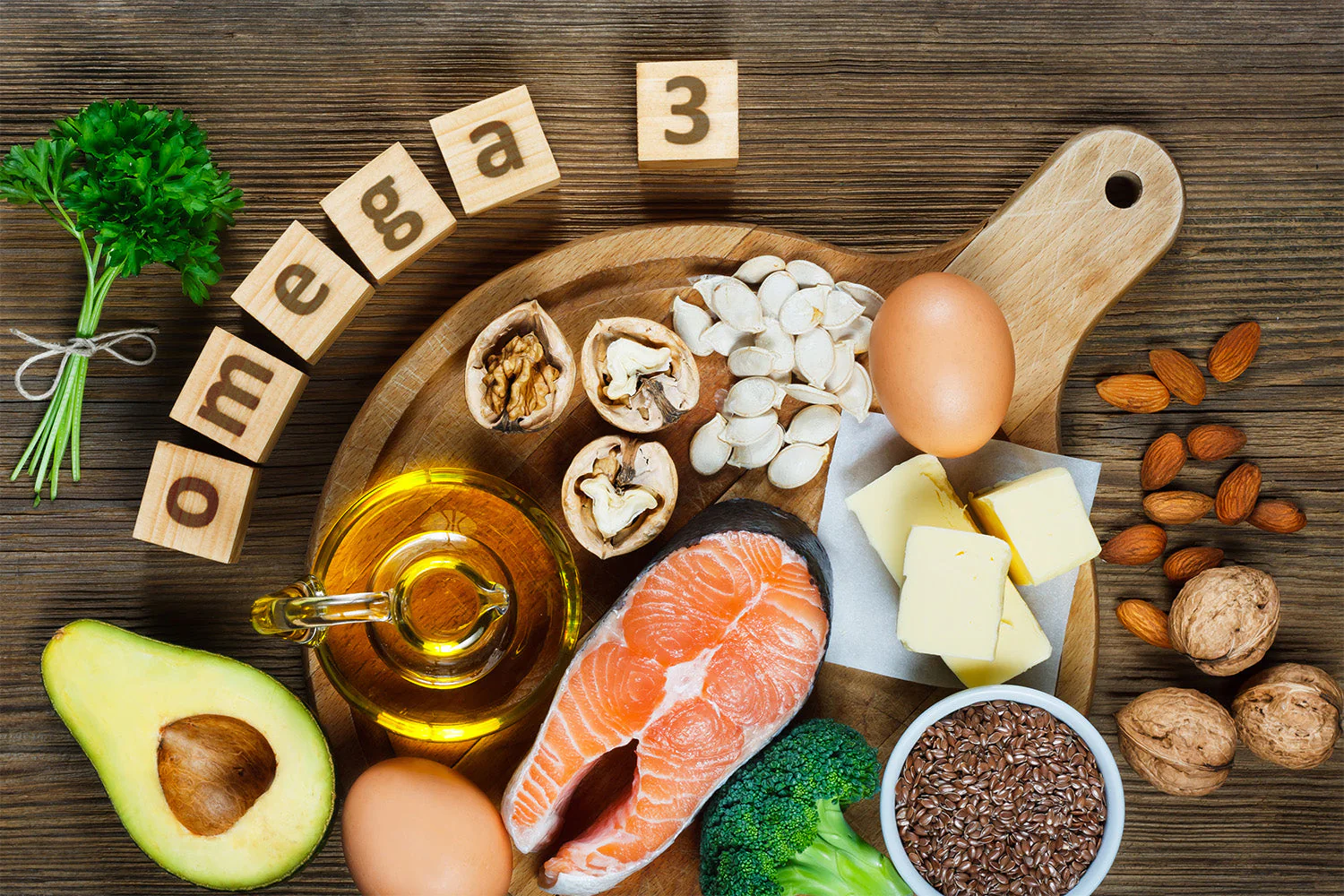
Omega-3 fatty acids are not a weight loss supplement in the direct sense — they will not reduce your calorie intake or accelerate fat burning on their own. But they affect several biological mechanisms that directly influence weight loss quality, appetite regulation, and the cardiovascular health that makes sustained activity possible. For most UK adults, omega-3 intake is below recommended levels, making supplementation a meaningful addition to a weight loss approach.
How omega-3s affect weight loss
Leptin sensitivity
Leptin is the primary fullness hormone — it signals to the brain that fat stores are adequate and appetite should reduce. Obesity is associated with leptin resistance, where the brain stops responding normally to leptin signals despite high circulating levels. Research shows that DHA and EPA improve leptin sensitivity, helping restore the body’s natural fullness signalling — particularly relevant for people whose leptin signalling has been blunted by long-term excess weight.
Reducing inflammation
Chronic low-grade inflammation — common in obesity, sedentary lifestyles, and high-sugar diets — directly impairs insulin signalling and fat metabolism. Omega-3s are among the most potent anti-inflammatory nutritional interventions available. A 2021 meta-analysis found that omega-3 supplementation significantly reduced inflammatory markers (CRP, IL-6, TNF-alpha) — biomarkers directly associated with metabolic dysfunction and fat storage.
Body composition during deficit
Research in the Journal of the International Society of Sports Nutrition found that omega-3 supplementation significantly reduced the muscle protein breakdown that occurs during calorie restriction. People supplementing with omega-3s lost more fat and preserved more muscle on the same calorie deficit compared to placebo. For anyone trying to lose weight while maintaining metabolic rate, this is a meaningful benefit.
Cardiovascular support for exercise
DHA and EPA reduce triglycerides, improve endothelial function, and reduce resting heart rate — all of which support the cardiovascular capacity needed for regular exercise. For people at higher cardiovascular risk who are beginning exercise programmes, the protective effect of omega-3s is clinically relevant.
How much do you need?
| Purpose | Recommended daily dose (EPA + DHA combined) | Food equivalent |
|---|---|---|
| General health maintenance | 250–500mg EPA+DHA | 1–2 portions oily fish per week |
| Weight loss support / inflammation | 1,000–2,000mg EPA+DHA | 4–5 portions oily fish per week (not practical) |
| Cardiovascular risk reduction | 1,000–4,000mg EPA+DHA | Supplementation usually required |
🌿 Lily & Loaf Daily Balance Omega 3-6-9 — complete essential fatty acid support
Daily Balance provides a balanced blend of omega-3 (EPA and DHA from fish oil), omega-6, and omega-9 fatty acids — the three essential fatty acid families the body needs for hormonal health, inflammation management, cardiovascular function, and brain health. Included in the Daily Essentials Bundle alongside protein and probiotic support for a comprehensive daily routine.
Related: Best Low Impact Exercise for Weight Loss UK | High Protein Meals for Weight Loss UK
Discover more from Healthy Weight Loss GLP1
Subscribe to get the latest posts sent to your email.