
Rest days are an important part of any sustainable exercise routine — but they create a nutrition question that many people get wrong. Should you eat less? Should you cut carbohydrates? Should you maintain exactly the same intake? The answer depends on your goal, your training volume, and how your body responds to recovery.
How calorie burn changes on rest days
| Activity type | Approx extra burn vs sedentary rest day | Rest day adjustment needed |
|---|---|---|
| 30 min walk | ~150–250 kcal | Reduce by ~100–150 kcal |
| 45 min resistance training | ~250–400 kcal | Reduce by ~150–200 kcal |
| 60 min cycling or swimming | ~400–600 kcal | Reduce by ~200–300 kcal |
| 10,000+ step day | ~350–600 kcal | Reduce by ~150–250 kcal |
Protein on rest days — keep it the same
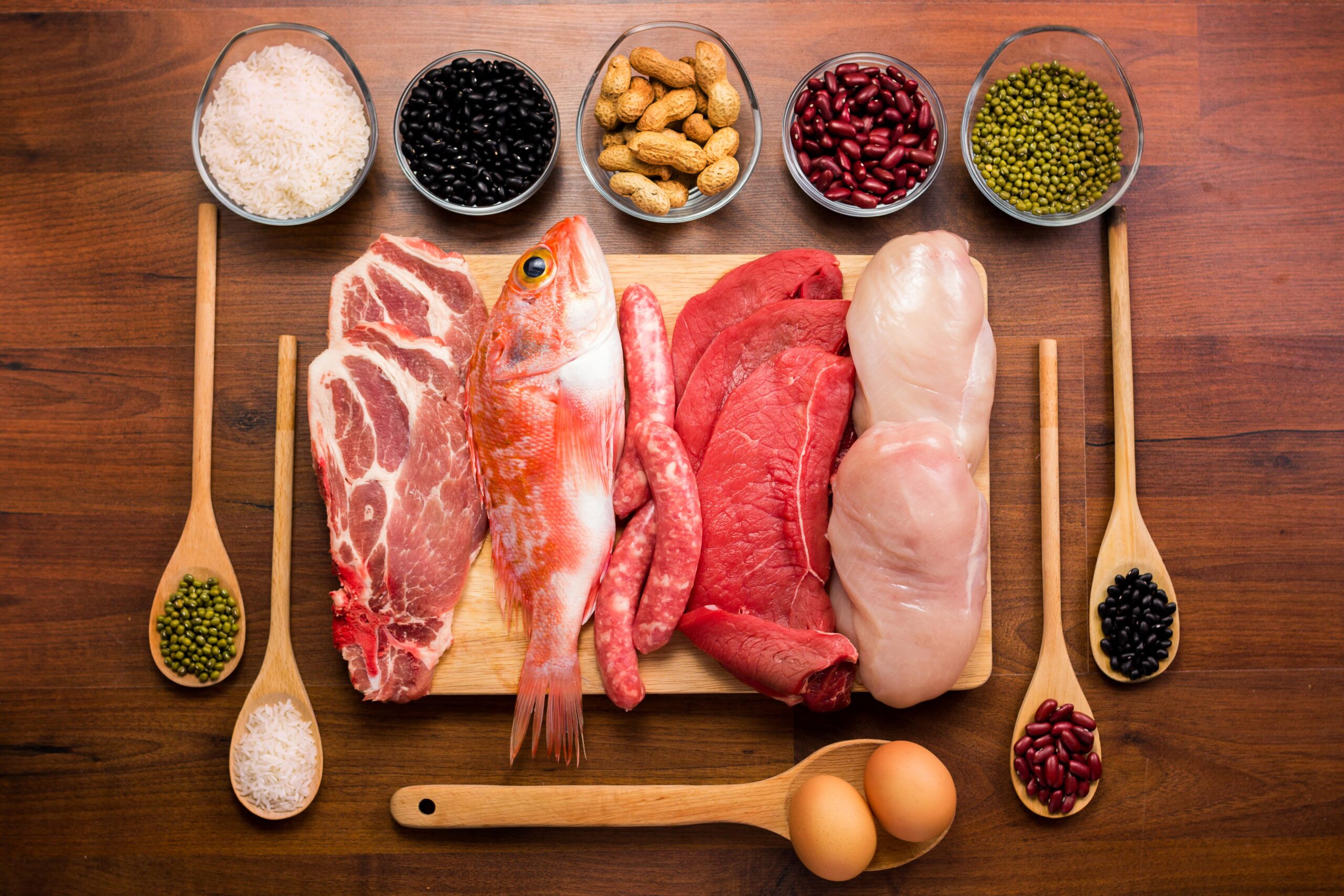
Muscle protein synthesis — the process of repairing and building muscle after exercise — peaks 24–36 hours after a workout, squarely within the rest day period. Cutting protein on rest days undermines the recovery process that exercise was designed to produce. Maintain your full protein target on every rest day — this is when your body most needs the amino acids.
Carbohydrates on rest days
Many diet approaches recommend cutting carbohydrates on rest days. For people who train at high intensity, this is reasonable — glycogen replenishment need is lower when not training. For most recreational exercisers targeting weight loss, the difference is small and the restriction is unnecessary. A modest 50–100g reduction in carbohydrates on rest days (one fewer portion of rice or oats) is a sensible adjustment without being excessively restrictive.
Rest day eating in practice
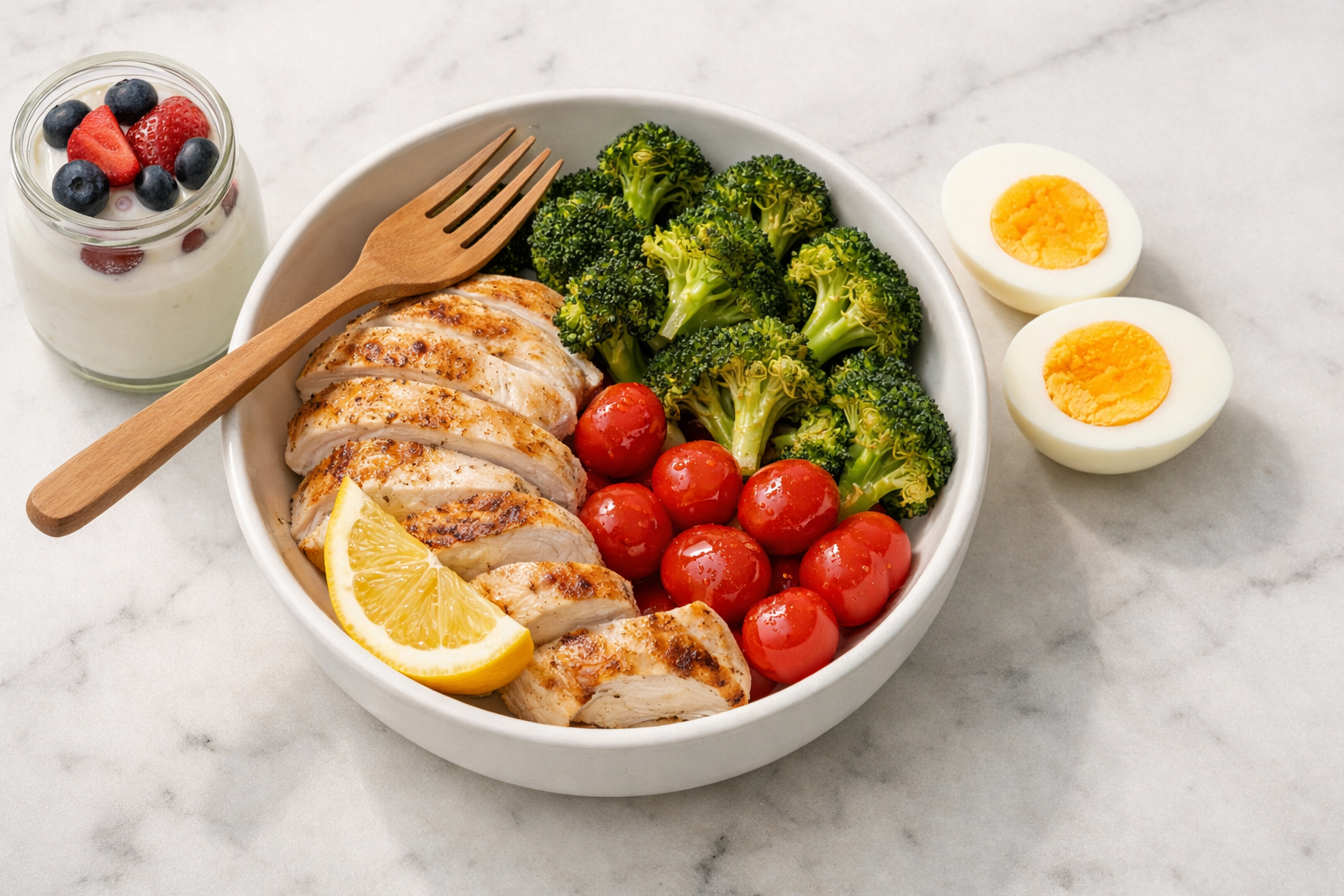
The simplest rest day approach: eat your normal high-protein meals, have slightly smaller portions of carbohydrates, and use any saved calories from the smaller training appetite naturally (most people are less hungry on rest days — this is the body’s natural adjustment). Do not make it complicated with separate meal plans.
🌿 Lily & Loaf Daily Fuel — keep protein high on rest days
If reduced appetite on rest days makes it harder to hit protein targets through food, Daily Fuel provides 21g of protein in a quick, low-calorie shake that fits comfortably within reduced rest day calorie intake. Maintaining protein on rest days is the most important nutritional action for protecting the muscle gains made during training.
Related: High Protein Meals for Weight Loss UK | Best Low Impact Exercise UK
Discover more from Healthy Weight Loss GLP1
Subscribe to get the latest posts sent to your email.