
Coffee is the UK’s most consumed hot drink and a morning ritual for millions. If you are on Mounjaro or another GLP-1 medication, you will understandably want to know whether your morning cup is compatible with treatment — and whether caffeine affects how the medication works.
Does coffee interfere with Mounjaro?
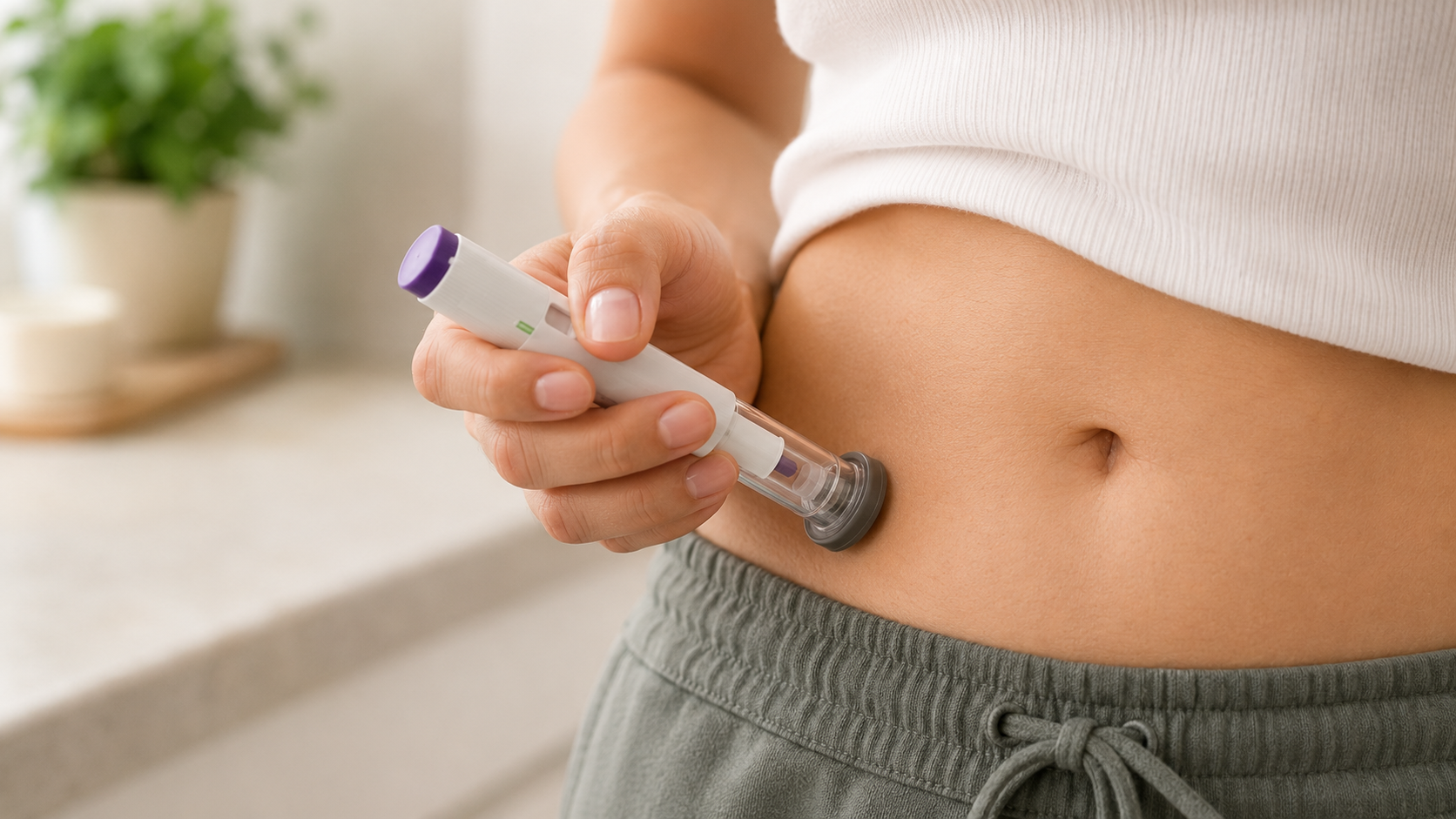
There is no known pharmacokinetic interaction between tirzepatide and caffeine. Mounjaro is administered subcutaneously (under the skin), not orally — it does not pass through the digestive system in a way that caffeine would affect. Your morning coffee does not reduce the medication’s effectiveness.
Practical issues for Mounjaro users
Coffee and nausea
Black coffee on an empty stomach stimulates gastric acid production. On Mounjaro — where the stomach empties more slowly and nausea is already a common side effect — drinking coffee without food can significantly worsen nausea. The fix is simple: eat something (even a few bites of a protein-rich food) before your morning coffee, particularly in the 24–48 hours after a weekly injection.
Dehydration
Caffeine is a mild diuretic. Combined with reduced fluid intake from GLP-1 appetite suppression, regular coffee consumption can contribute to dehydration. The practical rule: drink a glass of water before or after each cup of coffee to offset the diuretic effect.
Sleep and weight loss
Poor sleep directly impairs weight loss by elevating hunger hormones. Caffeine consumed after 2pm delays sleep onset and reduces deep sleep quality even when it does not prevent you falling asleep. For Mounjaro users already navigating medication-related sleep changes, avoiding afternoon and evening caffeine supports better sleep and therefore better weight loss outcomes.
Appetite suppression amplification
Some Mounjaro users report that coffee further suppresses their already-reduced appetite, making it harder to hit protein and calorie targets. If coffee is reducing your willingness to eat to a degree that affects nutrition, switching to decaf or reducing morning coffee helps.
Coffee and weight loss on Mounjaro — practical rules
- 1–2 cups per day is generally fine for most users
- Never drink coffee on a completely empty stomach — have a few bites of something first
- Drink one glass of water alongside each cup of coffee
- Avoid caffeine after 2pm
- On injection day and the day after, consider switching to decaf if nausea is significant
- Black coffee or with a small amount of milk is better than large lattes (which add 150–250 calories)
🌿 Lily & Loaf Electrolytes — offset the dehydrating effect of caffeine
If you are a regular coffee drinker on Mounjaro, adding one daily electrolyte serving to your routine helps counteract the combined dehydrating effects of caffeine and GLP-1 appetite suppression on fluid and electrolyte intake.
Related: What to Drink on Mounjaro UK | What to Eat When You Have No Appetite on GLP-1
Discover more from Healthy Weight Loss GLP1
Subscribe to get the latest posts sent to your email.