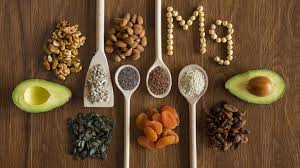


Electrolyte supplements have become mainstream — but most of the market is dominated by sugary sports drinks designed for elite athletes. Lily & Loaf’s Electrolyte Drink takes a different approach: a zero-sugar, lemon-flavoured formula designed specifically for people who need electrolyte support without additional calories. That positions it directly for weight loss, GLP-1 medication users, and anyone whose food intake and fluid balance has shifted significantly.

What is the Lily & Loaf Electrolyte Drink?
The Lily & Loaf Electrolyte Drink is a powder supplement that mixes into water to provide the main electrolytes lost through reduced food intake, exercise, and medication-related changes in appetite and hydration. Unlike commercial sports drinks (Lucozade Sport, Powerade, Gatorade), which deliver 30–40g of sugar and 150–200 calories per bottle, this formula provides electrolytes with zero added sugar and negligible calories.
What is in it — full ingredient breakdown
| Ingredient | Role | Why it matters |
|---|---|---|
| Sodium | Fluid balance, nerve and muscle function | Most depleted electrolyte on reduced-sodium diets; headache and dizziness when low |
| Potassium | Muscle contraction, heart rhythm, fluid balance | Reduced intake when eating less fruit and vegetables; muscle cramps and fatigue when low |
| Magnesium | 300+ enzymatic reactions, sleep, muscle relaxation | Widely deficient in UK adults; depleted faster under dietary restriction |
| Vitamin B1 (Thiamine) | Energy metabolism from carbohydrates | Supports normal energy yield from reduced calorie intake |
| Vitamin B6 | Protein metabolism, neurotransmitter production | Serotonin and dopamine synthesis; relevant for mood during weight loss |
| Vitamin B12 | Red blood cell formation, nervous system, energy | Commonly low on reduced food intake; fatigue, brain fog when deficient |
| Zinc | Immune function, protein synthesis, wound healing | Important for hair health, immune function during calorie deficit |
| Vitamin C | Immune function, antioxidant, collagen synthesis | Antioxidant protection during the oxidative stress of rapid weight change |
Who actually needs an electrolyte supplement?
The honest answer is: not everyone. People with a well-balanced diet, adequate hydration, and normal food intake get most electrolytes from food. But several specific situations create genuine electrolyte depletion that supplementation corrects:
| Situation | Electrolyte risk | L&L Electrolytes helpful? |
|---|---|---|
| GLP-1 medication (Mounjaro, Wegovy, Ozempic) | High — reduced food and fluid intake simultaneously | ✅ Strongly yes |
| Active calorie restriction (under 1,400 kcal/day) | Moderate-high — sodium and potassium from whole foods drop | ✅ Yes |
| Regular exercise (3+ sessions/week) | Moderate — sweat losses increase requirement | ✅ Yes, particularly on exercise days |
| Hot weather or physical job | Moderate — sweat depletes sodium significantly | ✅ Yes |
| Post-illness recovery (vomiting/diarrhoea) | High — acute depletion | ✅ Useful alongside medical guidance |
| Balanced diet, normal activity, no medication | Low | ⚠️ May be unnecessary |
Symptoms that suggest you need electrolytes
- Headaches that persist despite adequate water intake — often sodium
- Muscle cramps, especially in legs or feet at night — magnesium and potassium
- Fatigue and brain fog that feels disproportionate to sleep quality — multiple electrolytes and B vitamins
- Dizziness when standing up quickly — sodium (orthostatic hypotension)
- Heart palpitations (always check with GP if persistent) — potassium and magnesium
How to use it
Mix one scoop (teaspoon) into 300–500ml of still water. Sip over 15–30 minutes rather than drinking quickly — this allows better absorption and reduces the risk of any mild digestive response. Once daily is the standard dose; on very active days or dose-increase days on GLP-1 medication, a second serving is reasonable.
Avoid carbonated water — the fizz can worsen the nausea and bloating that some GLP-1 users experience.
Lily & Loaf Electrolytes vs alternatives
| Product | Electrolytes | B vitamins | Sugar | Price/serving | Best for |
|---|---|---|---|---|---|
| Lily & Loaf Electrolytes | Na + K + Mg | B1, B6, B12 + Zn + Vit C | Zero | ~£0.50 | Daily use on deficit/GLP-1 |
| LMNT | Na + K + Mg | None | Zero | ~£2.00 | High-sodium keto/carnivore |
| Precision Hydration 1500 | Na + K + Mg + Ca | None | Zero | ~£1.50 | Athletes, high-sweat activity |
| Lucozade Sport / Powerade | Na + K only | None | 30–40g per bottle | ~£1.20 per bottle | ❌ Not suitable for weight loss |
The main differentiator for Lily & Loaf is the addition of B vitamins, zinc, and vitamin C — making it closer to a daily nutritional support formula than a pure electrolyte replacement. For people on weight loss plans who are already micronutrient-compromised, this broader coverage is meaningful.
GLP-1 specific use
GLP-1 medication creates a specific dehydration and electrolyte risk that many users underestimate. The appetite suppression extends to thirst — many users drink significantly less than before. Combined with reduced food intake (and the electrolytes food provides), even a few consecutive low-intake days can produce headaches, fatigue, and dizziness that are often incorrectly attributed to the medication itself.
One electrolyte serving per day is a simple protective measure that costs pennies and addresses one of the most common complaint clusters in GLP-1 user communities.
Lily & Loaf — Recommended Pick
Electrolyte Drink
✅ 90-day money-back guarantee | ✅ Free UK delivery over £40 | ✅ UK-based brand
Zero sugar · Lemon flavour · B1, B6, B12 + Zinc + Vitamin C
Frequently Asked Questions
Is the Lily & Loaf Electrolyte Drink zero sugar?
Yes — it contains no added sugar. It is suitable for people on weight loss plans, ketogenic diets, or anyone avoiding sugar in their supplement routine.
How many servings per tub?
Each tub typically provides 30 servings (one per day for a month). Always check the current packaging for exact serving count.
Can I take electrolytes every day?
Yes — daily use is appropriate for people on calorie restriction, GLP-1 medication, or with regular exercise routines. For people with kidney conditions, always check with your GP before daily electrolyte supplementation.
Is it better than LMNT or Precision Hydration?
For weight loss and GLP-1 use specifically, the L&L formula has an advantage because it includes B vitamins, zinc, and vitamin C alongside electrolytes — making it a broader daily support product rather than purely electrolyte replacement. LMNT uses significantly more sodium per serving, which suits athletes but may be excessive for daily general use.
Can I take it on injection day?
Yes — the day of and day after a GLP-1 injection, when nausea is often highest and food and fluid intake lowest, is exactly when electrolyte support is most helpful. Use still water, not sparkling, to avoid worsening nausea.
Does it interact with Mounjaro or other GLP-1 medications?
There is no known interaction between this electrolyte formula and tirzepatide or semaglutide. Always check with your prescribing clinician if you have specific concerns about your medication.
Can I mix it with anything other than water?
Still water is best. Some people mix it into diluted juice or herbal tea. Avoid carbonated drinks, which can worsen bloating and nausea, particularly for GLP-1 users.
Related: What to Drink on Mounjaro UK | Best Electrolyte Drinks for Weight Loss UK | Full product guide on Alan’s Hub
Discover more from Healthy Weight Loss GLP1
Subscribe to get the latest posts sent to your email.