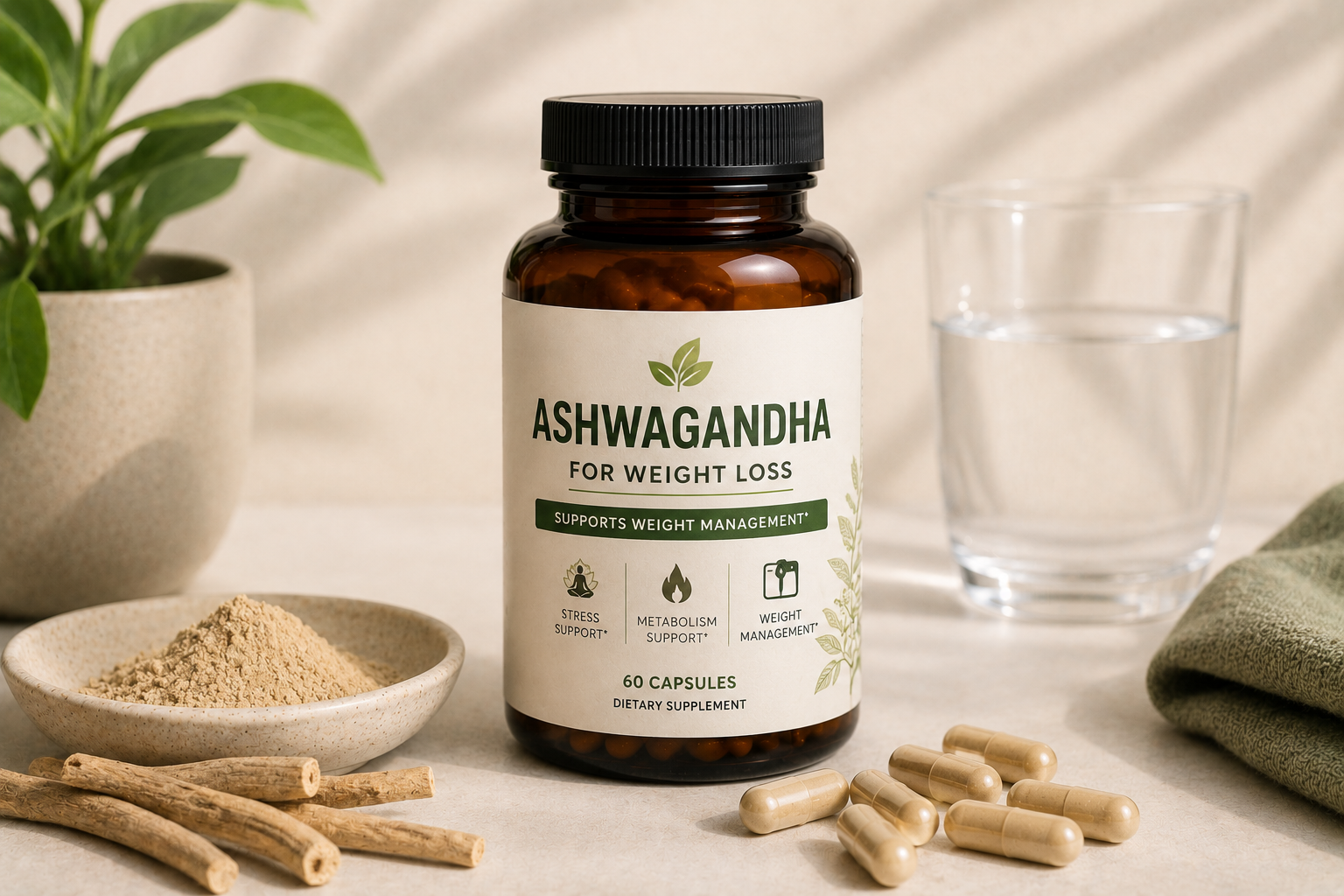


Daily multivitamins are the most widely taken supplement in the UK — and the most widely misunderstood. For people with genuinely complete diets, a multivitamin provides marginal additional benefit. For people on calorie-restricted diets, GLP-1 medication, post-surgery recovery, or with restricted food diversity, a well-formulated multivitamin fills real, measurable gaps. The difference lies in whether you actually need what the product contains.
What nutrients are most commonly deficient in UK adults?
| Nutrient | % UK adults deficient or insufficient | Consequences of deficiency |
|---|---|---|
| Vitamin D | ~20% year-round; ~40% in winter | Bone health, immune function, hair loss, fatigue |
| Vitamin B12 | ~6% overall; higher in over-60s and vegans | Fatigue, brain fog, nerve damage, anaemia |
| Iron | ~25% of women of childbearing age | Fatigue, shortness of breath, hair loss, impaired immunity |
| Folate | ~5% general; higher in pregnant women | Anaemia, neural tube defects in pregnancy |
| Magnesium | ~30–60% below recommended intake | Sleep, muscle cramps, blood pressure, energy |
| Iodine | ~40% of UK women deficient | Thyroid function, metabolism, cognitive function |
| Zinc | ~25% below adequate intake | Immune function, hair, skin, wound healing |
When a multivitamin makes sense — and when it doesn’t
A multivitamin is most valuable when:
- Food intake is reduced (calorie deficit, GLP-1 medication, post-surgery)
- Dietary variety is limited (restricted eating patterns, aversions, budget constraints)
- You are vegan or vegetarian (B12 and iron gaps are common)
- You are over 60 (B12 absorption declines, D3 synthesis declines, iron overload risk differs)
- You are pregnant or planning pregnancy (folate is essential)
A multivitamin is less necessary when:
- You eat a genuinely diverse, calorie-adequate diet with regular oily fish, red meat, dairy, nuts, seeds, and plenty of vegetables
- You are already taking a comprehensive supplement stack that covers the same nutrients
Multi-Vits vs alternatives
| Product | Vitamins | Minerals | Vegan | Price/month |
|---|---|---|---|---|
| Lily & Loaf Multi-Vits | Full spectrum | Full spectrum | Check label | ~£15–20 |
| Thorne Basic Nutrients 2/Day | Comprehensive | Comprehensive | ✅ | ~£35 |
| Garden of Life mykind Organics | Organic whole food | Yes | ✅ | ~£30 |
| Centrum Advance | Standard | Standard | ❌ | ~£8 |
Thorne Basic Nutrients is the gold standard for quality multivitamins — highly bioavailable forms, no unnecessary fillers, used by integrative medicine practitioners. The trade-off is price. The L&L Multi-Vits sits at a more accessible price point while still using quality forms. For people already in the L&L ecosystem, consolidating with the same brand makes routine management simpler.
Multi-Vits vs Daily Fuel — do you need both?
Daily Fuel already provides 15 vitamins and minerals at 100% NRV per serving. If you are taking Daily Fuel daily, you may not need a separate multivitamin — you are already getting comprehensive vitamin and mineral coverage through the protein shake. The main gap Daily Fuel does not fill is omega-3 (covered by Daily Balance) and probiotics (covered by Daily Flora). Check for overlap before adding Multi-Vits to a stack that already includes Daily Fuel.
Lily & Loaf — Recommended Pick
Multi-Vits & Minerals
✅ 90-day money-back guarantee | ✅ Free UK delivery over £40 | ✅ UK-based brand
Broad-spectrum daily formula · Check label for current formulation details
Frequently Asked Questions
Do I need a multivitamin if I eat a balanced diet?
For people with genuinely complete, varied diets, the additional benefit is small. For people on calorie restriction, GLP-1 medication, restricted eating patterns, or with known dietary gaps, a quality multivitamin fills real deficiencies with measurable health benefits.
Does Multi-Vits overlap with Daily Fuel?
Yes — Daily Fuel already provides 15 vitamins and minerals at 100% NRV. If you take Daily Fuel daily, check the specific nutrients in Multi-Vits before adding it to your routine to avoid significantly exceeding recommended daily intakes for specific nutrients.
When is the best time to take a multivitamin?
With a meal — most vitamins and minerals are better absorbed with food. Morning with breakfast is the most common approach and helps establish a consistent habit.
Is a multivitamin safe to take long-term?
Yes, at standard recommended doses. Avoid significantly exceeding the upper tolerable intake levels for fat-soluble vitamins (A, D, E, K) — these accumulate in the body unlike water-soluble vitamins. Always check for overlap with other supplements you take.
Are the minerals in chelated form?
Check the current product label for specific mineral forms. Chelated minerals (glycinate, malate, picolinate) are significantly more bioavailable than inorganic salts (oxide, sulfate). Quality supplements specify the form on the label.
Related: Lily & Loaf Daily Fuel Review | Daily Essentials Bundle Review
Discover more from Healthy Weight Loss GLP1
Subscribe to get the latest posts sent to your email.