

Constant hunger is the most common reason diets fail. Not lack of willpower, not weak character — biology. When you restrict calories, the body responds by increasing ghrelin (the hunger hormone), decreasing leptin (the fullness hormone), and increasing neurological food reward signals. Understanding the biology of hunger is the first step to managing it without white-knuckling through every meal.
The biology of hunger — why willpower is not the answer
Hunger is not a character flaw. It is a hormonal signal produced by your body in response to calorie restriction:
| Hormone | Function | What restriction does | Effect |
|---|---|---|---|
| Ghrelin (“hunger hormone”) | Signals hunger from the stomach to the brain | Levels increase with weight loss and calorie restriction | You feel genuinely, biologically hungrier |
| Leptin (“fullness hormone”) | Signals satiety from fat cells to the brain | Levels decrease as fat cells shrink | Fullness signals weaken; you stop feeling satisfied |
| PYY (peptide YY) | Post-meal satiety signal from gut | Reduced response with low-protein, low-fibre meals | Feel hungry again quickly after eating |
| CCK (cholecystokinin) | Satiety signal triggered by protein and fat in the gut | Strengthened by high-protein meals | Higher protein = longer satiety from same calories |
| Cortisol | Stress hormone | Elevated by sleep deprivation, chronic stress, and dieting | Directly increases ghrelin and food cravings |
The 8 most effective hunger-reduction strategies
1. High-protein breakfast (most important single change)
Research from the University of Missouri found that eating 35g of protein at breakfast reduced daily calorie intake by approximately 441 calories compared to a high-carbohydrate breakfast at the same calorie level. The mechanism is through CCK and PYY — protein triggers the strongest and longest-lasting satiety hormone release of any macronutrient.
Practical options:
- Greek yoghurt (200g) + oats (30g) — 28g protein
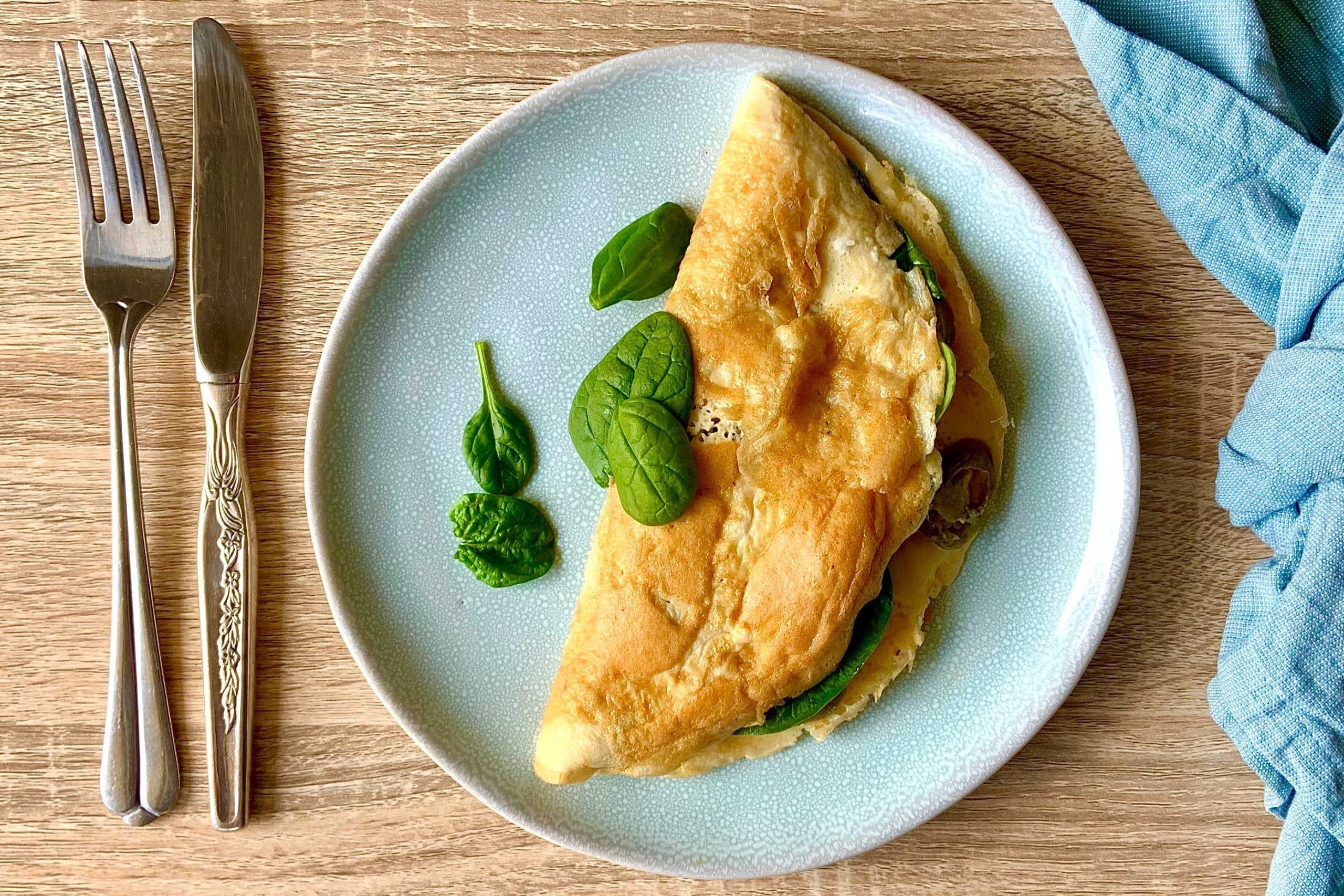
- 3 scrambled eggs + smoked salmon — 38g protein
- Protein shake (21g) + cottage cheese (100g) — 32g protein
- Overnight oats with protein powder — 35–40g protein
Lily & Loaf — Recommended
Daily Fuel Plant Protein Shake
✅ 90-day money-back guarantee | ✅ Free UK delivery over £40
21g protein · 5g fibre · 102 calories — high satiety breakfast
2. Fibre — the overlooked hunger fighter
Dietary fibre slows gastric emptying, expands in the gut to create physical fullness, and ferments in the colon to produce short-chain fatty acids that stimulate satiety hormones including GLP-1 (the natural version of the medication). People eating 30g of fibre per day report significantly lower hunger scores than those eating 15g — despite equal calorie intake.
Best high-fibre, low-calorie sources:
- Oats (10g fibre per 100g dry)
- Lentils (8g per 100g cooked)
- Chia seeds (34g per 100g — use 1 tbsp in yoghurt)
- Broccoli, cauliflower, courgette (2–3g per 100g, very low calories)
- Psyllium husk (70g fibre per 100g — 1 tsp in water = 7g fibre, almost zero calories)
3. Volume eating — filling the plate without filling the calorie budget
Low calorie density foods — those with a high water content or high fibre relative to their calories — allow you to eat more food volume for the same calories. The stomach physically fills, stretching receptors that signal satiety to the brain independently of calorie content.
| Food | Calories per 100g | Satiety per calorie |
|---|---|---|
| Cucumber | 15 kcal | ⭐⭐⭐⭐⭐ |
| Courgette | 17 kcal | ⭐⭐⭐⭐⭐ |
| Mixed salad leaves | 20 kcal | ⭐⭐⭐⭐⭐ |
| Broccoli | 34 kcal | ⭐⭐⭐⭐⭐ |
| Greek yoghurt (0%) | 57 kcal | ⭐⭐⭐⭐⭐ (protein + volume) |
| Cottage cheese | 98 kcal | ⭐⭐⭐⭐⭐ (protein + volume) |
| Chips / crisps | 500–550 kcal | ⭐ (low water, low fibre) |
4. Hydration — thirst disguised as hunger
Research shows that people frequently mistake mild thirst for hunger — particularly mid-morning and mid-afternoon. Drinking 300–500ml of water before each meal reduces calorie intake at that meal by approximately 75–100 calories in overweight adults. Drinking a glass of water when hunger strikes between meals reduces the hunger signal within 10–15 minutes if dehydration was the cause.
5. Sleep — the most underestimated hunger driver
A single night of short sleep (5–6 hours instead of 7–8) increases ghrelin by 28% and decreases leptin by 18% the following day. This translates to approximately 300–500 additional calories consumed on the day after a poor night’s sleep in research studies. Chronically poor sleep makes any diet almost impossible to sustain.
Lily & Loaf — Recommended
Triple Magnesium
✅ 90-day money-back guarantee | ✅ Free UK delivery over £40
Sleep quality → lower ghrelin → reduced hunger the following day
6. Meal timing and structure
Eating in a structured pattern — same meal times, same number of meals — reduces hunger variability by training the body’s hunger hormone release cycles. Skipping breakfast creates stronger hunger later in the day, typically producing higher total calorie intake despite fewer meals.
7. Managing stress and cortisol
Chronic stress elevates cortisol, which directly increases ghrelin and food cravings — particularly for high-fat, high-sugar foods. The cortisol-hunger link is a vicious cycle: hunger creates stress about eating, stress increases hunger. Addressing cortisol directly through sleep, magnesium, and in high-stress situations, ashwagandha, breaks this cycle.
8. Chewing slowly and eating mindfully
Satiety signals from the gut (PYY, CCK) take 15–20 minutes to reach the brain after eating begins. Eating faster than this means the fullness signal arrives after the meal is over, producing consistent overeating. Eating slowly — minimum 20 minutes per meal — gives satiety signals time to accumulate before the plate is empty.
Frequently Asked Questions
Why am I always hungry even when eating enough?
Several causes: insufficient protein (the most common — protein is the most satiating macronutrient); insufficient fibre (fibre slows digestion and triggers satiety hormones); poor sleep (raises ghrelin by 28%); chronic stress (cortisol increases hunger); eating too fast (satiety signals take 15–20 minutes to register). Address these systematically.
Does drinking water suppress hunger?
Yes — thirst is frequently mistaken for hunger, and drinking 300–500ml of water before meals reduces calorie intake at that meal by 75–100 calories in research. Drinking water when hunger strikes between meals reduces hunger within 10–15 minutes if dehydration was contributing.
What foods keep you full the longest?
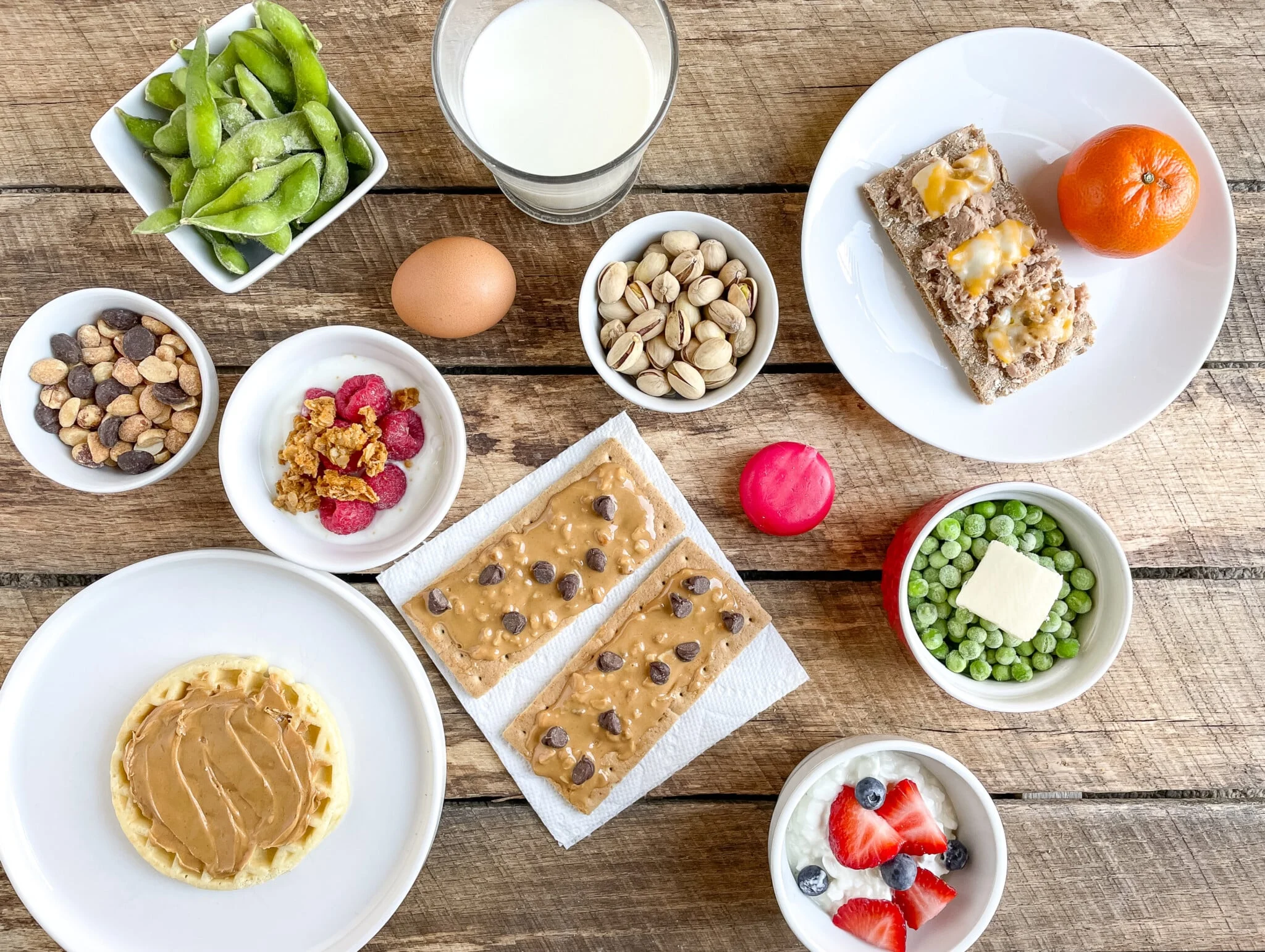
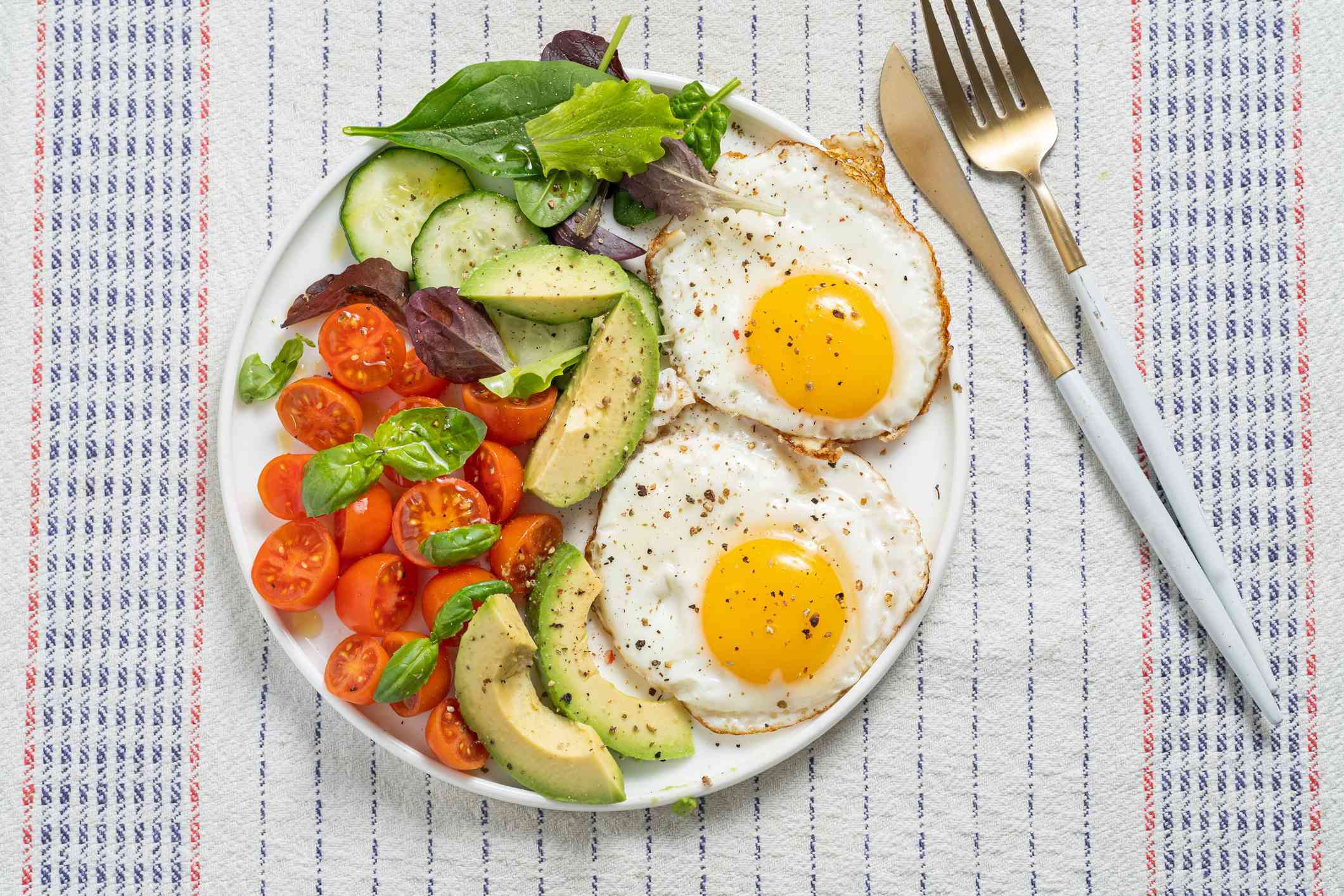
Protein-rich foods (chicken, fish, eggs, cottage cheese) combined with fibre (oats, lentils, vegetables) produce the longest-lasting satiety. Greek yoghurt, cottage cheese, and eggs are among the highest-satiety foods per calorie available in UK supermarkets.
Does Mounjaro stop hunger?
Mounjaro (tirzepatide) produces significant appetite suppression in most users — the appetite reduction is the primary mechanism of weight loss. The GLP-1 and GIP receptor activation reduces both physical hunger and the neurological reward response to food. Most users report dramatically reduced hunger, particularly at therapeutic dose levels.
📋 Download the free 14-day meal plan for high-satiety, high-protein meal ideas.
Related: How Much Protein Per Day UK | Why Do I Keep Failing at Diets?
Discover more from Healthy Weight Loss GLP1
Subscribe to get the latest posts sent to your email.