

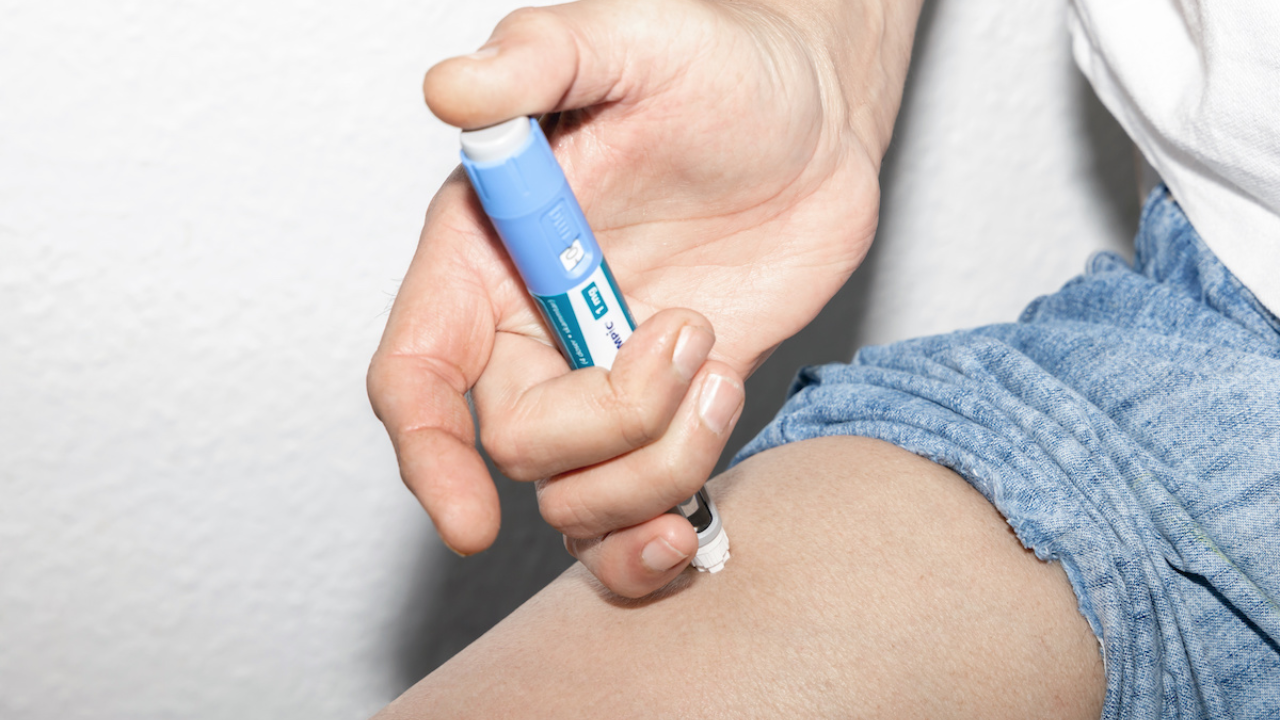
Stopping Mounjaro — whether by choice, due to cost, supply issues, or completion of a treatment plan — produces a predictable pattern of changes that most people are not fully prepared for. Understanding what happens physiologically and how to respond practically makes a significant difference to outcomes.
SURMOUNT-4 — what the trial data shows
| Timepoint | Average weight status vs baseline |
|---|---|
| Week 36 (stopping point) | -21.1% from baseline |
| Week 52 (16 weeks after stopping) | -17.4% from baseline (partial regain) |
| Week 88 (52 weeks after stopping) | -11.8% from baseline (two-thirds of loss returned) |
Why weight regain occurs after stopping
- Appetite returns to pre-medication levels — often feeling stronger than before treatment as the body reasserts its original setpoint
- Ghrelin (hunger hormone) levels increase back to baseline
- The neurological reward response to food recovers — food becomes more rewarding again
- Metabolic adaptations from the weight loss period (reduced TDEE) remain — so appetite returns stronger while metabolic rate stays lower
How to minimise weight regain after stopping
During medication — build habits that outlast the appetite suppression
- Use the low-appetite period to genuinely establish high-protein eating as a default, not a restriction
- Build daily walking or exercise into a routine that does not depend on the medication
- Address the environments that led to weight gain (food in the house, ordering habits, social eating patterns)
When stopping
- Discuss a structured tapering plan with your prescriber — abrupt stopping may produce a stronger rebound appetite than gradual tapering
- Increase protein intake further — protein is the primary tool for managing hunger without medication
- Continue or increase exercise — physical activity is the most reliable substitute for the appetite-suppressing effect
- Continue supplementation — electrolytes, protein, magnesium, and vitamin D remain relevant after stopping
Lily & Loaf — Recommended
Daily Fuel Plant Protein Shake
✅ 90-day money-back guarantee | ✅ Free UK delivery over £40
Protein as the primary hunger management tool after stopping medication
Frequently Asked Questions
Will I regain weight when I stop Mounjaro?
SURMOUNT-4 data shows most people regain approximately two-thirds of lost weight within a year of stopping. The extent depends on how much the dietary habits and lifestyle changed during treatment — people who use the medication period to genuinely establish better eating patterns maintain more of their loss.
How long does Mounjaro stay in your system?
Tirzepatide has a half-life of approximately 5 days. Full clearance takes approximately 4–5 weeks. Appetite suppression fades over 2–4 weeks after the last injection as tirzepatide is metabolised.
Can I take Mounjaro forever?
Currently, Mounjaro is approved for long-term use. Weight management is a chronic condition — the evidence supports ongoing treatment for people who benefit. The decision to continue is made with your prescriber based on your individual health circumstances.
Related: How to Lose Weight on Mounjaro UK | Mounjaro Plateau UK
Discover more from Healthy Weight Loss GLP1
Subscribe to get the latest posts sent to your email.