
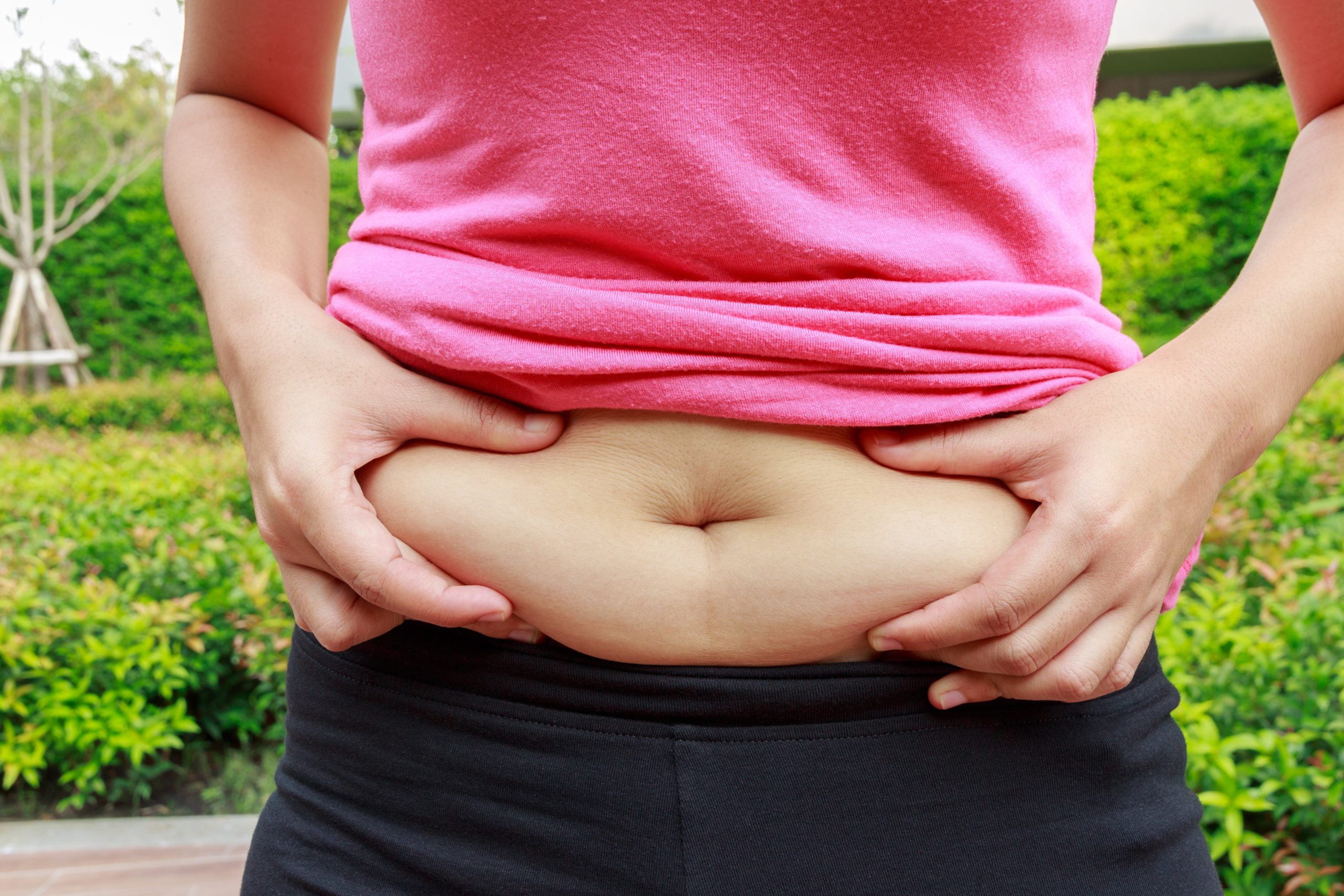
Belly fat is not a single thing. Subcutaneous fat sits under the skin and is visible — this is the fat you can pinch. Visceral fat wraps around internal organs and is largely invisible — but it is the metabolically dangerous type, directly linked to insulin resistance, cardiovascular disease, and type 2 diabetes. The strategies for reducing each overlap but are not identical.
Visceral vs subcutaneous fat
| Type | Location | Visibility | Health risk | Response to intervention |
|---|---|---|---|---|
| Subcutaneous | Under skin, above muscle | Visible, pinchable | Moderate | Slower to reduce; last to go |
| Visceral | Around organs in abdominal cavity | Not visible externally | High — directly linked to metabolic disease | Faster to reduce with aerobic exercise and calorie deficit |
| Intrahepatic (liver) | Inside liver | Only visible on imaging | Very high (NAFLD) | Highly responsive to calorie restriction |
What actually reduces belly fat
1. Calorie deficit (foundation)
Total body fat reduction is the only way to meaningfully reduce both subcutaneous and visceral belly fat. You cannot exercise away a calorie surplus. Target a 300–500 calorie daily deficit for sustainable fat loss of 0.5–1lb per week.
2. Aerobic exercise — specifically effective for visceral fat
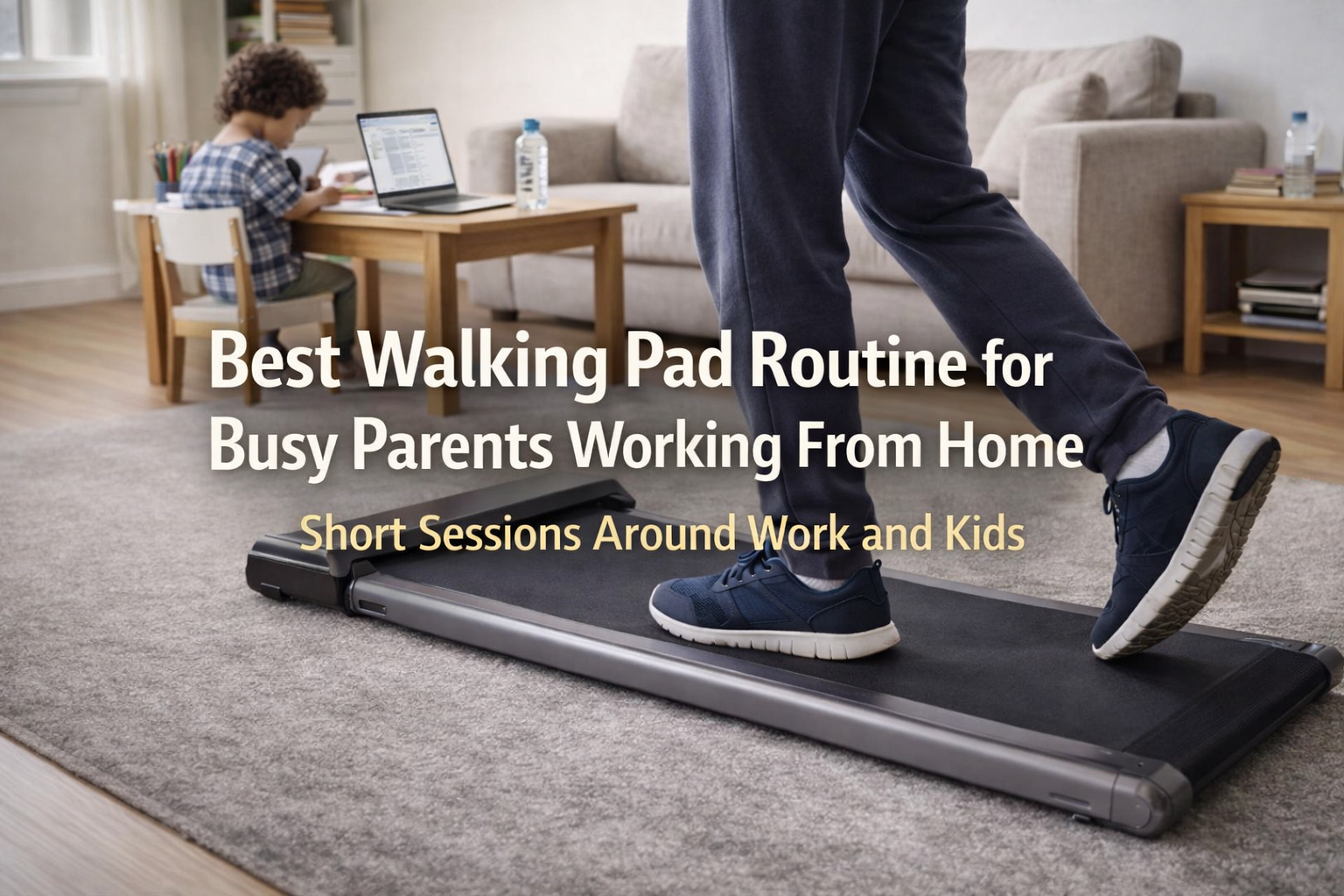
Research consistently shows that moderate-intensity sustained aerobic exercise (brisk walking, cycling, swimming at conversation pace) is more effective at reducing visceral fat than high-intensity exercise, resistance training, or diet alone at equivalent calorie expenditure. Walking 150+ minutes per week produces measurable visceral fat reduction even without calorie restriction.
3. Sleep — the overlooked visceral fat driver
Chronic short sleep (under 6 hours) directly increases visceral fat accumulation through elevated cortisol, increased ghrelin, and reduced leptin. Research shows sleep-restricted individuals accumulate visceral fat 2–3× faster than adequate sleepers in controlled calorie conditions. Magnesium supplementation addressing sleep quality is one of the most direct interventions for cortisol-driven abdominal fat.
Lily & Loaf — Recommended
Triple Magnesium
✅ 90-day money-back guarantee | ✅ Free UK delivery over £40
Sleep quality + cortisol reduction = direct visceral fat support
4. Stress management
Cortisol is the primary driver of visceral (abdominal) fat accumulation. It signals the body to store fat centrally — in and around the abdomen — as a response to stress. Chronic stress chronically elevates cortisol. All cortisol-reduction interventions (sleep, exercise, magnesium, ashwagandha) directly reduce the hormonal driver of belly fat accumulation.
5. GLP-1 medication — disproportionately effective for visceral fat
Clinical imaging studies show that Mounjaro and Wegovy produce disproportionately large reductions in visceral fat relative to total weight loss — far greater than diet alone at equivalent total weight loss. The GIP receptor component of tirzepatide specifically targets fat metabolism in adipose tissue. For people with significant visceral fat accumulation, GLP-1 medication is the most powerful intervention available.
Frequently Asked Questions
Why do I have belly fat even though I’m not overweight?
Visceral fat accumulation can occur independently of total body weight — particularly with poor sleep, chronic stress, sedentary lifestyle, and high alcohol intake. The ‘skinny fat’ or ‘normal weight obesity’ phenomenon involves metabolically unhealthy fat distribution despite a normal BMI.
How long does it take to lose belly fat?
Waist circumference typically starts reducing within 4–6 weeks of consistent calorie deficit and aerobic activity. Visible subcutaneous belly fat reduction is usually noticeable at 8–12 weeks. The rate depends on starting levels, deficit size, exercise volume, and sleep quality.
Does exercise reduce belly fat?
Aerobic exercise specifically reduces visceral fat — research shows this independently of total weight loss. Walking 150+ minutes per week produces measurable visceral fat reduction. Resistance training builds muscle that improves body composition but is less specifically effective for visceral fat than aerobic exercise.
Related: Does Walking Reduce Belly Fat UK? | Breaking a Weight Loss Plateau UK
Discover more from Healthy Weight Loss GLP1
Subscribe to get the latest posts sent to your email.