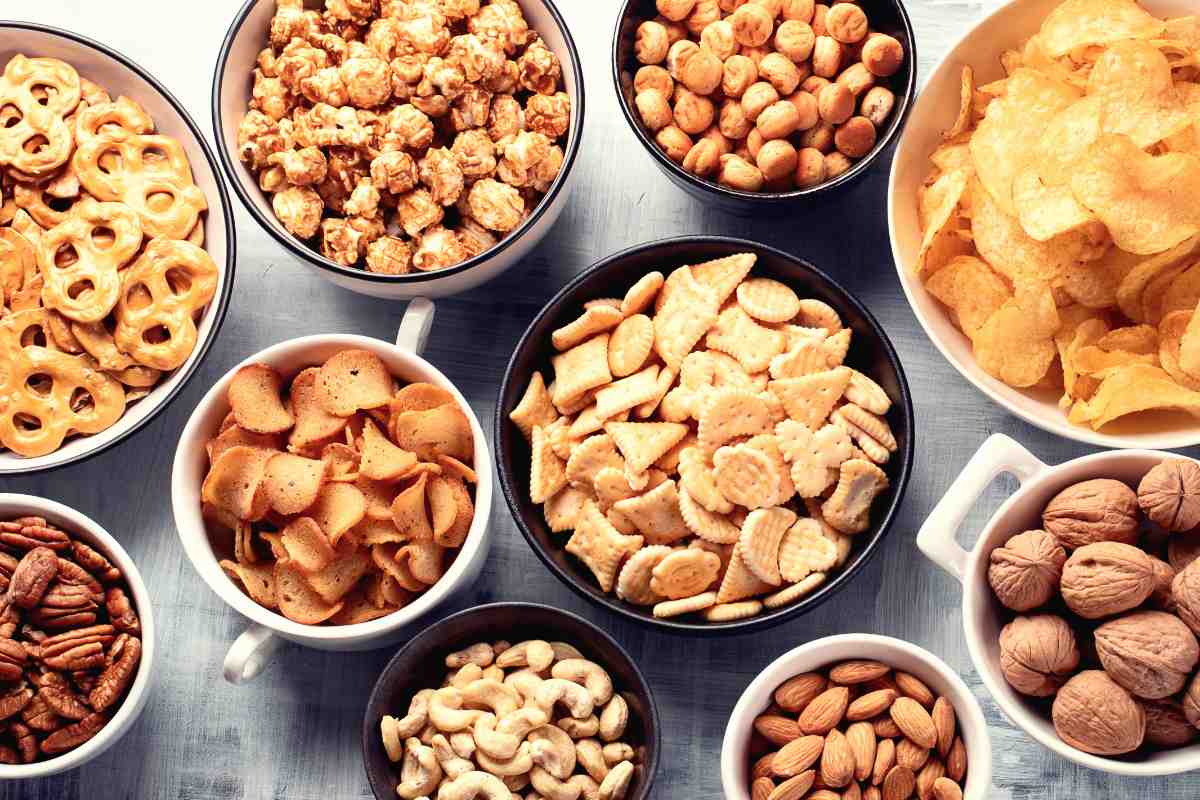


Emotional eating — eating in response to stress, boredom, loneliness, or low mood rather than physical hunger — is not a willpower failure. It is a neurologically real response where the brain seeks dopamine relief from food because food is the fastest, most available source of that relief it knows. Understanding this changes how you approach fixing it.
Hunger vs emotional hunger — how to tell the difference
| Physical hunger | Emotional hunger |
|---|---|
| Builds gradually | Comes on suddenly |
| Any food will satisfy it | Craves specific comfort foods |
| Eating stops when full | Eating continues past fullness |
| No guilt after eating | Often followed by guilt or shame |
| Felt in the stomach | Felt as restlessness, anxiety, or mental urgency |
Common triggers
- Stress: elevated cortisol directly increases appetite for high-fat, high-sugar foods — it is biological, not weakness
- Boredom: food provides stimulation and a break from monotony — particularly common in desk jobs and WFH environments
- Fatigue: low energy triggers cravings for fast-energy foods as the brain seeks a quick fuel source
- Reward seeking: food as a treat after a difficult day is deeply ingrained for most UK adults
What actually helps
The 10-minute pause
Between the urge to eat and the action, insert a 10-minute pause. Make a cup of tea. Take a short walk. Most emotional eating urges peak and fade within 10–15 minutes. If the urge remains after 10 minutes, it is more likely to be genuine hunger.
Non-food dopamine sources
Emotional eating seeks dopamine. So does exercise, social connection, music, and novelty. Build a short list of non-food alternatives you can reach for in the moment — a specific playlist, a 10-minute walk, a brief call to someone. The association builds over time.
Address the underlying stress
Emotional eating is a symptom of an unmanaged emotional state. Managing the state directly — through exercise, better sleep, reduced workload pressure — removes the trigger rather than just the response.
Environment design
Not having trigger foods in the house is more effective than having them and choosing not to eat them. Evening willpower is reliably lower than morning willpower. Remove the requirement to use it.
🌿 Lily & Loaf Triple Magnesium — reducing the stress that drives emotional eating
Magnesium is involved in regulation of the cortisol stress response — low magnesium amplifies the cortisol reaction to stress, which in turn drives appetite and cravings. Triple Magnesium taken in the evening supports sleep quality, nervous system regulation, and overnight cortisol management.
Sponsored — Hello Fresh
One trigger for evening emotional eating is arriving home tired with no dinner plan. Hello Fresh removes that trigger — meal kit ready to cook, decision already made. Use code ALAN50 for 50% off your first box.
For the full motivation and mindset guide: How to Stay Motivated to Lose Weight UK.
Discover more from Healthy Weight Loss GLP1
Subscribe to get the latest posts sent to your email.