

Not everyone enjoys walking. If you are significantly overweight, have joint pain, or have spent years being largely sedentary, walking can feel slow, uncomfortable, and boring. The good news: you do not need to enjoy walking to benefit from it. You just need to make it easy enough to do consistently.
Why walking feels unenjoyable — and how to fix each reason
It feels slow and pointless
Fix: track steps, not time. Watching a step counter climb toward a daily target creates a goal-completion reward that “I walked for 20 minutes” does not. A basic step counter or fitness tracker transforms walking from a vague habit into a daily challenge.
It is boring
The single most effective fix is temptation bundling — only listening to something you genuinely enjoy (a podcast, audiobook, specific playlist) while walking. Not at any other time. The walk becomes the gateway to the thing you want.
Weather and motivation are inconsistent
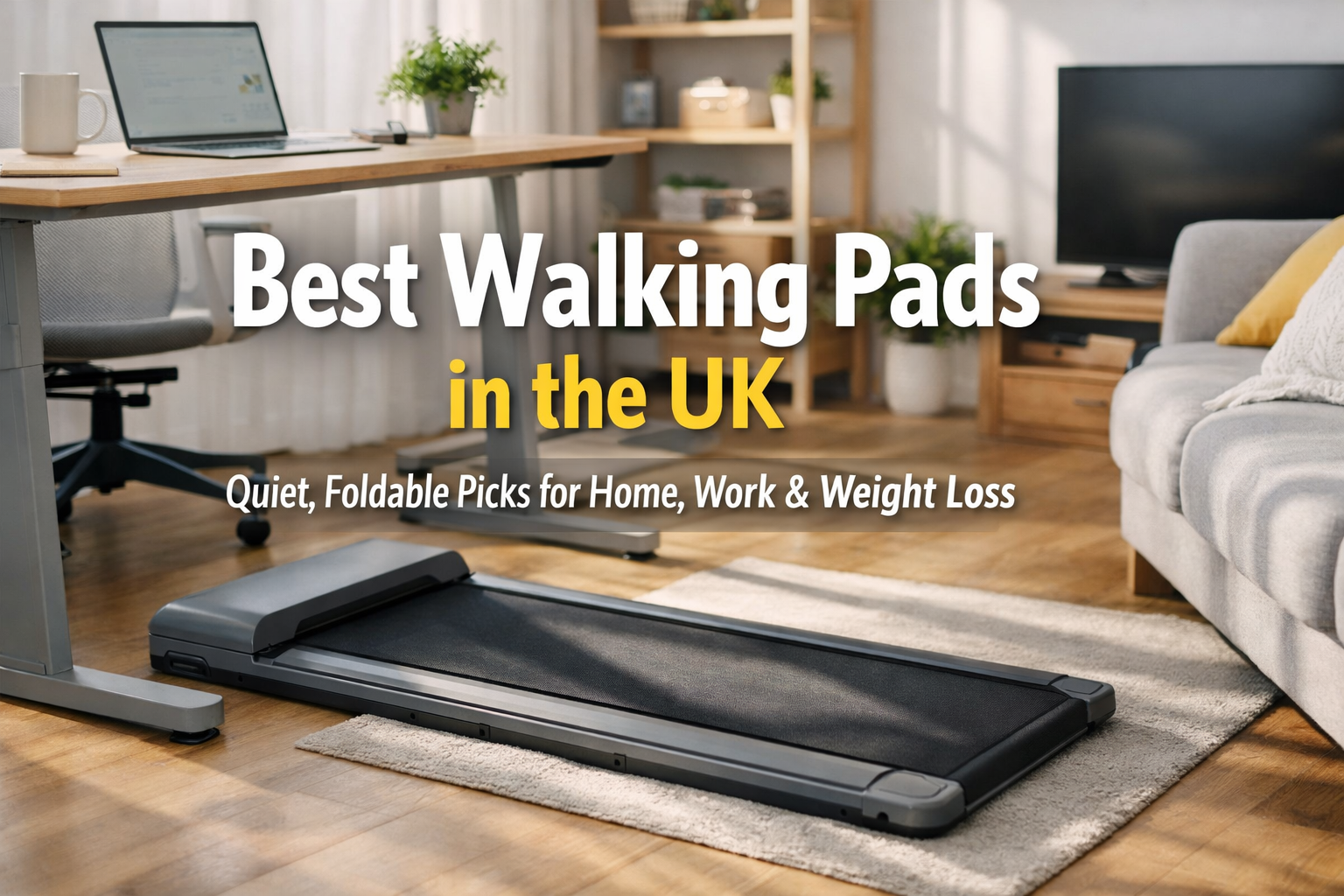
A walking pad at home removes weather, daylight, and motivation from the equation simultaneously. Walking on a pad at 1.5 km/h while watching television does not require motivation or good weather — it just requires not sitting still.
It feels uncomfortable at higher weight
Start with a walking pad at very low speed indoors — the flat surface, controlled temperature, and private environment removes most of the discomfort that makes outdoor walking at higher weights difficult.
Practical strategies that work
- Link walking to something you already do: walk while on phone calls, walk to the shop for small purchases — steps that feel purposeful feel less like exercise
- Use a destination: “I am walking to the coffee shop” produces more motivation than “I am going for a walk”
- Walk with someone: the social element makes walking pass faster and adds accountability
- Make it as short as needed: 10 minutes counts. 5 minutes counts. Consistency beats volume every time
- Track progress visibly: seeing step counts increase week-on-week creates genuine satisfaction even if the activity itself is not enjoyable
For a full step-building plan: How Many Steps a Day to Lose Weight UK.
🌿 Lily & Loaf Electrolytes — reduce the fatigue that makes walking feel hard
Heavy legs and mid-walk fatigue are often electrolyte-related rather than fitness-related. The Lily & Loaf Electrolyte formula supports fluid balance, energy metabolism, and normal muscle function.
Also see: Best Low Impact Exercise for Weight Loss UK — alternatives to walking if it really is not working for you.
Discover more from Healthy Weight Loss GLP1
Subscribe to get the latest posts sent to your email.