

Constipation is one of the most common side effects of GLP-1 medication — reported in approximately 12–17% of Mounjaro users in clinical trials. It is caused by the medication’s mechanism of action rather than incidental factors, and it can range from mildly inconvenient to significantly uncomfortable. Understanding why it happens is the first step to managing it effectively.
Why GLP-1 causes constipation
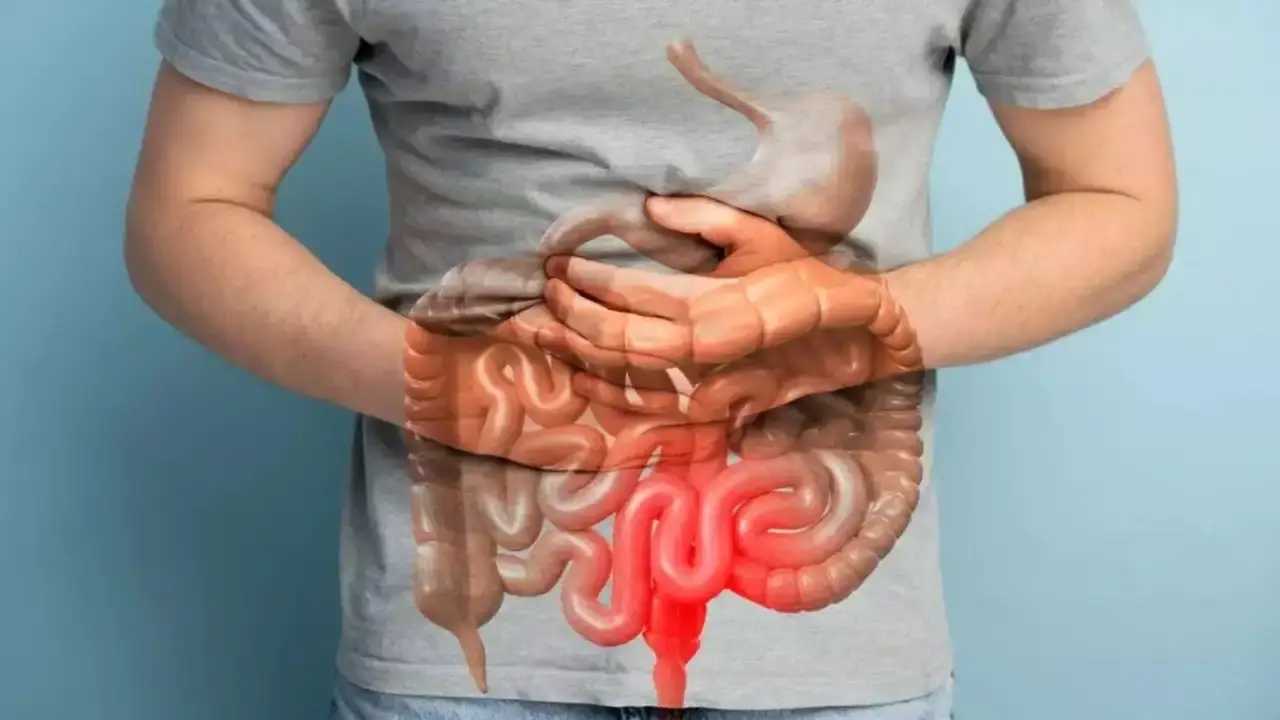
GLP-1 receptors are present throughout the gastrointestinal tract. Activation of these receptors slows peristalsis — the rhythmic muscular contractions that move food and waste through the digestive system. This effect is intentional in terms of the medication’s appetite-suppressing mechanism (slower gastric emptying means food stays in the stomach longer, increasing fullness), but it extends through the intestines in ways that cause constipation.
The problem is compounded by reduced food intake (less digestive bulk), reduced fluid intake (suppressed thirst), and reduced physical activity in the early weeks of treatment.
What makes GLP-1 constipation worse
- Low fluid intake — particularly common as thirst is suppressed alongside appetite
- Low fibre intake — when eating less food, fibre intake often falls sharply
- Sedentary behaviour — physical activity directly stimulates gut motility; less movement means slower gut
- Low-fibre food choices — proteins and fats produce less digestive bulk than fibre-rich foods
- Ignoring the urge to go — gut signals become weaker when constipation persists; acting promptly matters
What actually helps
| Intervention | How it helps | Practical approach |
|---|---|---|
| Increased water intake | Softens stool; supports gut motility | Aim for 2–2.5 litres per day; drink before meals |
| Dietary fibre increase | Adds bulk; stimulates peristalsis | Add vegetables, legumes, oats to every meal; aim for 25–30g fibre per day |
| Psyllium husk | Soluble fibre that absorbs water and forms gel; gentle bulk laxative | 1 tsp in large glass of water before bed; always take with full glass of water |
| Walking | Physical activity directly stimulates gut motility | Even a 15-min post-meal walk accelerates transit |
| Warm drinks | Warm water stimulates gut contractions | Warm water with lemon in the morning; herbal tea throughout the day |
| Osmotic laxatives (macrogol — e.g. Movicol) | Draws water into bowel to soften stool; safe for regular use | Available over the counter; discuss with pharmacist if needed |
What to avoid
- Stimulant laxatives (senna, bisacodyl) for regular use: these force gut contractions and can cause dependency; appropriate for occasional severe constipation but not as a routine fix
- Reducing fibre suddenly: abrupt fibre reduction worsens constipation rapidly; build fibre gradually if increasing from a low baseline
- Ignoring constipation for more than 5–7 days: persistent constipation on GLP-1 warrants a conversation with your prescriber — dose adjustment or additional medication may be appropriate
🌿 Lily & Loaf Daily Flora — gut health support for GLP-1 users
A healthy gut microbiome supports normal intestinal motility and reduces the severity of GLP-1-related digestive side effects. Daily Flora provides 15 probiotic strains plus B vitamins — supporting gut health, regularity, and the digestive transition that occurs when food intake changes significantly on GLP-1 medication.
Browse the Lily & Loaf Daily Essentials Bundle (includes Daily Flora) →
Related: Constipation After Gallbladder Removal UK | What to Drink on Mounjaro UK
Discover more from Healthy Weight Loss GLP1
Subscribe to get the latest posts sent to your email.