
Protein is the most important dietary variable for the quality of weight loss. It is not about losing weight faster — it is about losing the right weight (fat, not muscle), staying fuller for longer, and emerging from a weight loss period with a functioning metabolism rather than a depleted one. Getting the amount right matters enormously.
The difference between the NHS recommendation and the weight loss requirement
| Guideline | Protein recommendation | Appropriate for | Adequate for weight loss? |
|---|---|---|---|
| NHS Reference Nutrient Intake (RNI) | 0.75g per kg body weight | Sedentary adults maintaining weight | ❌ Insufficient for muscle preservation during deficit |
| EFSA protein recommendations | 0.83g per kg body weight | General adult population | ❌ Insufficient for active weight loss |
| Sports science consensus (weight loss) | 1.6–2.2g per kg target body weight | People in calorie deficit trying to preserve muscle | ✅ Yes — this is the evidence-based target |
| GLP-1 medication protocols | 1.6g per kg target body weight minimum | People on appetite-suppressing medication | ✅ Yes — higher end if significant deficit |
How much protein you need — by target weight
| Target weight | Minimum protein/day (1.6g/kg) | Optimal protein/day (2.0g/kg) |
|---|---|---|
| 8 stone (51kg) | 82g | 102g |
| 10 stone (63kg) | 101g | 126g |
| 11 stone (70kg) | 112g | 140g |
| 12 stone (76kg) | 122g | 152g |
| 13 stone (83kg) | 133g | 166g |
| 14 stone (89kg) | 142g | 178g |
| 15 stone (95kg) | 152g | 190g |
| 16 stone (102kg) | 163g | 204g |
Use target body weight, not current weight — calculating off current weight when significantly overweight overstates the requirement and can become excessive.
How to actually hit your protein target
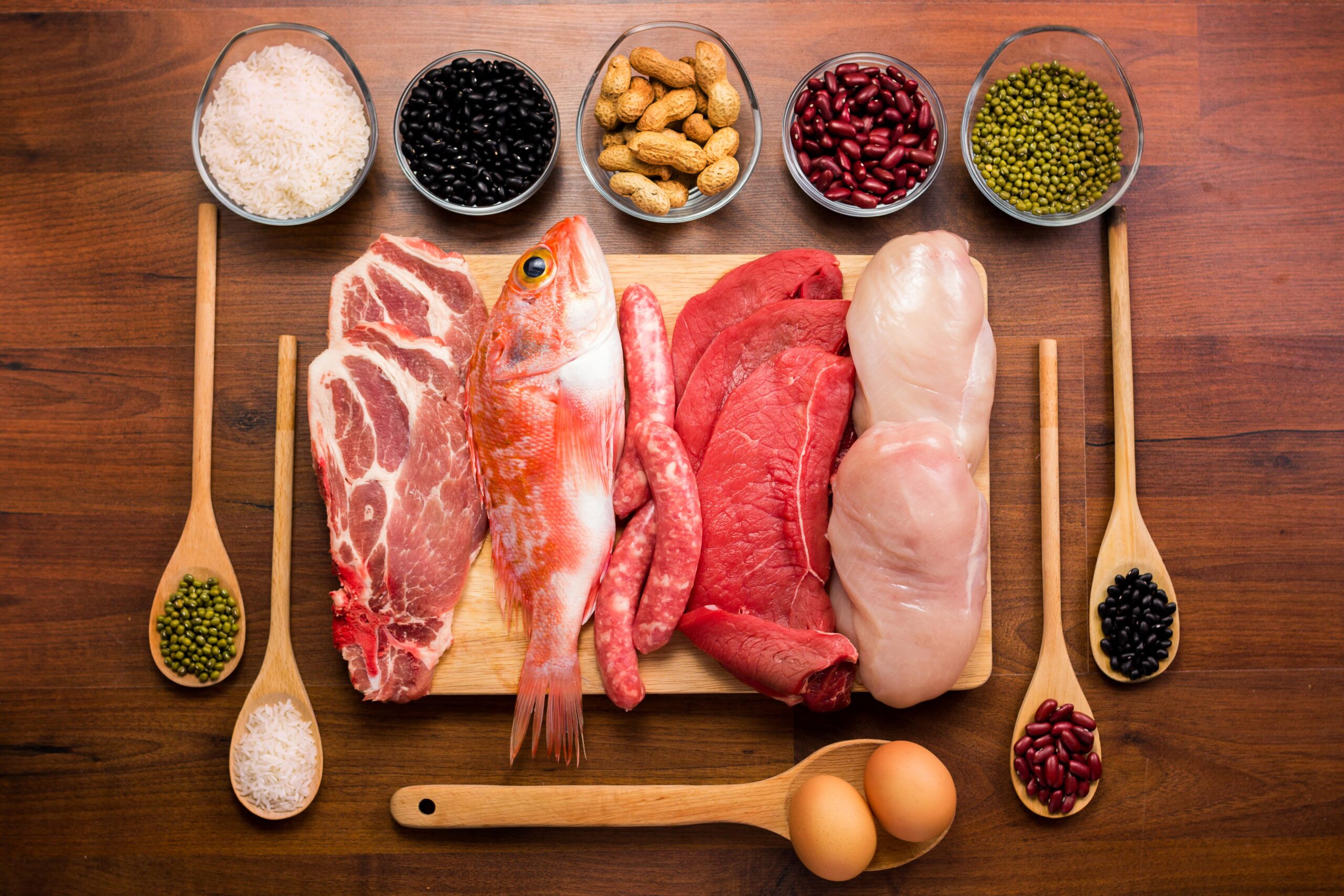
The challenge is not knowing the target — it is hitting it daily without expensive or time-consuming food preparation. The most reliable approach:
| Protein source | Protein | Prep time | Cost |
|---|---|---|---|
| Protein shake (Daily Fuel or equivalent) | 21–25g | 2 minutes | ~£2.00–£2.50 |
| Tin of tuna in water | 26g | 0 minutes | ~£1.00 |
| Chicken breast (150g, cooked) | 46g | 25 min or pre-batch | ~£1.20 |
| Greek yoghurt (200g, 0%) | 20g | 0 minutes | ~£0.80 |
| Cottage cheese (150g) | 17g | 0 minutes | ~£0.70 |
| 2 eggs scrambled | 12g | 5 minutes | ~£0.50 |
| Salmon fillet (130g) | 33g | 15 minutes | ~£2.50 |
Sample day hitting 130g protein
- Breakfast: Protein shake (21g) + Greek yoghurt (10g) = 31g
- Lunch: 2 tins tuna + mixed salad (52g) = 52g
- Dinner: Salmon fillet (33g) = 33g
- Snack: Cottage cheese (17g) = 17g
- Total: 133g ✅
- Approximate cost: £5.70
Lily & Loaf — Recommended
Daily Fuel Plant Protein Shake
✅ 90-day money-back guarantee | ✅ Free UK delivery over £40
21g complete protein · 15 vitamins and minerals · 102 calories
Why protein matters beyond the numbers
The thermic effect — protein burns more calories
The body burns approximately 25–30% of protein calories through the metabolic process of digestion — compared to 6–8% for carbohydrates and 2–3% for fat. Eating 150g of protein per day produces approximately 100–130 additional calories of daily burn through thermic effect alone — equivalent to a 15–20 minute walk.
Satiety — protein controls hunger most effectively
Research consistently shows that protein is the most satiating macronutrient. High-protein breakfasts reduce total calorie intake across the day by 200–450 calories on average compared to high-carbohydrate breakfasts at the same calorie level. The mechanisms are multiple: protein stimulates PYY and GLP-1 (satiety hormones), suppresses ghrelin (hunger hormone), and digests slowly.
Muscle preservation — why the quality of weight loss matters
Research comparing two groups on identical calorie deficits — one at 0.8g/kg protein, one at 2.0g/kg — shows the high-protein group loses approximately 30% more fat and retains significantly more muscle over the same period. The scale shows similar total weight loss, but the composition is dramatically different. The high-protein group emerges with a faster metabolism, more muscle definition, and better long-term weight maintenance.
Common protein mistakes during weight loss
| Mistake | Why it matters | Fix |
|---|---|---|
| Eating the same total protein but in one or two large meals | Muscle protein synthesis peaks at ~40g per meal then plateaus — more per meal does not mean more absorption | Spread protein across 3–4 meals/snacks of 30–45g each |
| Not tracking protein separately from calories | Meeting calorie targets but not protein targets is common — feels like success but produces muscle loss | Track protein daily until the pattern is automatic |
| Relying on plant protein alone without ensuring completeness | Most plant proteins are incomplete — missing one or more essential amino acids | Combine protein sources (rice + beans, pea + rice protein shakes) or use complete plant proteins |
| Reducing protein on rest days | Muscle protein synthesis peaks 24–48 hours after exercise — on rest days, not training days | Maintain protein targets on every day |
Frequently Asked Questions
How much protein do I need per day to lose weight?
Target 1.6–2.0g per kg of your target body weight. For a 12-stone (76kg) target, that is 120–150g per day. This is significantly higher than the NHS general recommendation of 0.75g/kg, which is set for weight maintenance in sedentary adults — not for active weight loss with muscle preservation.
Is it possible to eat too much protein?
At typical supplementation levels (up to 2.5g/kg body weight), excess protein is simply excreted or converted to glucose. The main practical concerns are: cost, and ensuring adequate hydration (more protein = more urea to excrete = higher hydration requirement). People with pre-existing kidney disease should consult their GP before high-protein diets.
Does eating protein help burn more fat?
Yes, through multiple mechanisms: the thermic effect of protein (25-30% of protein calories burned through digestion), the satiety effect (consuming fewer overall calories), and muscle preservation (maintaining resting metabolic rate). Protein does not directly burn fat but creates the conditions where more fat is burned.
When is the best time to eat protein?
Spread across the day in doses of 30–40g per meal for optimal muscle protein synthesis. High-protein breakfast is particularly important — it controls hunger for the entire day. Post-exercise protein within 2 hours maximises muscle repair and adaptation.
Do protein shakes count toward my daily protein target?
Yes — protein from shakes is nutritionally equivalent to protein from food for muscle protein synthesis purposes. The advantage of shakes is speed and convenience on the days when eating adequate protein through food alone is not realistic.
Related: High Protein Meals UK | Best Protein Shakes for Weight Loss UK
Discover more from Healthy Weight Loss GLP1
Subscribe to get the latest posts sent to your email.