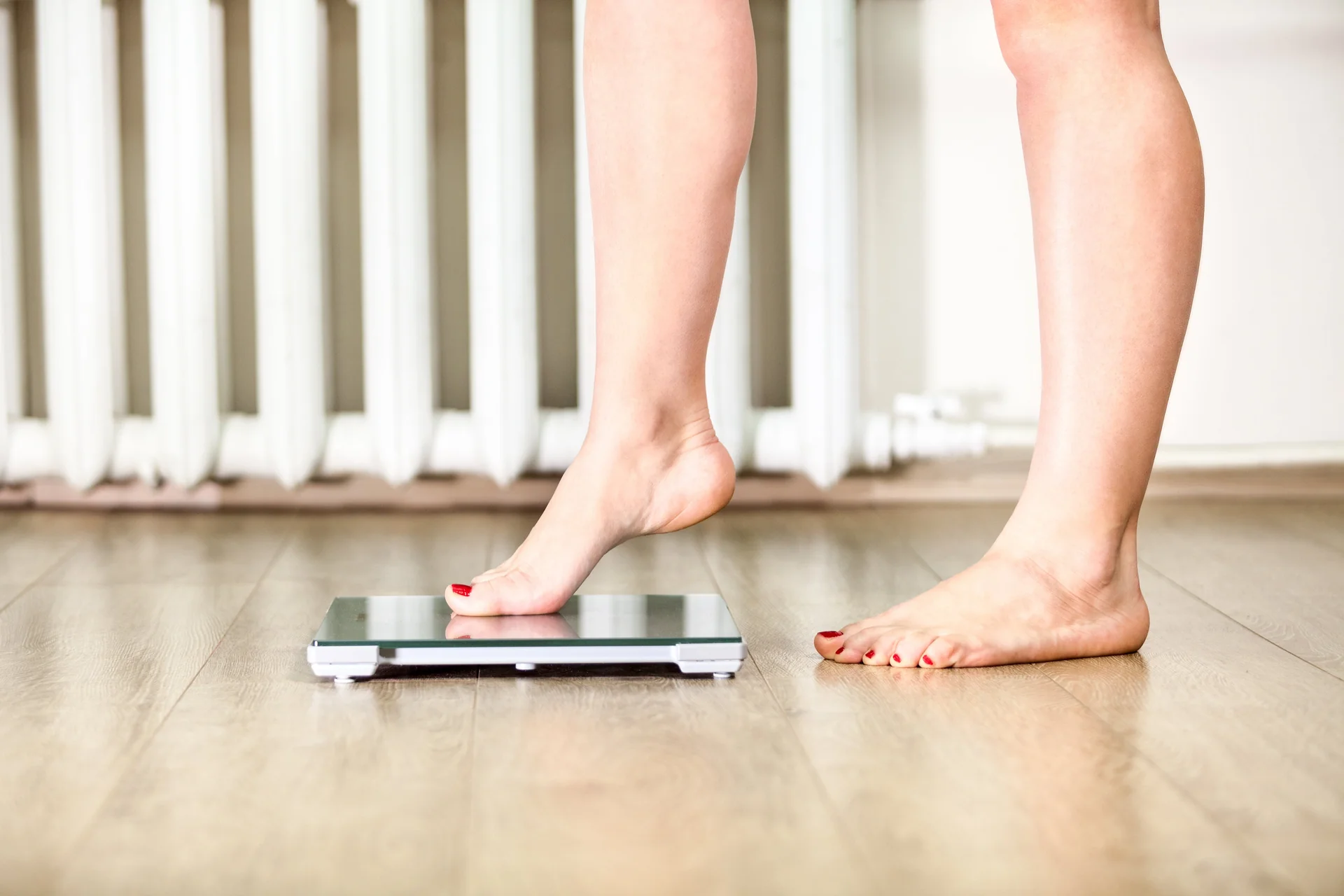

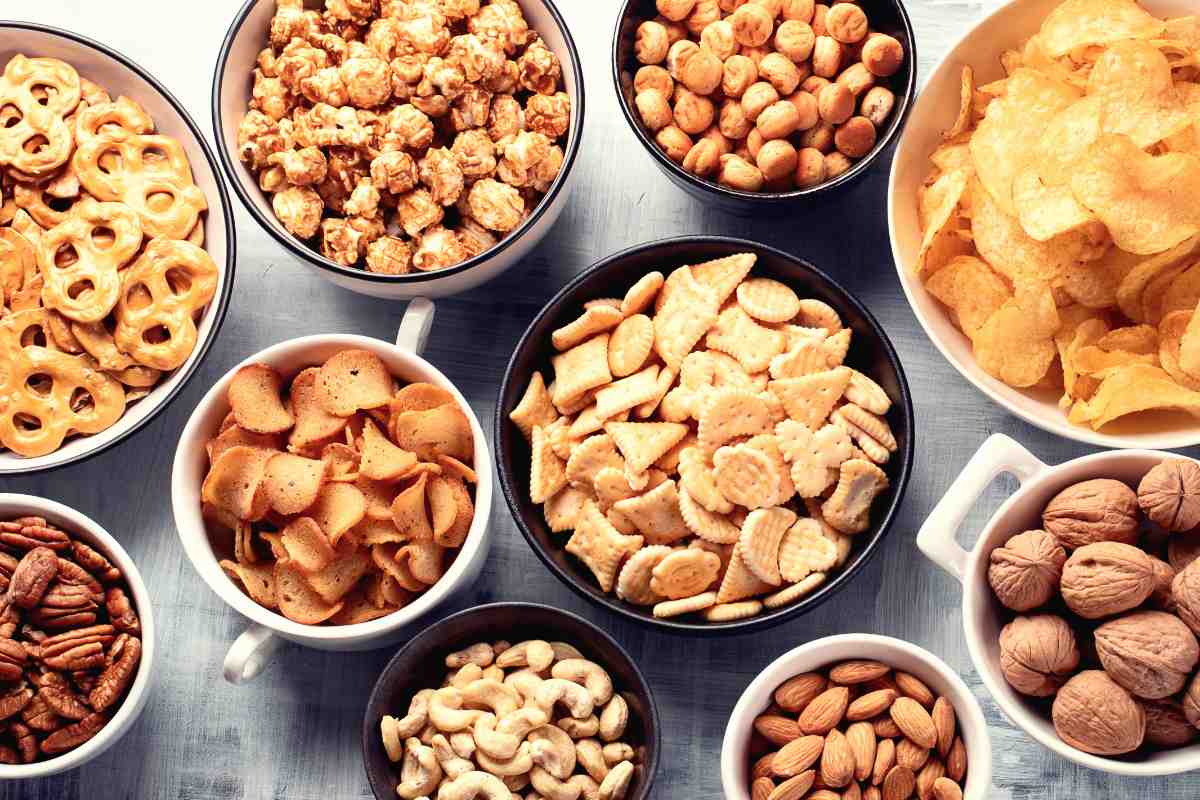
Evening snacking is the most common reason weight loss stalls despite doing well during the day. A solid deficit Monday to Friday evening can be entirely cancelled by two hours of post-dinner snacking. Understanding why it happens is the most important step to stopping it.
Why evening snacking happens
Insufficient protein and calories during the day
The most common underlying cause. People who eat too little at breakfast and lunch arrive at the evening genuinely hungry — the body is seeking calories it did not get earlier. The fix is eating more protein at breakfast and lunch, not less food in the evening. A 30g protein breakfast reduces evening hunger far more reliably than willpower at 9pm.
Willpower depletion
By 9pm, after a full day of decisions, willpower is at its lowest. Food choices you make easily in the morning require significantly more cognitive effort in the evening. The fix is environment design: not having snack foods easily accessible so willpower does not need to resist them.
Habit and association
Television time and sofa relaxation have become associated with snacking for most UK adults. The habit loop fires automatically. The fix is a competing habit using the same cue: herbal tea, a small pre-planned snack at a specific time, or a 10-minute post-dinner walk.
Practical fixes that work
- Eat more protein at breakfast and lunch: hitting 30–40g at each main meal significantly reduces evening hunger before willpower runs out
- Set a kitchen closing time: after 8pm (or your chosen time), the kitchen is closed — a specific rule removes the daily decision
- Plan one evening snack deliberately: a planned 150-calorie protein snack at a specific time is better than unplanned 400–600 calorie grazing. Cottage cheese, Greek yoghurt, or a protein shake works
- Replace the habit cue: make a herbal tea when you would usually snack. Brush your teeth earlier — the association makes eating feel less appealing
- Remove trigger foods: not buying biscuits and crisps means the decision is not made in the moment
🌿 Lily & Loaf Double Magnesium — reduce evening cravings through better sleep
Poor sleep increases ghrelin (hunger hormone) and decreases leptin (fullness hormone) — creating a biological drive to eat more the following evening. Double Magnesium taken in the evening supports sleep quality through magnesium glycinate, directly reducing the hormonal drivers of night-time snacking.
Sponsored — Hello Fresh
A satisfying, protein-rich dinner is one of the most reliable defences against evening snacking. Hello Fresh recipes are calorie-counted and portion-controlled. Use code ALAN50 for 50% off your first box.
📋 Download the free 14-day meal plan — includes evening snack options that satisfy without derailing your deficit.
Related: Why Am I Not Losing Weight Even Though I’m Eating Less?
Discover more from Healthy Weight Loss GLP1
Subscribe to get the latest posts sent to your email.