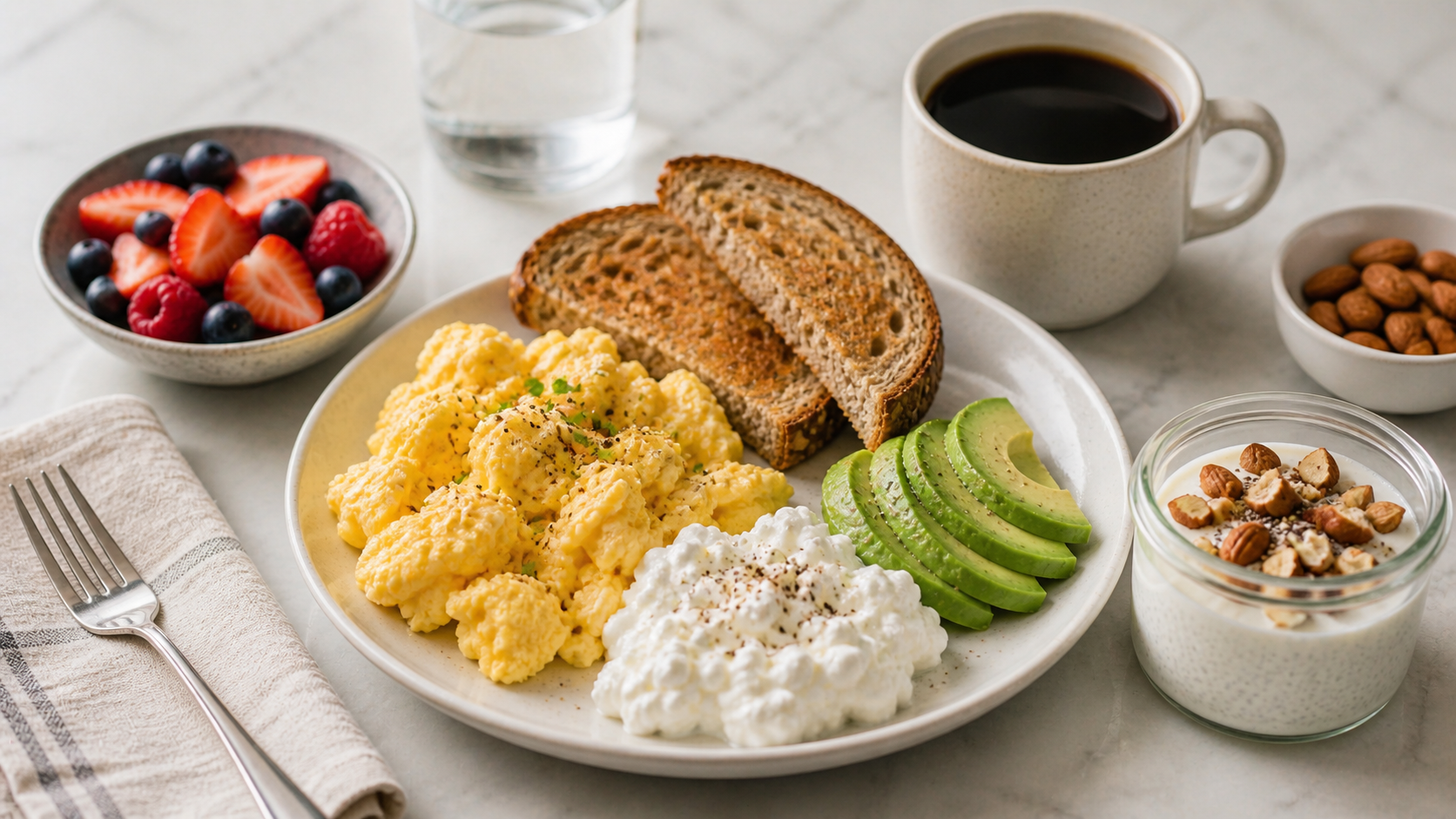

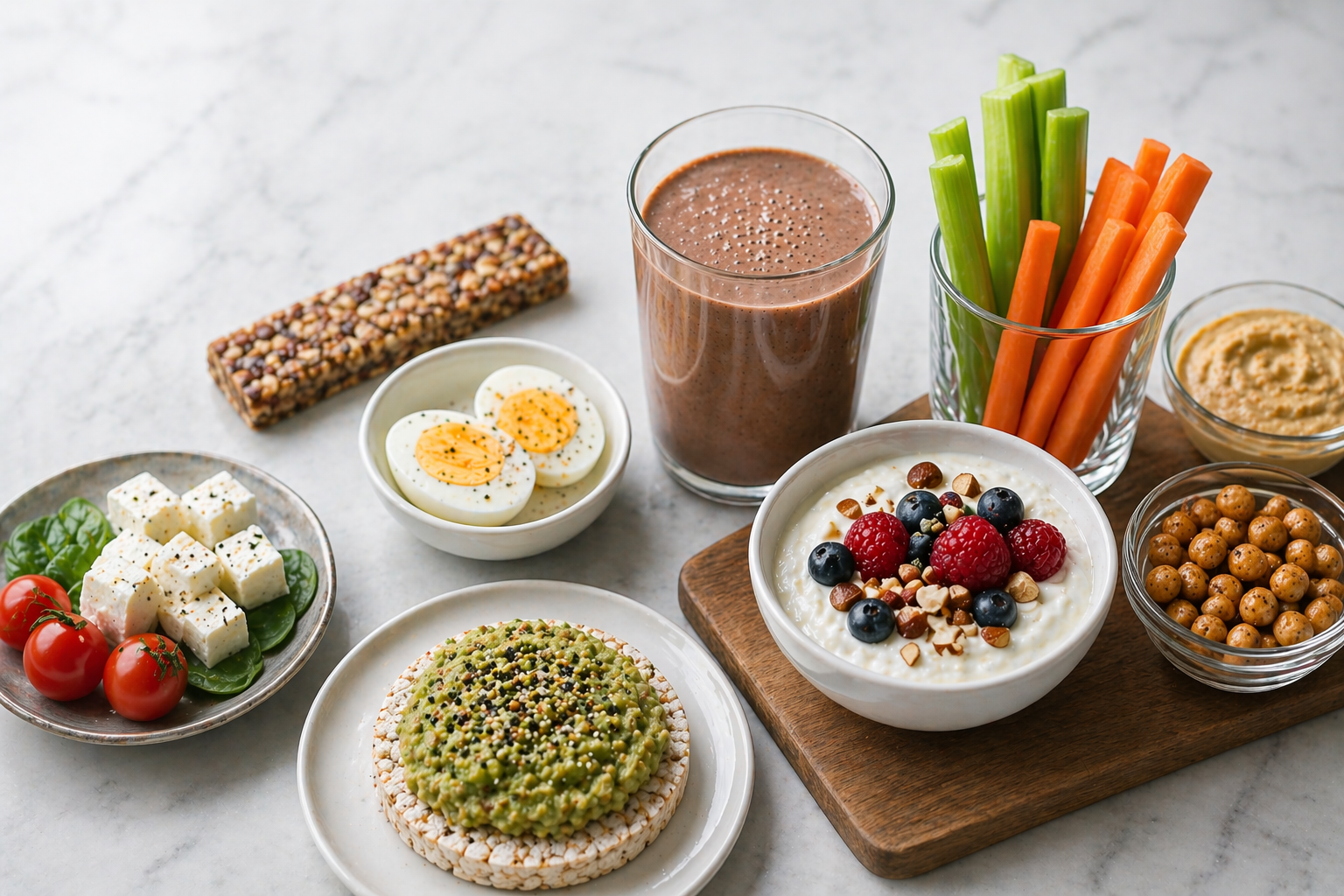
Hitting 150g+ of protein a day when your appetite is suppressed is hard. Snacks — the thing most diet plans tell you to avoid — are actually the single most useful tool most GLP-1 users have for getting protein in. Small amounts, frequent windows, no force-feeding large meals your shrunken stomach genuinely can’t handle. This post covers 15 specific UK high-protein snacks under 200 calories, with real protein numbers, where to buy them, and honest notes on which ones actually taste good.
For the context on why 1.6–2.0g of protein per kg of body weight matters on a GLP-1, see The Nutrition Stack in the Complete Guide. For general UK protein sources, see Protein Sources UK. This post is strictly the tactical, snack-by-snack guide.
Why snacks, specifically, matter more on a GLP-1
Standard weight loss advice says “don’t snack between meals.” That advice makes sense when the problem is overeating calorie-dense junk between adequate meals. On a GLP-1, the problem inverts: you probably can’t finish a full meal, so snacks become your second and third protein opportunities. A 30g protein snack eaten 3 hours after lunch might be the thing that gets you to 150g for the day when your dinner plate is half-finished.
The other reason: protein timing. Muscle protein synthesis — the process of actually building and repairing muscle tissue — peaks for 3–4 hours after a protein meal, then tails off. Four 30g protein doses spread across the day drives more synthesis than two 60g doses, particularly as you age past 40. Snacks between meals let you hit that 4-dose target even when meals are small.
The 15 snacks (all under 200 calories, all 15g+ protein)
1. Skyr yogurt (170g pot)
17g protein, 100 calories. Available: Tesco, Sainsbury’s, Lidl, Aldi, Waitrose, M&S own-brand.
Icelandic strained yogurt. Higher protein and lower sugar than Greek yogurt. Arla Skyr and Lidl’s own-brand “Skyr-Style” are the standards. Natural is the highest protein per calorie; the flavoured pots add 5–10g sugar but are still excellent. Eat with a spoonful of chia seeds for extra fibre and another 2g protein.
2. Boiled eggs (2 large)
12g protein, 140 calories. Available: everywhere.
Classic. Batch-boil six on Sunday, keep in the fridge peeled, grab two when you need them. Add a pinch of salt and black pepper. Cheap, dense in micronutrients, easy on a sensitive GLP-1 stomach.
3. Cottage cheese (150g portion)
18g protein, 140 calories. Available: Longley Farm, Arla, supermarket own-brand.
Went out of fashion, came back in fashion because it’s one of the cheapest high-protein foods in the UK. Plain is fine; add black pepper, chopped chives, or — my current favourite — a drizzle of honey and cinnamon for a sweet version. Not for everyone texturally but if you like it, it’s excellent.
4. Tuna sachets in spring water (112g)
25g protein, 120 calories. Available: John West, Princes, supermarket own-brand.
Self-opening pouches. No tin opener, no drainage, no mess. Pop it, eat it straight with a fork, or squeeze onto a Ryvita. One of the highest protein-per-calorie snacks in existence. Watch the sodium on flavoured versions.
5. Chicken breast slices (100g portion)
23g protein, 110 calories. Available: Bernard Matthews, Sainsbury’s, Tesco, M&S “Simply” roast chicken slices.
Pre-cooked roast chicken slices. The honest-roast or plain-roast versions are the cleanest; flavoured versions can add sugar and sodium. Roll with cucumber sticks, or pair with a Babybel (see below) for a quick 30g+ protein snack.
6. Babybel Original (2 cheeses)
12g protein, 120 calories. Available: everywhere.
Not huge on protein per cheese (6g each), but paired with anything else it adds a nice savoury top-up. Low carb, portable, kid-friendly if you’re sharing. Also available in Light (lower fat, similar protein) and Emmental.
7. Beef jerky (30g portion)
18g protein, 110 calories. Available: Jack Link’s, Wild West, Meatsnacks Co., M&S.
Shelf-stable protein that fits in a bag or car. Read labels — some brands are clean (5g sugar or less per bag) and others are essentially sweet beef candy (15g sugar or more). M&S own-brand biltong is excellent if slightly pricier.
8. Edamame beans (80g shelled portion)
9g protein, 100 calories. Available: frozen section of Tesco, Sainsbury’s, Waitrose, Ocado.
Plant-based option that actually hits meaningful protein. Microwave for 3 minutes, sprinkle with sea salt. Pair with a Babybel or small handful of almonds to boost protein to the 15g+ threshold.
9. Protein shake (1 scoop in 300ml water or milk)
22–25g protein, 120–180 calories. Available: Lily & Loaf, Optimum Nutrition, MyProtein, Bulk.
The single most efficient protein delivery mechanism on the planet. Lily & Loaf Super Protein with Fibre is my go-to because it adds 5g of fibre per serving (helps with GLP-1 constipation), or Optimum Nutrition Gold Standard Whey from Amazon UK for a pure whey option.
10. Protein bar (best-in-class picks)
18–22g protein, 180–200 calories.
The protein bar category is a minefield — most are expensive chocolate bars with some whey mixed in. The UK ones actually worth eating:
- Barebells Protein Bar — excellent texture, creamy, 20g protein, ~200 cal. On Amazon UK.
- Grenade Carb Killa — 20g protein, 200–220 cal depending on flavour. A bit more substantial. On Amazon UK.
- Huel Protein Bar — 20g protein, plant-based, slightly denser texture. On Amazon UK.
Avoid the ones marketed as “protein” but containing 8–12g — they’re sweet bars, not protein sources.
11. High-protein yogurt drinks (Arla Protein, Yoplait Liberte Protein)
20g protein, 150 calories. Available: supermarket dairy section.
Drinkable protein in a bottle. Grab-and-go when you’re rushing and haven’t hit your protein target. The Arla Protein drink at 250ml has 20g protein for 135 calories — extremely efficient.
12. Prawns (100g cooked, peeled)
20g protein, 100 calories. Available: supermarket seafood counter or frozen.
King or tiger prawns, pre-cooked, peeled. Eat cold with a squeeze of lemon and a pinch of chilli flakes. Around £3 for 100g at Tesco or M&S. Pricier per portion but almost calorie-free for the protein delivered.
13. Turkey slices (100g portion, good quality)
20g protein, 110 calories. Available: Bernard Matthews, Tesco Finest, M&S.
Same idea as chicken slices but leaner and often cheaper. Roll with cucumber, pickles, or wrap around a cheese stick. Watch for added sugar on “honey roast” or “maple” versions.
14. High-protein cottage cheese pot (Arla Skyr High Protein pots, Liberte Protein pots)
15–17g protein, 90–120 calories. Available: supermarket dairy.
The ultra-low-calorie variant of the yogurt category. Arla’s Protein pots are 17g protein for ~100 calories, sweetened with sucralose. Liberte’s Protein range is similar. Good if you need a sweet protein hit that’s almost calorie-free.
15. Bone broth (1 cup)
10–12g protein, 50 calories. Available: Osius, Borough Broth Co., Waitrose.
Lower protein per serving but very soothing on a queasy GLP-1 stomach, warming in winter, and adds electrolytes. Not a high-protein powerhouse but a useful add-on when nausea is active and you can’t face solid food but still need to hit protein.
Pairing strategy: stacking snacks to hit 30g protein
A single snack rarely hits the 30g “muscle protein synthesis threshold” most research suggests is the effective minimum per feeding. Pairs that get you there:
- Tuna sachet (25g) + Babybel (6g) = 31g
- Chicken slices 100g (23g) + 2 eggs (12g) = 35g
- Skyr pot (17g) + protein bar (20g) = 37g — a meal really, for 300 cal
- Protein shake (25g) + Babybel (6g) = 31g
- Cottage cheese (18g) + chicken slices (23g) = 41g
- Edamame (9g) + protein shake (25g) = 34g
Any two from the list above gets you comfortably over 30g. For the 4-feedings-per-day target, eat a proper meal at breakfast and dinner, and use two “stacked snacks” of 30g+ in between.
Budget vs convenience
Cheap and effective: eggs, cottage cheese, tuna sachets, supermarket own-brand chicken slices. Per-snack cost around £0.50–£1.50.
Moderate cost: Skyr yogurts, Babybels, edamame, bone broth pots. Per-snack cost around £1–£2.
Premium convenience: Barebells/Grenade bars, protein drinks, prawns. Per-snack cost £2–£3.50. Worth it for portability; brutal on the monthly food bill if you lean on them.
The realistic mix: keep eggs and cottage cheese at home for cheap-every-day protein, keep a stash of Barebells or Grenade bars in your bag/car/desk for emergencies, and buy one or two convenience snacks per shop for busy days.
What to avoid
Several snacks marketed as “high-protein” or “healthy” that fail the protein-per-calorie test:
- Flapjacks marketed as “protein flapjacks.” Usually 10–12g protein but 300–400 calories. A sugar bar with some whey.
- Most “protein” cookies and bakes. Same problem.
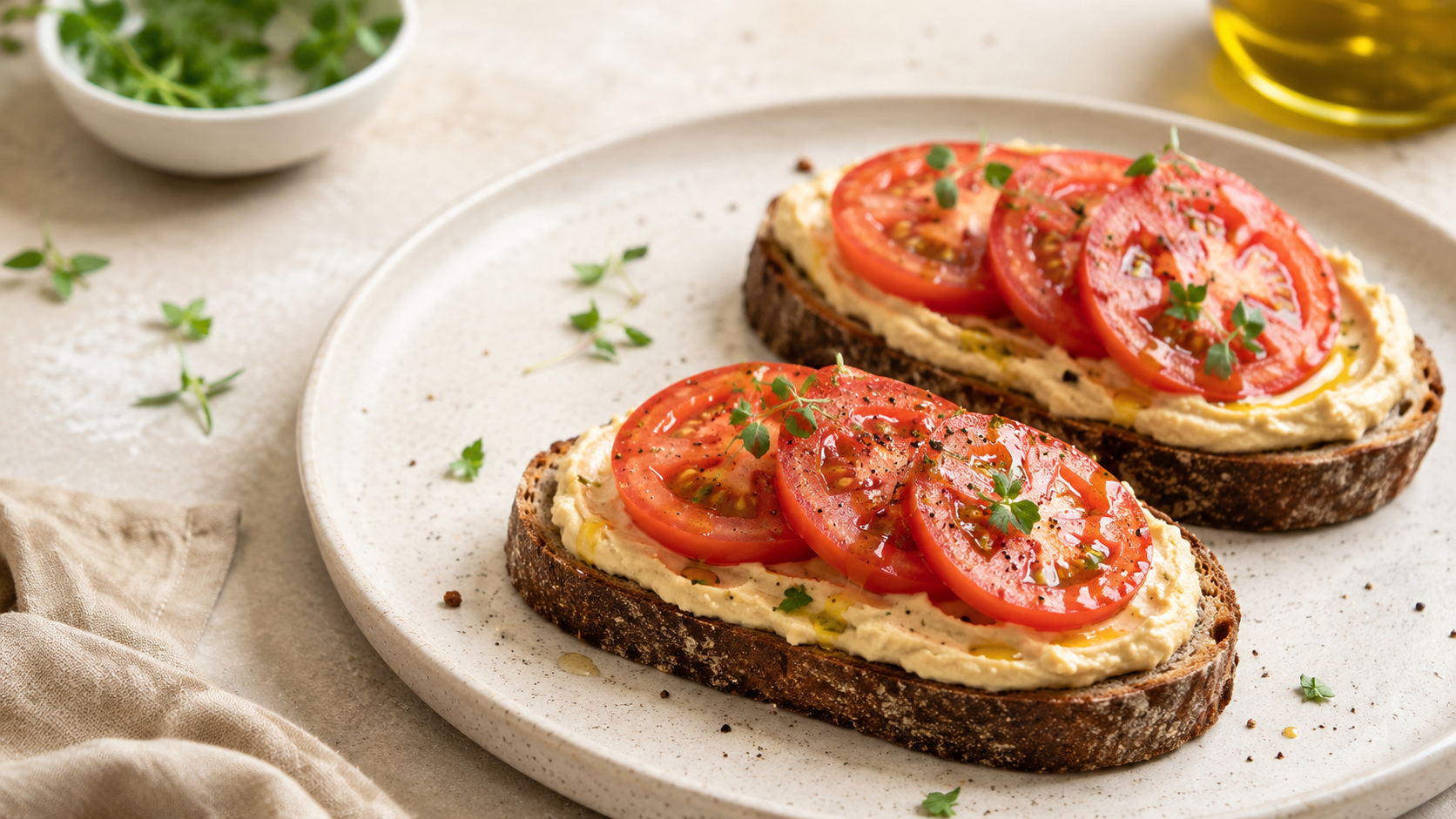
- Hummus with veg sticks. Tasty, but hummus is 7g protein per 100g for 160 cal. Not a protein snack, a fat snack.
- Nuts as a “protein” choice. Almonds are 6g protein per 30g for 175 calories — far too calorie-dense for the protein delivered. Eat them for fats and micronutrients, not as a protein snack.
- Cheese on its own. Cheddar is 7g protein per 30g for 125 cal. Same issue. Pair with something else.
Making this stick
The practical tactic that changed my protein hit rate: a weekly “snack prep” session. Sunday evening, I:
- Boil 6–8 eggs. Peel. Into a container in the fridge.
- Portion out 3 cottage cheese tubs into smaller containers (easier to grab).
- Keep 4–6 tuna sachets in the pantry.
- Stock 3–4 Skyr pots or yogurt drinks in the fridge.
- Keep 2 Barebells bars in my bag, 2 in the car, 2 at my desk.
Total prep time: about 15 minutes. Total cost: about £20 for the week. Protein hit consistency: massively better than trying to remember to be high-protein each meal.
For the full stack — meals, supplements, and macros — see the Complete GLP-1 Weight Loss Guide. For specific breakfast, lunch, and dinner ideas, the high-protein meal posts are coming soon.
Nutrition note: these are general suggestions for most adults on a weight loss journey. Individual protein needs vary with age, weight, activity level, and kidney function. If you have kidney disease or other specific medical conditions, talk to your GP or a registered dietitian before significantly increasing protein intake.
Discover more from Healthy Weight Loss GLP1
Subscribe to get the latest posts sent to your email.