
⚕️ Medical Disclaimer
This content is for informational purposes only and does not constitute medical advice. Always consult your GP or prescribing clinician before making changes to your medication, diet, or supplement regimen.
⚡ QUICK ANSWER
Does Mounjaro help with PCOS?
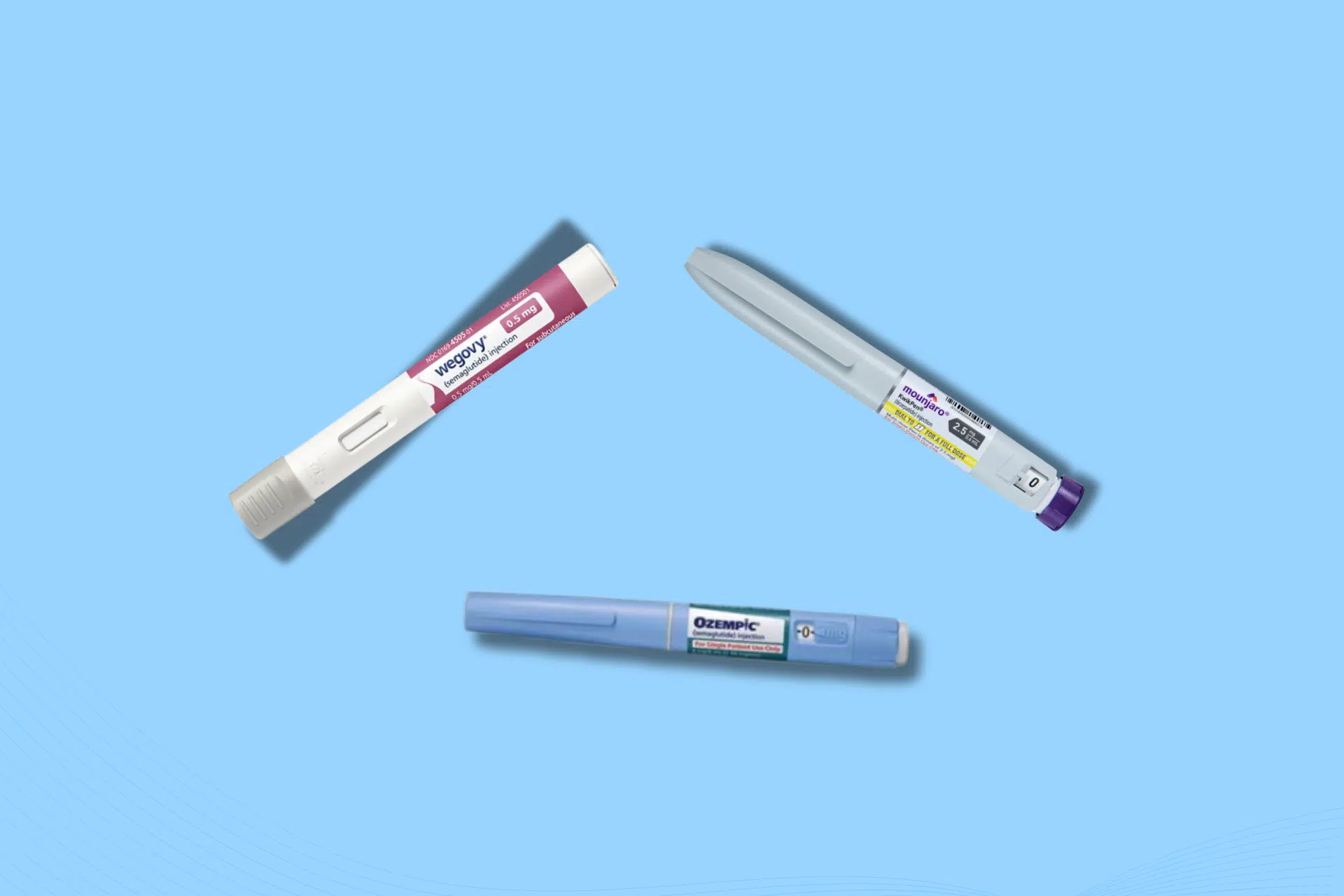
Evidence suggests GLP-1 medications like Mounjaro (tirzepatide) and Wegovy (semaglutide) can significantly help PCOS symptoms — particularly by addressing insulin resistance, which is a core driver of PCOS in most cases. Studies show improvements in cycle regularity, androgen levels, and fertility markers alongside weight loss. However, GLP-1s are not yet licensed specifically for PCOS — they are prescribed for weight management, with PCOS symptoms improving as a result.
Polycystic ovary syndrome (PCOS) affects approximately 1 in 10 women of reproductive age in the UK, and its most common underlying driver — insulin resistance — is exactly what GLP-1 medications address. For many women with PCOS, these medications represent the most significant therapeutic development in a generation. This guide explains the evidence, the mechanism, and what to realistically expect.
Why PCOS and GLP-1 Medications Are a Natural Fit
PCOS is not a single condition — it is a syndrome with multiple overlapping features. The most common presentation in the UK involves:
- Insulin resistance (estimated to affect 50-70% of all PCOS patients, regardless of weight)
- Elevated androgens (testosterone and DHEA-S) — causing hair loss, acne, and hirsutism
- Irregular or absent ovulation — affecting fertility
- Ovarian cysts on ultrasound (present in most but not all cases)
- Higher risk of type 2 diabetes, cardiovascular disease, and endometrial cancer
The insulin resistance component is critical here. When cells are resistant to insulin, the pancreas produces more insulin to compensate. Elevated insulin stimulates the ovaries to produce more androgens — which disrupts ovulation and causes many of PCOS’s most visible symptoms. GLP-1 medications directly improve insulin sensitivity, which breaks this cycle.
What the Evidence Actually Shows
Studies specifically examining GLP-1 medications in PCOS are growing but still limited compared to general obesity trials. Here is what the published evidence shows as of 2026:
| Study / Evidence | Medication | Finding |
|---|---|---|
| Semaglutide + PCOS RCT (2024) | Semaglutide (Ozempic/Wegovy) | Significant reductions in BMI, testosterone levels, and menstrual irregularity over 24 weeks |
| Tirzepatide PCOS case series (2024-25) | Tirzepatide (Mounjaro) | Improved cycle regularity in 60-70% of participants; androgen reduction consistent with semaglutide data |
| Metformin vs GLP-1 comparison studies | Semaglutide | GLP-1s produced greater weight loss and similar or better metabolic improvement than metformin alone |
| SURMOUNT-1 subgroup analysis | Tirzepatide | Improved insulin sensitivity and metabolic markers consistent with benefit in insulin-resistant PCOS |
| Fertility outcomes | Semaglutide | Several case reports and small studies showing spontaneous ovulation restoration — should be stopped before conception |
⚠️ GLP-1s Are Not Licensed for PCOS — But Are Frequently Prescribed
Mounjaro and Wegovy are licensed for weight management and type 2 diabetes — not specifically for PCOS. However, doctors can and do prescribe them for PCOS patients who meet the weight management criteria. The PCOS benefit is considered a secondary outcome of improved insulin sensitivity and weight loss. Discuss this specifically with your GP or a gynaecologist.
Mounjaro vs Wegovy for PCOS — Which Is Better?
Both are effective. Mounjaro (tirzepatide) targets both GLP-1 and GIP receptors — the dual mechanism produces greater average weight loss than semaglutide alone, and potentially greater insulin sensitisation. For women with significant insulin resistance, this makes Mounjaro a compelling option. See Mounjaro vs Wegovy vs Ozempic UK for the full comparison.
In practice, the choice often comes down to availability and cost. Both improve PCOS markers through weight loss and insulin sensitisation. Neither is specifically approved for PCOS, so eligibility discussions with your prescriber will be framed around BMI and weight management criteria.
What to Expect: PCOS Symptom Timeline on GLP-1
| Timeframe | What Typically Changes | Notes |
|---|---|---|
| 0-4 weeks | Weight loss begins; some appetite normalisation | Menstrual cycle unlikely to change this early |
| 4-12 weeks | Insulin levels begin to drop as weight decreases | Some women notice cycle changes — not consistent at this stage |
| 3-6 months | Androgen levels start to fall; acne and hirsutism may improve | Cycle regularity often improves in this window — not universal |
| 6-12 months | Most significant hormonal changes in women who have lost 5-10% of body weight | Fertility improvements most commonly reported in this range |
| 12+ months | Sustained improvements in metabolic markers if medication maintained | Symptoms may return if medication is stopped without lifestyle changes in place |
Supplements That Support PCOS on GLP-1
Several supplements have evidence for PCOS management alongside GLP-1 treatment:
- Lily & Loaf Triple Magnesium (use code ALAN10 for 10% off) — magnesium deficiency is common in insulin resistance and PCOS; supplementation may improve insulin sensitivity
- Myo-inositol UK — strong evidence in PCOS specifically for improving insulin signalling and ovulation rates; often used alongside GLP-1
- Lily & Loaf Vitamin D3+K2 (use code ALAN10 for 10% off) — vitamin D deficiency is prevalent in PCOS; supplementation improves insulin sensitivity and cycle regularity
- Lily & Loaf Omega-3 (use code ALAN10 for 10% off) — anti-inflammatory; evidence for improving lipid profile in PCOS
- N-Acetyl Cysteine (NAC) — antioxidant with specific PCOS evidence; improves insulin sensitivity and egg quality
Fertility Considerations
GLP-1 medications must be stopped before attempting conception. Current guidance recommends stopping at least 2 months before planned pregnancy. The medications are not recommended during pregnancy due to limited safety data.
However, improved cycle regularity from GLP-1 treatment means some women become unexpectedly more fertile — particularly if they had irregular cycles before. If you are sexually active and not trying to conceive, ensure your contraception is reliable while on GLP-1 medication.
RECOMMENDED SUPPLEMENTS
Lily & Loaf — Quality Supplements for GLP-1 Users
Supporting PCOS naturally alongside GLP-1 — magnesium, vitamin D, and omega-3 are the most evidence-backed starting points.
📚 RELATED READING
Some links in this post are affiliate links. If you purchase through them, I may earn a small commission at no extra cost to you. I only recommend products I use myself. Use code ALAN10 for 10% off Lily & Loaf. This post is for informational purposes only — always consult your GP for medical advice.
The Inositol Question — GLP-1 vs Myo-Inositol for PCOS
Myo-inositol is a naturally occurring compound with strong evidence for improving insulin signalling specifically in PCOS. It is widely used as an alternative or supplement to metformin in PCOS management. The question of whether to use myo-inositol, a GLP-1 medication, or both depends on your clinical picture:
| Approach | Best For | Evidence Level |
|---|---|---|
| Myo-inositol alone | Mild PCOS, BMI under 27, primarily interested in cycle regularity and fertility | Strong RCT evidence specifically in PCOS |
| GLP-1 alone | Moderate-severe PCOS with BMI 27+, significant weight loss goal alongside cycle restoration | Very strong evidence for weight loss; moderate PCOS-specific evidence |
| Both combined (under medical supervision) | PCOS with both significant weight and hormonal goals; potentially additive benefit | Emerging evidence — discuss with endocrinologist or gynaecologist |
Myo-inositol UK 2000mg — the dose used in most PCOS clinical trials. Available over the counter. Often combined with D-chiro-inositol in a 40:1 ratio.
Sources: Unfer et al., 2016: Inositols in PCOS — systematic review · Pkhaladze et al., 2020: Myo-inositol vs metformin in PCOS · ESHRE/ASRM PCOS guidelines 2023
Discover more from Healthy Weight Loss GLP1
Subscribe to get the latest posts sent to your email.