
⚕️ Medical Disclaimer
This content is for informational purposes only and does not constitute medical advice. Always consult your GP or prescribing clinician before making changes to your medication, diet, or supplement regimen.
⚡ QUICK ANSWER
Does Mounjaro interact with other medications?
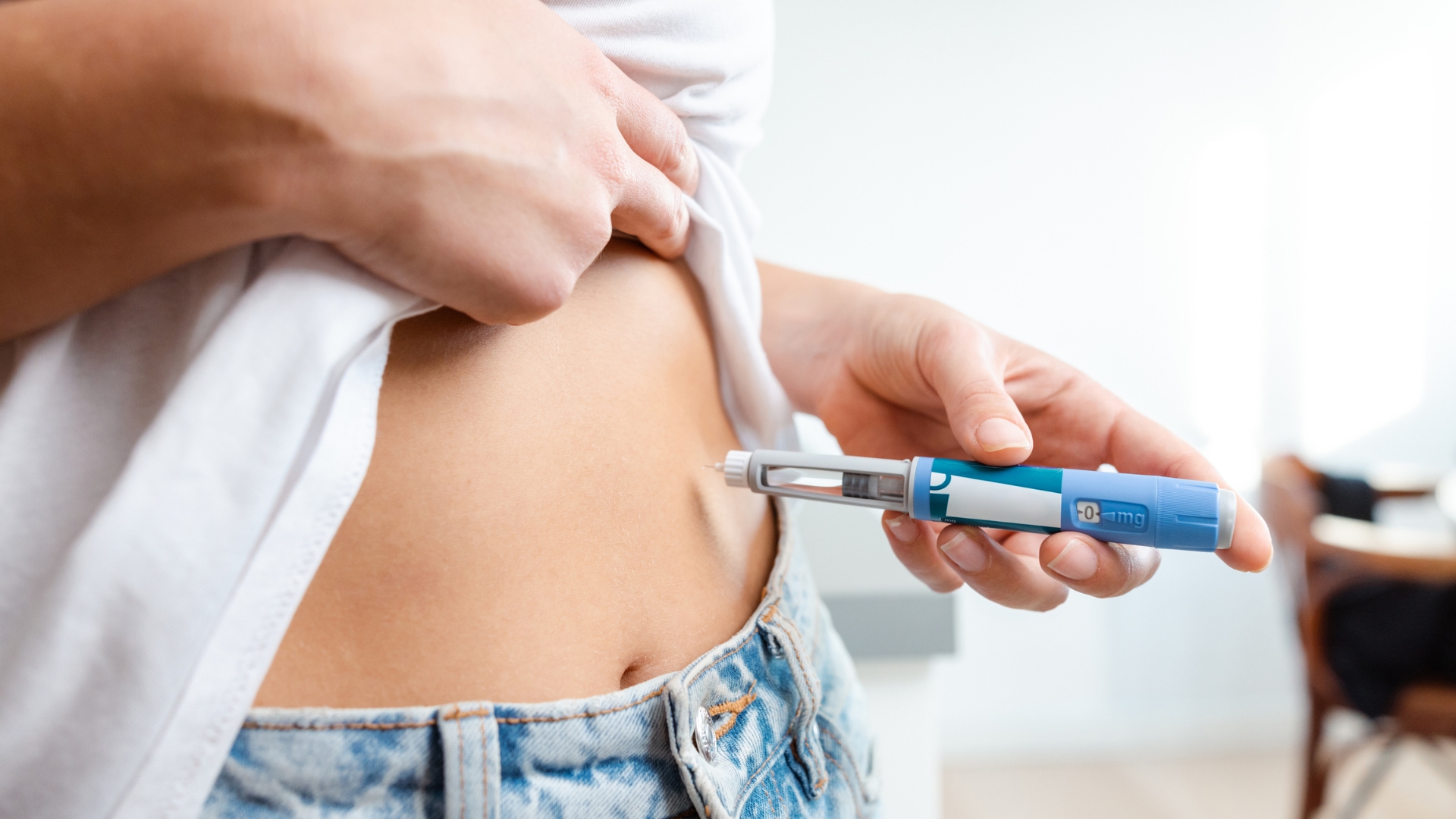
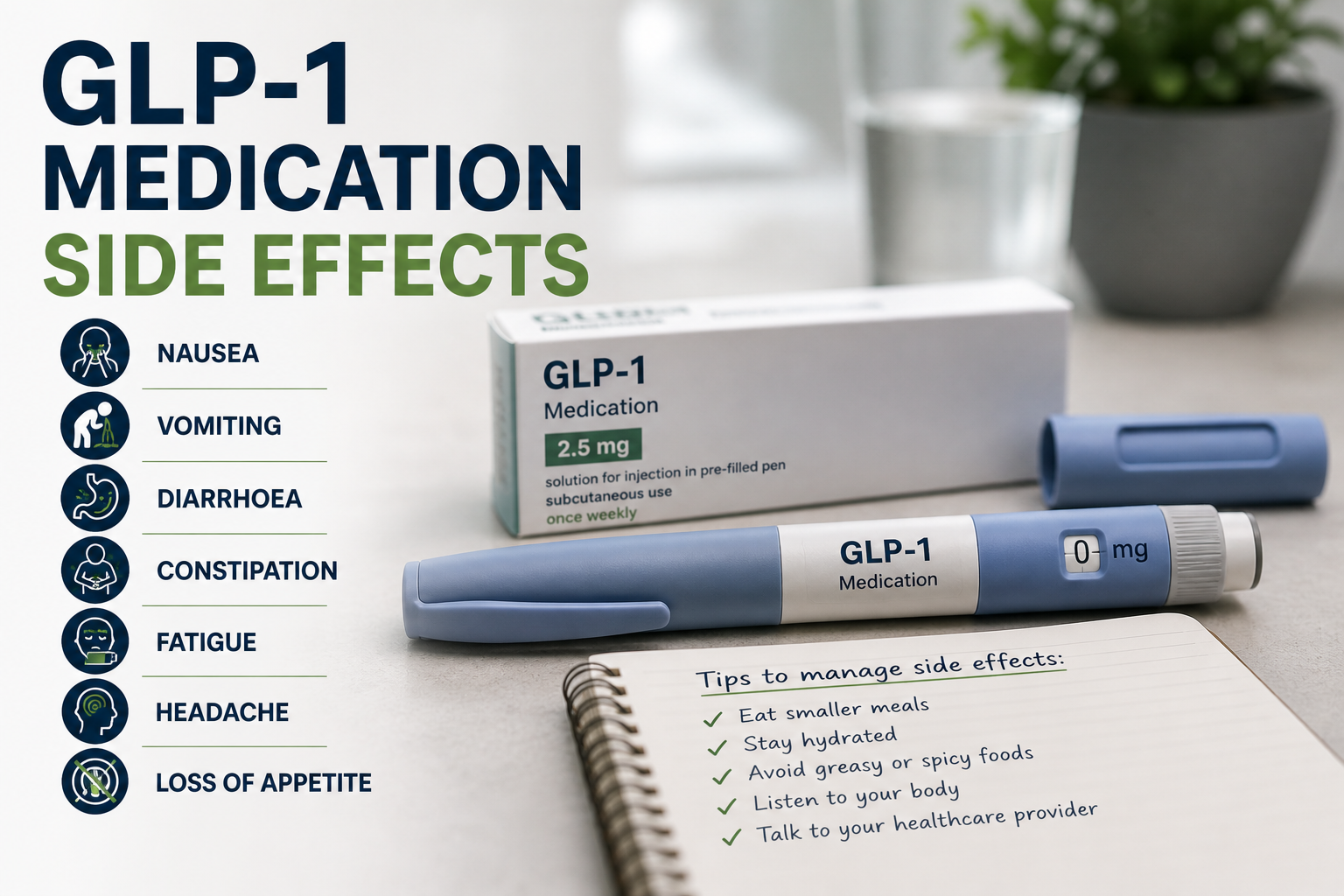
Yes — Mounjaro (tirzepatide) and other GLP-1 medications can interact with several drug classes. The most clinically significant interactions are with oral contraceptives (absorption affected), blood sugar medications (hypoglycaemia risk), blood pressure medications (additive lowering effect), and oral medications with narrow therapeutic windows whose absorption timing is affected by slowed gastric emptying.
Starting any new medication requires a review of what you are already taking. GLP-1 medications have a specific interaction profile related to their mechanism — primarily slowed gastric emptying and blood sugar lowering. This guide covers the interactions most relevant to UK patients. Always review with your prescribing GP or pharmacist. For the full medication guide: Starting Mounjaro in the UK Safely.
The Core Mechanism Behind GLP-1 Interactions
GLP-1 medications interact with other drugs primarily through two mechanisms:
- Slowed gastric emptying: GLP-1 medications slow the rate at which food and oral medications leave the stomach. This affects the absorption timing and peak blood levels of many oral drugs — which can reduce or alter their effectiveness.
- Blood sugar and blood pressure lowering: GLP-1 medications independently lower blood sugar and blood pressure. When combined with other drugs that do the same, the combined effect can be stronger than intended.
High-Priority Interactions — Discuss These With Your GP
| Drug Category | Interaction Type | Clinical Concern | What to Do |
|---|---|---|---|
| Insulin (all types) | Additive blood sugar lowering | Hypoglycaemia risk — both lower blood glucose; combined effect can be excessive | GP will typically reduce insulin dose when starting GLP-1. Never adjust insulin yourself without clinical guidance. |
| Sulphonylureas (glipizide, gliclazide, glibenclamide) | Additive blood sugar lowering | Same hypoglycaemia risk as insulin; sulphonylureas cause insulin secretion independent of blood sugar levels | Dose reduction often required. Monitor for hypoglycaemia symptoms: dizziness, sweating, shakiness, confusion. |
| Oral contraceptives | Absorption alteration | Slowed gastric emptying reduces peak blood levels of oral contraceptives — potentially reducing efficacy | Consider switching to non-oral contraception (patch, implant, coil, injection) or take oral pill at least 1 hour before Mounjaro injection day, and use barrier contraception for 4 weeks after each dose increase |
| Levothyroxine (thyroid medication) | Absorption alteration | Levothyroxine requires precise, consistent absorption; gastric emptying changes can alter blood levels | Take levothyroxine at a consistent time relative to GLP-1 injection; monitor thyroid levels more frequently when starting GLP-1 |
| Warfarin | Indirect — via diet change and absorption | Significant calorie and dietary changes affect INR (warfarin sensitivity); malnutrition or vitamin K changes alter anticoagulation | Increase INR monitoring frequency during active weight loss period on GLP-1. Inform anticoagulation clinic. |
| Blood pressure medications (ACE inhibitors, beta-blockers, calcium channel blockers) | Additive blood pressure lowering | GLP-1 independently reduces blood pressure; combined with antihypertensives may cause excessive lowering | Monitor blood pressure monthly; GP may reduce antihypertensive dose as weight loss progresses |
Moderate Interactions — Be Aware
- Statins (atorvastatin, rosuvastatin): Some evidence of altered absorption timing; generally not clinically significant but worth monitoring lipid panels as usual
- Metformin: Often prescribed alongside GLP-1 for T2D; no dangerous interaction, but both lower blood sugar and GI side effects may be additive — nausea and diarrhoea can be worse. Starting metformin and GLP-1 simultaneously is not recommended; stagger introductions.
- NSAIDs (ibuprofen, naproxen): Weight loss and GLP-1 may affect kidney function; NSAIDs reduce kidney blood flow. Avoid regular NSAID use on GLP-1; use paracetamol for pain relief instead.
- Diuretics (furosemide, bendroflumethiazide): Weight loss causes fluid changes; diuretics may become more potent. Monitor for signs of dehydration — particularly relevant alongside the hydration challenges of GLP-1 medication.
Supplement Interactions
Most supplements are safe alongside GLP-1 medications, but a few warrant mention:
| Supplement | Interaction | Assessment |
|---|---|---|
| Berberine | Additive blood sugar lowering — combined with GLP-1 could cause excessive lowering, particularly with insulin or sulphonylureas | Use with caution; monitor blood sugar if on diabetes medication |
| High-dose fish oil / omega-3 | Blood thinning effect at very high doses (>3g EPA+DHA daily) | Standard supplementation doses are safe; relevant only if also on anticoagulants |
| Magnesium | Generally safe; mild blood pressure lowering at high doses | Standard supplementation doses are safe and beneficial |
| St John’s Wort | CYP3A4 inducer — can reduce blood levels of some medications | Avoid while on any prescription medication |
| High-dose vitamin E (>400 IU/day) | Blood thinning effect at high doses | Standard dietary supplement doses are safe |
What to Tell Your GP or Pharmacist
When starting GLP-1 medication, provide your prescriber with a complete list of:
- All prescription medications (including those prescribed by other specialists)
- All over-the-counter medications taken regularly (including NSAIDs, antihistamines, supplements)
- Any herbal remedies or high-dose vitamins
- Your contraception method if applicable
Your pharmacist can perform a medication review — often more quickly than a GP appointment — and flag any interactions. NHS pharmacists provide this service free of charge.
⚠️ If You Take Oral Contraceptives — Act Now
The interaction between GLP-1 medications and oral contraceptives is clinically significant. If you are taking a combined or progestogen-only pill, discuss alternative or additional contraception with your GP before or immediately after starting GLP-1 medication. An unintended pregnancy on GLP-1 medication (which should be stopped before conception) is a preventable risk.
Monitoring Schedule — What to Check and When
| Test | Timing | Why |
|---|---|---|
| HbA1c and fasting glucose | 3 months after starting, then 6-monthly | Blood sugar management — dose adjustments may be needed |
| Blood pressure | Monthly for first 3 months, then every 3 months | GLP-1 lowers BP; antihypertensive medications may need reducing |
| Kidney function (eGFR) | 6-monthly if no renal issues; more frequently if impaired | GLP-1 affects kidney haemodynamics |
| Lipid panel (cholesterol) | Annually — more frequently if on statins | Weight loss improves lipid profile; statin doses may be reducible |
| INR (if on warfarin) | More frequently during active weight loss phase | Dietary changes alter warfarin sensitivity |
RECOMMENDED SUPPLEMENTS
Lily & Loaf — Quality Supplements for GLP-1 Users
While managing complex medication regimens — quality nutrition fills the gaps. The Daily Essentials Bundle is designed to work safely alongside GLP-1 medications.
📚 RELATED READING
Some links in this post are affiliate links. If you purchase through them, I may earn a small commission at no extra cost to you. I only recommend products I use myself. Use code ALAN10 for 10% off Lily & Loaf. This post is for informational purposes only — always consult your GP for medical advice.
Supplements Generally Safe to Take With GLP-1
The following supplements are generally safe alongside GLP-1 medications at standard doses and are commonly recommended for GLP-1 users:
- Lily & Loaf Daily Essentials Bundle (use code ALAN10 for 10% off) — multivitamin, D3+K2, omega-3, magnesium — safe at recommended doses
- Lily & Loaf Pre+Pro 15 (use code ALAN10 for 10% off) — gut health support; no known interactions with GLP-1 medications
- Lily & Loaf Collagen Plus (use code ALAN10 for 10% off) — protein-based supplement; no drug interactions
- Lily & Loaf Pea Protein (use code ALAN10 for 10% off) — food supplement; no interactions
- Vitamin C — water soluble; no GLP-1 interactions at standard doses
Always inform your GP of any supplements you are taking — not because most carry risk, but because complete medication and supplement lists help your clinical team make the best decisions.
Sources: MHRA: tirzepatide summary of product characteristics · BNF: semaglutide drug interactions · Stockley’s Drug Interactions database
Discover more from Healthy Weight Loss GLP1
Subscribe to get the latest posts sent to your email.