
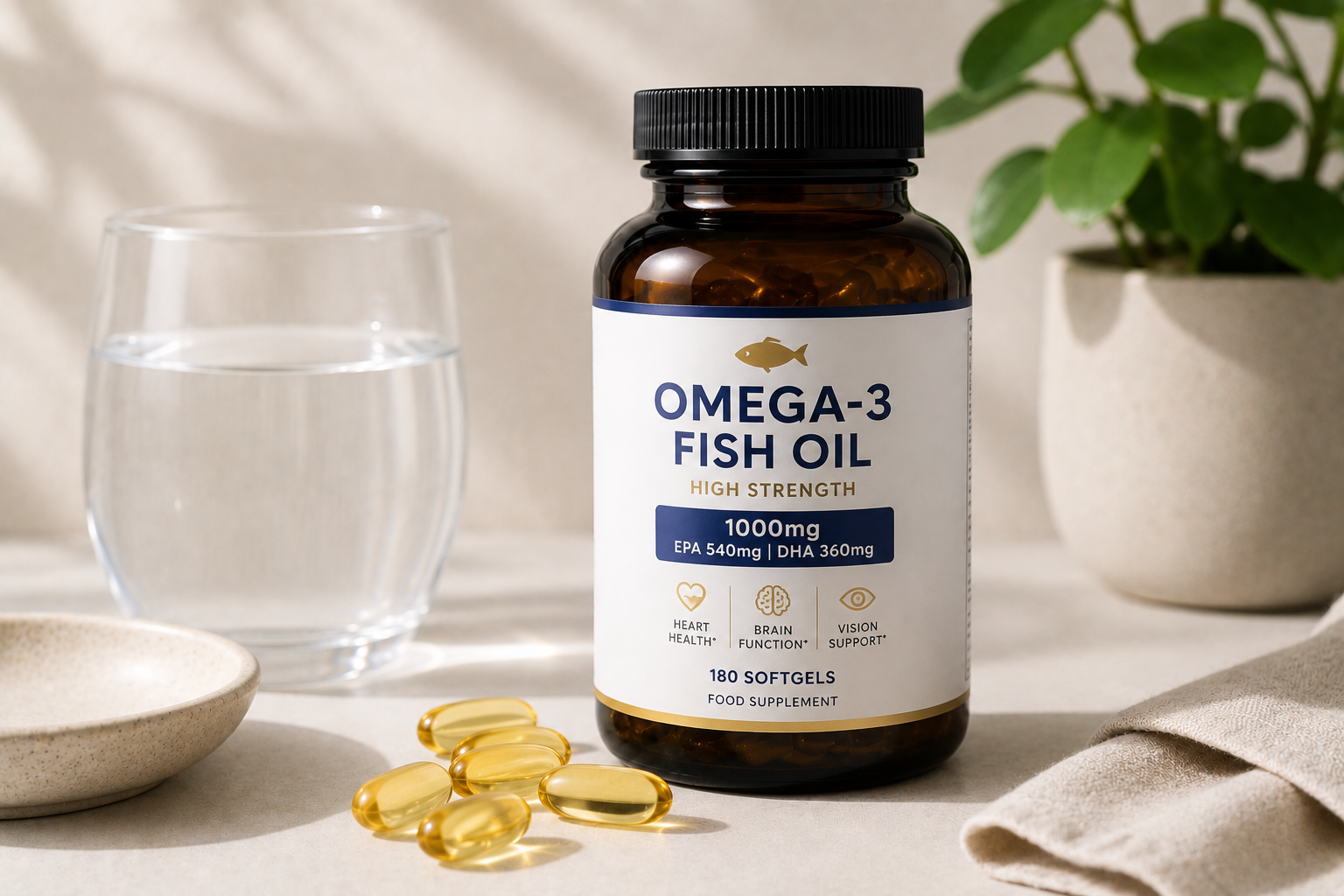
Omega-3 supplementation is probably the single highest-value supplement for a GLP-1 user after protein powder and vitamin D. It reduces the systemic inflammation of rapid weight loss, supports brain and cardiovascular health, and helps protect against the lean tissue loss that can accompany fast fat loss. The catch: most omega-3 supplements on the UK market are underpowered, rancid, or both. This is the honest 2026 guide to picking one that’s actually worth taking.
For the supplement stack overview see Supplements Worth Taking in the Complete Guide. This is specifically on omega-3.
Why omega-3 specifically matters for GLP-1 users
Four relevant effects:
1. Anti-inflammatory effect during rapid weight loss. Losing fat tissue fast releases stored inflammatory signals and free fatty acids. Omega-3s (specifically EPA and DHA) help counterbalance the inflammatory burden.
2. Support for muscle protein synthesis. Research from the past decade (Smith et al., others) suggests omega-3s enhance the muscle protein synthesis response to dietary protein, particularly in older adults. Protecting muscle during GLP-1-driven weight loss is the whole nutrition game; omega-3 is a small but real contributor.
3. Brain and mood support. DHA is structurally important in brain tissue. Rapid weight loss can occasionally be associated with mood dips; maintaining omega-3 status is a sensible hedge.
4. Cardiovascular risk reduction. Long-established evidence base for triglyceride reduction and modest cardiovascular outcome improvement at adequate doses.
The UK population runs low on omega-3 — the typical UK diet is heavy in omega-6 (from processed foods, vegetable oils) and light on omega-3 (from oily fish, flaxseed, walnuts). Most GLP-1 users benefit from supplementation.
EPA and DHA: the numbers that matter
The omega-3 supplement category is plagued by misleading labelling. A “1,000mg fish oil” capsule often contains only 300mg of actual EPA+DHA, with the rest being inert fish oil triglycerides. What matters is the combined EPA + DHA content.
Dosing targets most clinicians use:
- Basic health maintenance: 500–1,000mg combined EPA+DHA daily
- Triglyceride lowering / metabolic benefit: 1,500–3,000mg combined daily
- Therapeutic / medical use: up to 4,000mg daily under medical supervision
For a GLP-1 user, the 1,000–2,000mg combined EPA+DHA daily range is the sensible target. Below that, the benefit is marginal; above that, you’re entering territory best discussed with a clinician, particularly if you’re on any anticoagulants.
To get 1,000mg combined EPA+DHA daily from supplements, you typically need 2–4 capsules of a standard omega-3 product, or 1–2 capsules of a higher-concentration one. Label-reading is essential.
Freshness and oxidation: the overlooked issue
Omega-3 oils are extremely prone to oxidation — the oil going rancid. Oxidised fish oil at best doesn’t do what you want it to do; at worst, it can be counterproductively inflammatory.
Signs of oxidised or low-quality omega-3:
- A strong fishy burp or “fish breath” lasting hours after taking (fresh fish oil doesn’t do this)
- Rancid or sour taste when you bite a capsule (you shouldn’t; but testing is diagnostic)
- Dark yellow or orange colour (should be light gold to pale yellow)
- Smell that’s overpoweringly fishy rather than mildly oceanic
Quality brands test for TOTOX (total oxidation value) and publish results. Aim for TOTOX below 26; below 10 is excellent. This is one of the clearer quality differentiators in the market.
UK omega-3 picks for 2026
Best all-rounder: Bare Biology Lion Heart
1,000mg EPA + 550mg DHA per 5ml serving. TOTOX consistently below 10. UK-brand. £30–£35 for 300ml (60 servings).
Bare Biology has been the UK premium omega-3 standard since 2013. Liquid form (which avoids capsule absorption variability and delivers higher doses more practically), sourced from small fish (anchovy, sardine, mackerel) which are lower in environmental contaminants, third-party tested for heavy metals, published TOTOX scores.
The price is higher than budget alternatives but the dose per serving is genuinely therapeutic (1,550mg combined EPA+DHA) and the quality is exceptional. One teaspoon daily covers what would require 3–5 capsules of cheaper alternatives.
Taste: fresh and lemony on first purchase; neutral if stored properly in the fridge. Better than any capsule on quality markers. The downside is the refrigeration requirement and the cost.
Buy from: Bare Biology Lion Heart on Amazon UK.
Best value: Nordic Naturals Ultimate Omega
650mg EPA + 450mg DHA per 2 capsules. Third-party tested. £35–£45 for 60 capsules (30 servings).
Nordic Naturals is the premium capsule brand most nutritionally-informed users default to. Third-party tested with published oxidation and heavy metal values. The 2-capsule serving delivers 1,100mg combined EPA+DHA — right in the target range. Lemon flavour to reduce fish burps.
Strict with freshness: freshness-dated bottles, recommended to refrigerate after opening. The TOTOX scores are reliably below 26, typically below 15.
Buy from: Nordic Naturals Ultimate Omega on Amazon UK.
Best mid-market: Wiley’s Finest Peak EPA
1,125mg EPA + 375mg DHA per 2 capsules. IFOS 5-star certified. £25–£30 for 60 capsules.
Sustainable Alaska Pollock-sourced. IFOS 5-star certification is the most rigorous independent testing standard for fish oil (purity, potency, oxidation). 1,500mg combined EPA+DHA per 2-capsule serving, higher-ratio EPA for people specifically prioritising the anti-inflammatory effect.
Strong value: high quality at a mid-market price. Worth noting the higher EPA:DHA ratio for people specifically targeting metabolic or cardiovascular benefit; DHA-dominant for brain support would push you to a different product.
Buy from: Wiley’s Finest Peak EPA on Amazon UK.
Best budget: Vitabiotics Ultra Omega-3
335mg EPA + 241mg DHA per 2 capsules. Around £10 for 60 capsules.
UK-brand budget option. Lower dose per capsule than premium brands — you’ll need 4 capsules per day to hit 1,000mg+ combined. Still UK-manufactured with reasonable quality control. Not the highest-end product available but genuinely adequate for someone unable to justify £30+ per month.
Trade-off: you need more capsules per day, and quality testing is less transparent than premium brands. For occasional or backup use this is fine; for long-term daily core-stack positioning, the premium brands earn their price difference.
Buy from: Vitabiotics Ultra Omega-3 on Amazon UK.
Best vegan option: Viridian Vegan Omega-3 (algae-based)
500mg EPA + 250mg DHA per 2 capsules, from algae. £30–£40 for 60 capsules.
Algae is the source fish get omega-3 from; algal oil delivers the same bioavailable EPA and DHA without the fish intermediary. Viridian’s vegan omega-3 is a clean-formulation plant-based option. Dose per capsule is modest; 2 capsules daily gives 750mg combined EPA+DHA.
Premium price but the only genuinely effective vegan option — flaxseed oil alone delivers ALA (short-chain omega-3) which converts poorly to EPA/DHA in humans, so for vegan users, algae is the right source.
Buy from: Viridian Vegan Omega-3 on Amazon UK.
What to avoid
Several omega-3 products that undersell or mislead:
- “1,000mg fish oil” with no EPA+DHA breakdown. Often only 300mg combined EPA+DHA per capsule. You need 3–4 capsules to hit target.
- “Mega-dose” products without independent testing. A capsule claiming 2,000mg combined EPA+DHA might be selling fantasy numbers without verification. Stick with third-party-tested brands.
- Cheap supermarket own-brand omega-3. Often older stock, higher TOTOX, lower actual omega-3 content than labelled.
- Fish oil gummies. Lower doses, added sugar, often poor bioavailability.
- Krill oil as the sole omega-3 source. Krill oil has some phospholipid absorption advantages but delivers lower absolute EPA+DHA per serving. Fine as an adjunct; underpowered as the only omega-3 source for therapeutic use.
- Cod liver oil as the sole omega-3. Lower EPA+DHA per dose and contains significant vitamin A which can stack to unsafe levels if you’re also taking a multivitamin.
- Pure flaxseed oil for vegans seeking EPA/DHA. As mentioned, ALA conversion to EPA/DHA is poor (<10%). Use algae-based for vegan omega-3.
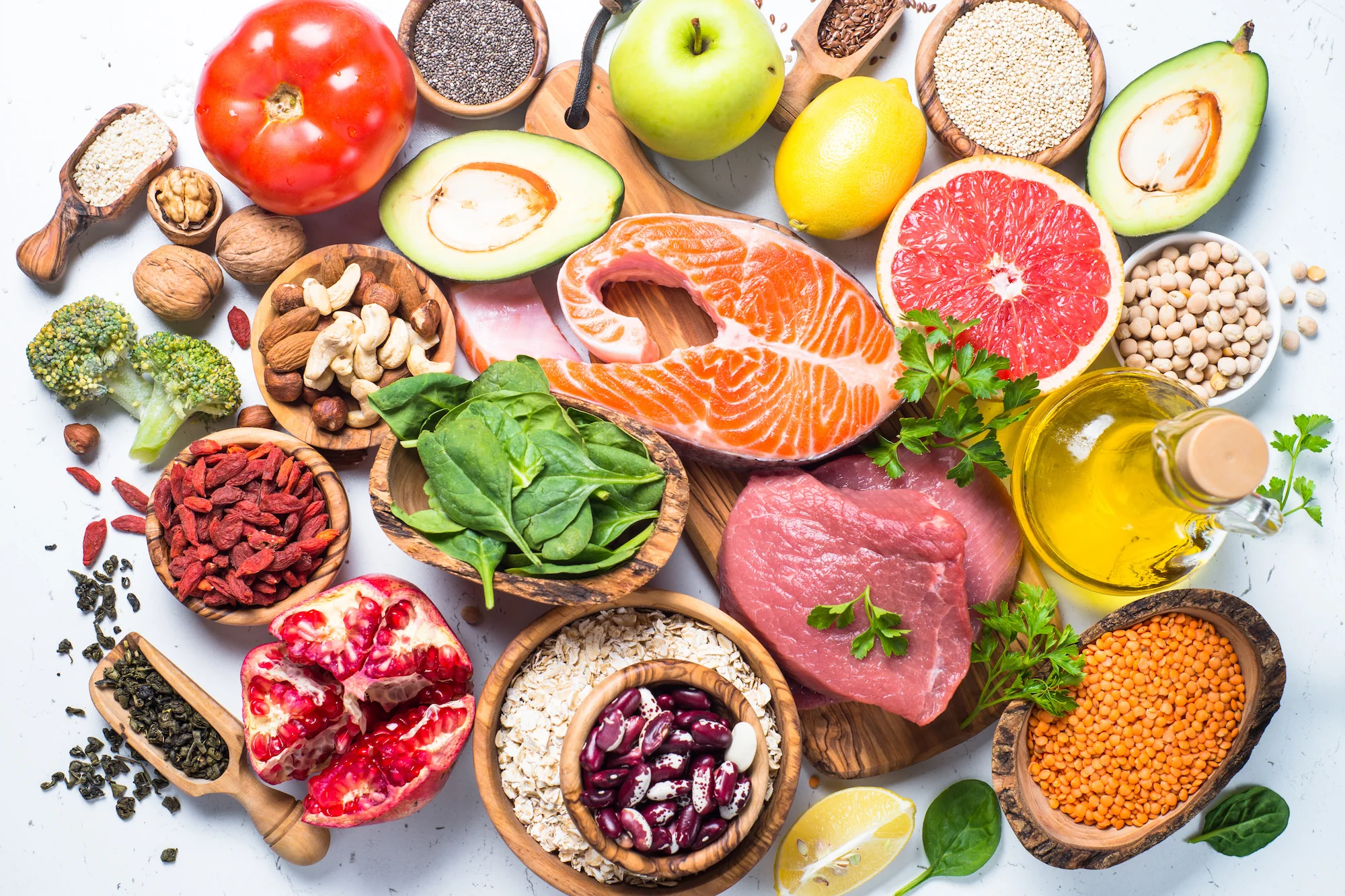
Whole-food omega-3: the better-first approach
Ideally, most of your omega-3 comes from oily fish rather than supplements. NHS guidance is 2 portions of fish per week, one of which should be oily. Good UK sources:
- Salmon (140g portion): ~2,500mg combined EPA+DHA
- Mackerel (140g portion): ~3,000mg
- Sardines (95g tin): ~1,300mg
- Fresh tuna (140g steak): ~750mg (tinned tuna has lower levels due to processing)
- Trout (140g portion): ~1,500mg
- Anchovies (50g): ~600mg
If you’re eating salmon or mackerel twice a week, your omega-3 need is largely met from food and you can reduce supplement dose. Most UK adults don’t hit that frequency, which is why supplementation is the practical default.
Timing and pairing
Take omega-3 with a meal containing some fat. Morning or evening, consistency matters more than timing. Split dose (1 capsule morning, 1 with dinner) may reduce fish burps.
Pairs well with: vitamin D3/K2 (similar fat-soluble pattern), magnesium, B-complex.
Take separately from: calcium supplements (not a hard rule but simpler digestion).
Don’t combine with: high-dose anticoagulants without medical input (blood-thinning effect of omega-3 at high doses adds to anticoagulant effect).
When to check with a clinician first
Before starting high-dose omega-3 supplementation:
- If you’re on warfarin, DOACs (apixaban, rivaroxaban, dabigatran), or aspirin daily
- If you have a bleeding disorder
- If you have a planned surgery in the next 2–4 weeks
- If you have liver disease
- If you’re pregnant or trying to conceive (different dose considerations, generally favourable but worth clinical input)
- If you’ve had any allergic reactions to fish or shellfish
For most healthy adults at 500–2,000mg daily, omega-3 is well-tolerated and safe.
Storage and shelf life
- Refrigerate after opening (especially liquid forms)
- Keep out of direct sunlight
- Typical shelf life: 18–24 months unopened; 3–6 months opened
- If the oil develops a strong rancid smell or the capsules smell fishy when you break one, discard
My recommendation in one line
For most UK GLP-1 users: Nordic Naturals Ultimate Omega (2 capsules daily, 1,100mg EPA+DHA). For higher dose or liquid: Bare Biology Lion Heart. For vegan: Viridian algae-based. Pair with D3/K2 (see Best Vitamin D3 K2 UK 2026) for a solid foundational supplement stack.
For the whole supplement picture: Supplements Worth Taking in the Complete Guide.
Disclosure: some links above are affiliate links. Medical note: if you’re on blood thinners, have bleeding disorders, or have surgery planned, talk to your GP before supplementing with omega-3 above 1,000mg daily combined EPA+DHA.
Discover more from Healthy Weight Loss GLP1
Subscribe to get the latest posts sent to your email.