
Gut health has become one of the most searched supplement categories in the UK — and one of the most heavily marketed. The gut microbiome does genuinely influence immune function, metabolism, mood, and weight. But not every supplement marketed for gut health delivers meaningful benefit. This guide cuts through the marketing to identify what the evidence actually supports.
The gut microbiome — why it matters
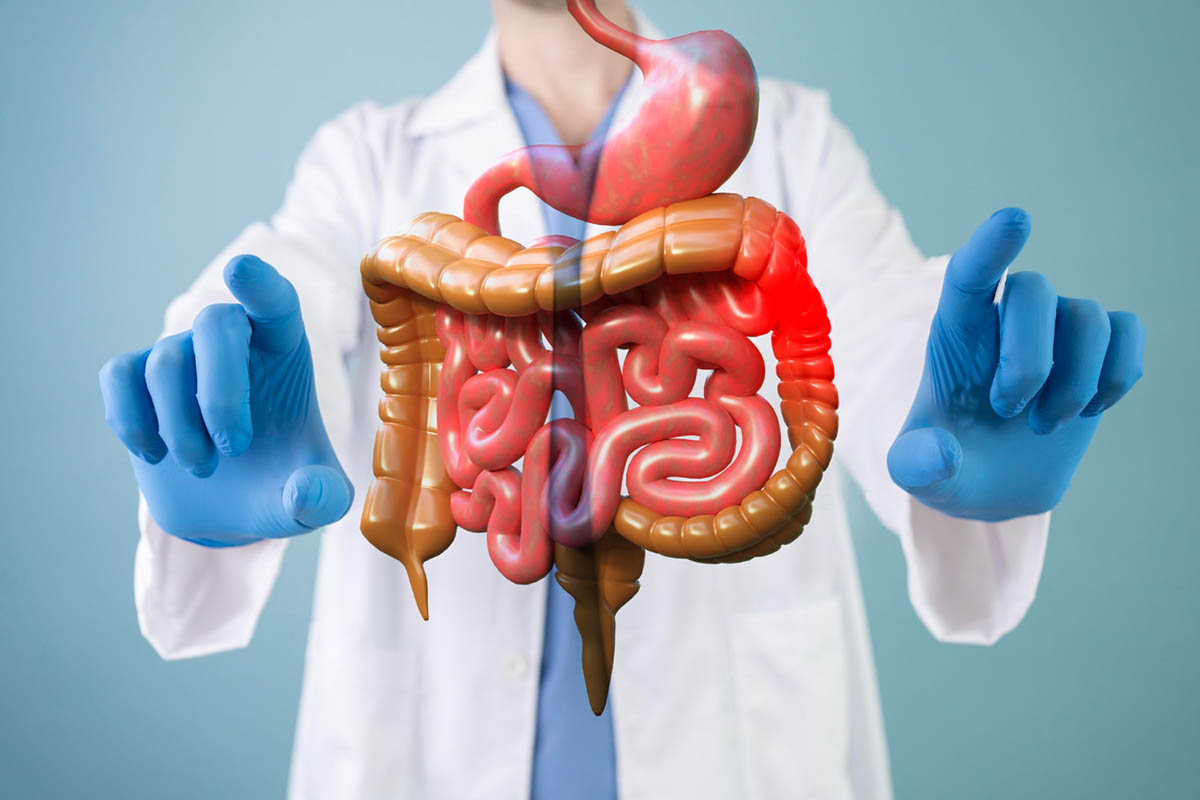
The human gut contains approximately 38 trillion microorganisms — more than the total number of human cells in the body. This ecosystem influences:
- Immune function: 70–80% of immune cells reside in or adjacent to the gut; microbiome composition directly influences immune response
- Metabolism: gut bacteria ferment dietary fibre into short-chain fatty acids (SCFAs) that regulate energy extraction, inflammation, and hormone production
- Weight: specific bacterial species are associated with healthy body weight; obese individuals show distinct microbiome profiles from lean individuals
- Mental health: the gut-brain axis — through vagal nerve signalling, SCFA production, and neurotransmitter synthesis (95% of serotonin is produced in the gut)
- Digestion: proper enzyme production, gut motility, and nutrient absorption
Gut health supplements ranked by evidence
Tier 1 — Strong, consistent evidence
Multi-strain probiotics

The evidence for probiotics is strongest for:
- Reducing antibiotic-associated diarrhoea (Lactobacillus rhamnosus GG — 60% risk reduction)
- IBS symptom improvement (multiple strains; Bifidobacterium longum and Lactobacillus acidophilus most evidence)
- Reducing the severity and duration of gastrointestinal infections
- Post-antibiotic microbiome restoration
- Travel diarrhoea prevention
What to look for: 5+ strains minimum, ideally 10–20; 10 billion+ CFU; includes prebiotic fibre (FOS or inulin) to nourish the bacteria; shelf-stable formulation from a reputable brand.
Lily & Loaf Pre+Pro 15 — 15 strains, 15 billion CFU, FOS prebiotic, B vitamins — is one of the strongest value propositions in the UK market for a complete prebiotic/probiotic combination.
Lily & Loaf — Recommended
Pre+Pro 15 (Daily Flora)
✅ 90-day money-back guarantee | ✅ Free UK delivery over £40
15 strains · 15 billion CFU · FOS prebiotic · B vitamins
Prebiotic fibre
Prebiotics — non-digestible fibres that feed beneficial gut bacteria — are arguably more important than probiotics for long-term microbiome health. You can introduce probiotic bacteria, but without the fibre to nourish them, they will not thrive.
Evidence-based prebiotic fibres:
- Psyllium husk: strongest evidence for IBS, constipation, cholesterol reduction. 1 tsp in a large glass of water before bed.
- Fructo-oligosaccharides (FOS): feeds Bifidobacterium specifically; included in Pre+Pro 15
- Inulin: broad-spectrum prebiotic from chicory root; widely available
- Beta-glucan: from oats; reduces cholesterol and feeds microbiome
Tier 2 — Good evidence for specific conditions
L-Glutamine
Glutamine is the primary fuel for enterocytes — the cells lining the intestinal wall. Research shows it supports gut barrier integrity (reducing intestinal permeability/”leaky gut”), particularly relevant after:
- Gastrointestinal surgery or bariatric surgery
- Antibiotic courses
- GLP-1 medication use (slowed gastric motility creates microbiome stress)
- Periods of high physical stress or illness
Digestive enzymes
Digestive enzymes supplement the body’s own enzyme production. Most useful for:
- Post-gallbladder removal — bile acids are now released continuously rather than on demand; enzyme supplements support fat digestion
- Lactase deficiency (lactose intolerance)
- Pancreatic insufficiency (requires medical-grade prescription enzymes)
- Generalised digestive discomfort — some people find enzyme supplements reduce bloating and gas
Zinc carnosine
Research-backed for gut barrier integrity specifically — a stable complex of zinc and L-carnosine that concentrates in the gastric mucosa and supports lining repair. Used in functional medicine for “leaky gut” protocols with reasonable clinical support.
Tier 3 — Insufficient evidence or niche applications
| Supplement | Claim | Evidence quality | Verdict |
|---|---|---|---|
| Collagen for gut health | Supports gut lining | ⭐⭐ Weak | Glycine in collagen may help; insufficient direct gut evidence |
| Aloe vera juice | Soothes gut inflammation | ⭐⭐ Weak | Some laxative evidence; anti-inflammatory evidence limited |
| Activated charcoal | Removes toxins | ⭐ Minimal | Removes medications too — risky; no meaningful “detox” evidence |
| Licorice root | Soothes gut | ⭐⭐⭐ Moderate | DGL (deglycyrrhizinated) form has modest IBS evidence |
Best gut health supplements UK — comparison table
| Product | Evidence tier | Best for | L&L option | Amazon alternative |
|---|---|---|---|---|
| Multi-strain probiotic | Tier 1 | General gut health, post-antibiotics, IBS, GLP-1 | Pre+Pro 15 | Garden of Life Dr Formulated |
| Prebiotic fibre (psyllium) | Tier 1 | Constipation, IBS, cholesterol | FOS in Pre+Pro 15 + fibre from Daily Fuel | Psyllium Husk Powder |
| L-Glutamine | Tier 2 | Gut barrier, post-surgery, post-antibiotics | — | L-Glutamine Powder |
| Digestive enzymes | Tier 2 | Post-gallbladder, fat digestion, bloating | — | Comprehensive Digestive Enzymes |
Frequently Asked Questions
What is the best gut health supplement in the UK?
A multi-strain probiotic with a prebiotic component provides the broadest evidence base for gut health improvement. Lily & Loaf Pre+Pro 15 (15 strains, 15 billion CFU, FOS prebiotic) is a strong UK option. Pairing with increased dietary fibre (25–30g/day) produces better outcomes than probiotics alone.
How long do probiotics take to work?
Digestive changes (regularity, reduced bloating) are typically noticed within 1–2 weeks. Broader microbiome diversity improvements require 4–8 weeks of consistent daily use. For specific conditions like post-antibiotic recovery, continue for at least 4 weeks after the antibiotic course.
Do gut health supplements help with weight loss?
Modestly and indirectly. Research shows probiotic supplementation produces small reductions in weight and BMI (approximately 0.6kg on average across 12 weeks). The primary mechanism is through improved gut hormone production (GLP-1, PYY), reduced inflammation, and improved insulin sensitivity — not direct fat burning.
Should I take probiotics with food?
Yes — take probiotics with a meal. Food provides a protective buffer against stomach acid, significantly improving live culture survival to the intestine. The exception is enteric-coated capsules designed to dissolve in the intestine regardless of stomach acid exposure.
What probiotic strains are best for IBS?
Strongest evidence for IBS: Bifidobacterium longum (reduces pain and bloating), Lactobacillus rhamnosus (reduces IBS severity), Lactobacillus acidophilus (digestive balance). Multi-strain products including these species outperform single-strain products in most IBS research.
Related: Lily & Loaf Pre+Pro 15 Review | Managing Constipation on GLP-1 | Do Probiotics Help Weight Loss?
Discover more from Healthy Weight Loss GLP1
Subscribe to get the latest posts sent to your email.