
There’s a phase of Mounjaro use — usually the first weeks of a new dose step, or a few days after injection if you’re sensitive — where food genuinely doesn’t appeal. The smell of cooking is off-putting, full meals feel impossible, and you can feel the calorie deficit widening in the wrong direction. This is the survival guide for those days: bland, digestible, protein-forward food that works when your stomach isn’t cooperating.
For the general nutrition framework see The Nutrition Stack in the Complete Guide. For specific guidance when side effects are more severe: Mounjaro Nausea Relief UK.
Understanding why appetite disappears
On Mounjaro the appetite suppression is typically gradual through the titration period, but some days it lurches. The usual triggers for a particularly appetite-flat day:
- Day 1–3 after a dose step up
- Day 1–2 after a new week’s injection
- During a hot day (dehydration amplifies the appetite suppression)
- After a stressful or sleep-deprived few days
- After eating too much fat-heavy food the previous day (slows gastric emptying further)
On these days, the standard GLP-1 eating advice (“hit 1.6g per kg protein, eat varied meals, no forcing”) breaks down because you can’t actually eat a full chicken breast or a proper salad. You need a different playbook for these days specifically.
The three goals when appetite is flat
In order of priority:
1. Hydration first. Not eating is survivable for a day. Not drinking is not. Prioritise fluid — water, broths, electrolytes, weak tea — before worrying about food.
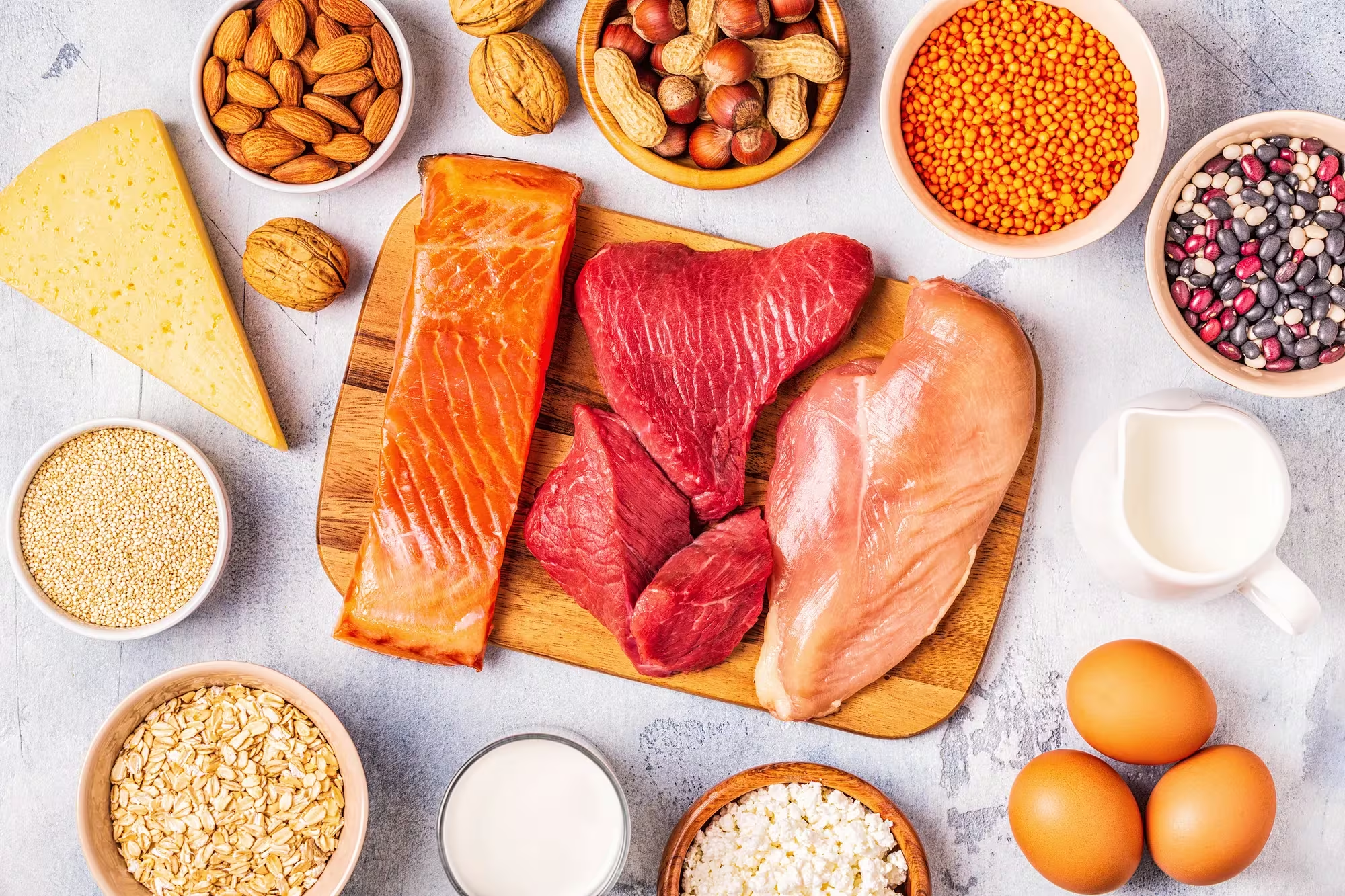
2. Get some protein in. Even 40–60g of protein on a no-appetite day prevents muscle breakdown and keeps you functional. That’s two protein shakes or one good protein shake and some cheese.
3. Accept lower calories for the day. A 600–900 calorie day when your body simply won’t accept food is not a disaster. Eat more tomorrow. Don’t force down a full meal that’ll just come back up or sit uncomfortably for 6 hours.
The no-appetite day food list (in order of tolerability)
Starting from things that are easiest to face and moving toward normal food:
Liquid / near-liquid options (easiest)
- Bone broth (warm, plain). 10g protein per mug, gentle on stomach, electrolyte content helps, warming effect soothes nausea. Osius, Borough Broth Co., and Waitrose all stock good UK broths.
- Plain chicken consommé or homemade stock. Similar benefits to bone broth, cheaper.
- Protein shake (whey in water). Cold. Vanilla flavour tends to work better on nauseous days than chocolate. 25g protein in one glass. If straight shakes feel too much, dilute with more water.
- Ginger tea (fresh ginger slices in hot water). Not protein, but meaningfully settles the stomach and creates a window where food becomes tolerable.
- Peppermint tea. Same principle, different active compound.
- Electrolyte drink (SiS Hydro, LMNT half-strength). Replaces minerals without calorie load.
- Coconut water. Some people find it soothing; others find it unappealing. Try and see.
Semi-solid options (next up)
- Greek yogurt, 100–200g plain. Gentle, cold, high protein (17g for 170g Skyr pot). Plain tends to work better than flavoured on queasy days — sweetness can trigger aversion.
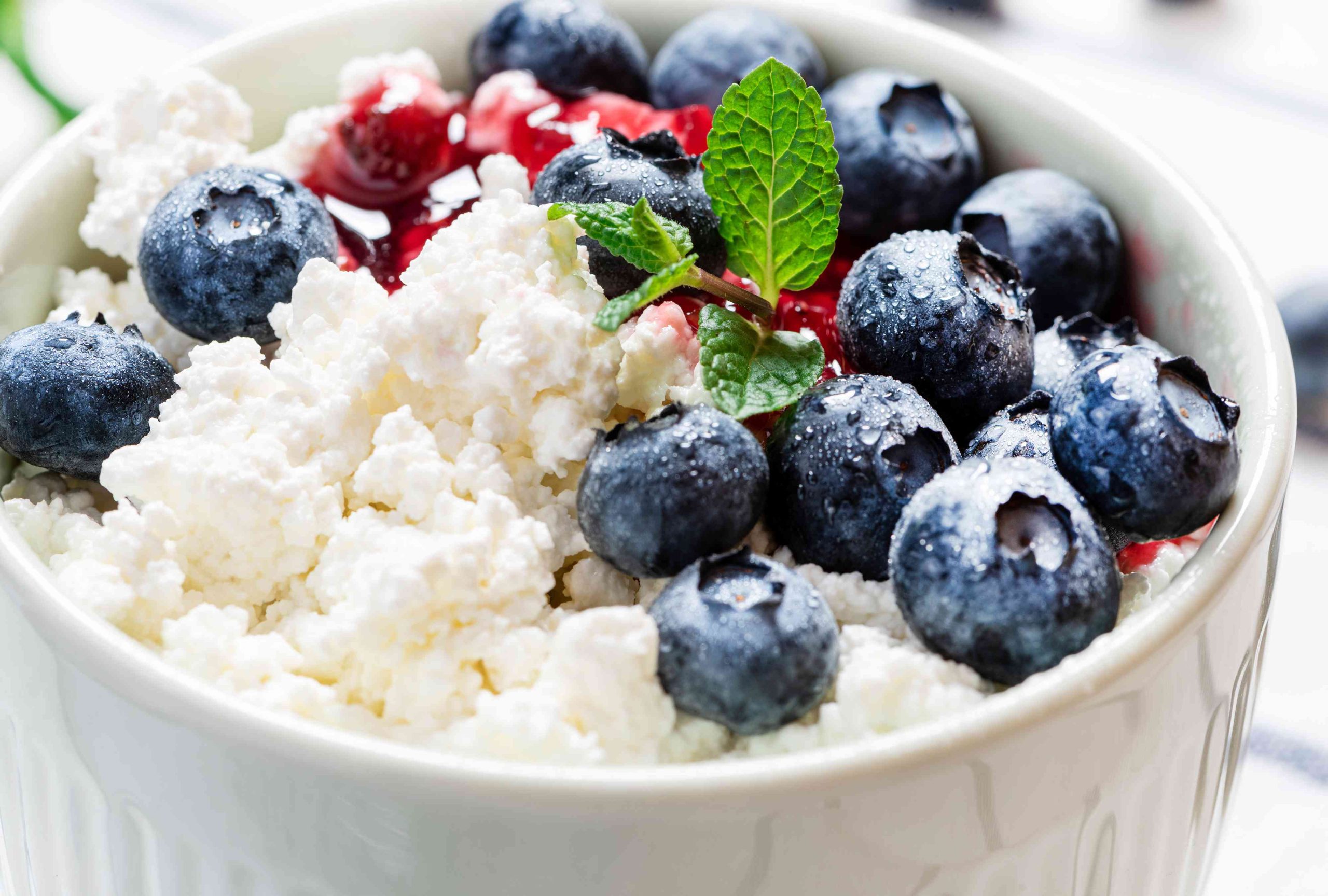
- Cottage cheese, small portion with salt and pepper. Bland, high protein, cold-from-fridge can be easier than warm foods.
- Applesauce or pureed fruit. Very gentle, some natural sugar for energy. Not protein but tolerable.
- Soft-boiled egg. 6g protein, bland, quick to prepare, easily digestible.
- Small protein smoothie. Protein powder, milk, half a banana, ice. Cold temperatures help with nausea; sipping slowly rather than gulping.
- Plain yogurt (low-fat natural). As above, with less protein than Greek but sometimes easier if Skyr feels too dense.
Solid but gentle options (when solids start to feel possible)
- Plain crackers (Saltines, water biscuits, rich tea). Starchy, bland, settles stomachs. Not protein but tolerable as a building block.
- Plain toast (white or seeded if you tolerate). Similar. Can add cottage cheese or scrambled egg if appetite improves.
- Bananas. Easy to digest, potassium, natural sugar. The bland sibling of fruits.
- Soft-cooked chicken (poached breast, shredded). Plain, no seasoning beyond salt. 25g protein in 100g. Eats cold or warm.
- Plain scrambled eggs. Soft texture, 12g protein in 2 eggs, bland when cooked simply.
- Plain tinned tuna in spring water. Cold, 25g protein per sachet, no cooking required.
- Plain boiled potato with a pinch of salt. Starch, potassium, bland enough for upset stomachs.
- Plain rice. Similar. Jasmine rice tends to be gentler than basmati for sensitive stomachs.
- Clear chicken noodle soup. The universal sick-day food works well on flat-appetite days.
Harder to face but still possible (when you’re turning a corner)
- Poached white fish. Cod, haddock. Bland, protein-rich, soft texture. 25g protein in 100g.
- Plain cooked quinoa. Some texture, moderate protein (3g per 80g cooked).
- Plain pasta with a little butter and salt. Starchy, easy to digest.
- Small baked chicken breast with plain potato. The classic gentle meal.
- Plain Babybel cheese. 6g protein, small enough not to be daunting, no preparation.
What to avoid on a no-appetite day
Certain foods that are fine most days amplify nausea or feel actively repulsive when appetite is suppressed. Avoid:
- Fried or greasy food. Fat slows gastric emptying and will sit heavy for hours.
- Rich curries, creamy pastas, or heavy sauces. Same issue — the fat content dominates.
- Spicy food. Amplifies any underlying reflux or queasiness.
- Very sweet food. Triggers aversion in many people on flat-appetite days.
- Strong-smelling foods. Cheese melting on the hob, fish cooking, coffee brewing — the smells themselves can trigger nausea. Cold foods tend to be lower-smell.
- Alcohol. Absolutely no help on a flat-appetite day.
- Caffeine on an empty stomach. Coffee amplifies nausea in many GLP-1 users; switch to herbal tea for the day.
- Large portions of anything. A big plate of any food triggers aversion when appetite is minimal. Small plates, small portions.
The emergency protein playbook
If the whole day is looking like 600 calories and you’re worried about protein loss, here’s the minimum-viable-protein-day playbook:
- Breakfast: half a protein shake (12g protein) + a plain biscuit (2g) = 14g
- Mid-morning: a Skyr yogurt small pot (17g) = 17g
- Lunch: half a tin of tuna in spring water (12g) + a plain cracker = 13g
- Mid-afternoon: a Babybel (6g) = 6g
- Dinner: small bowl of bone broth (10g) + a soft-boiled egg (6g) = 16g
- Evening: rest of the protein shake from breakfast (12g) = 12g
Total: ~78g protein for the day. Below target but enough to prevent muscle loss for one off-day.
The principle: frequent tiny amounts beat one big forced meal. Your stomach accepts small bits more easily when appetite is low.
Temperature, timing, and tricks that help
Some practical techniques that make food more tolerable when appetite is flat:
1. Cold is easier than hot. Cold protein shakes, cold yogurt, cold chicken, cold tuna. Heat amplifies smells which amplifies aversion.
2. Bland is easier than flavoured. Sweet, salty, spicy, acidic — all harder to face than plain. Save the interesting flavours for normal-appetite days.
3. Sip rather than gulp. Even fluids. Slow sipping keeps nausea at bay better than drinking a full glass at once.
4. Eat sitting upright. Gravity matters when gastric emptying is slow. Don’t eat reclined on the sofa.
5. Walk 10 minutes after. Gentle post-meal movement aids digestion and reduces that “it’s just sitting there” feeling.
6. Separate solids and liquids. Some people find drinking during a meal worsens fullness. Have water 20 minutes before or after, not alongside.
7. Small plate trick. Using a small plate psychologically makes a portion look reasonable rather than daunting.
8. Tracking isn’t the priority today. Your MyFitnessPal is not the important thing on a no-appetite day. Just get calories and protein in however you can.
When no-appetite days cluster
One flat-appetite day is normal. Three or four in a row is worth investigating. Possible causes:
1. Dehydration spiral. You ate less yesterday, drank less, now both appetite and hunger signals are further suppressed. Break by forcing 2L of fluid in the first 4 hours of the day.
2. Not enough sodium. Low sodium = low thirst signal = less fluid = less appetite. Salt your water or food; try an electrolyte drink.
3. Dose step too aggressive. If you’ve just stepped from 10mg to 12.5mg and four days later you still can’t face food, message your prescriber about staying at 10mg for another 4 weeks before trying the step up again.
4. Something else going on. Viral illness (particularly norovirus or flu), medication interaction, or unrelated GI issue. Persistent nausea beyond 48 hours warrants a conversation with your prescriber or NHS 111.
The mental side
Two psychological observations:
1. Flat appetite can feel good. After years of food noise, a day where food simply doesn’t interest you can feel like freedom. This is fine in moderation. If you start actively enjoying the under-eating and seeking it out, that’s a red flag for disordered pattern development. Get eyes on it.
2. Don’t moralise the day. “I only ate 800 calories today, good me!” is not the right framing. Under-eating on a GLP-1 isn’t a virtue; it’s an occasional adaptation. Tomorrow the appetite will likely come back and you’ll eat normally.
When to contact your prescriber
- Unable to keep fluid down for more than 12 hours
- Multiple flat-appetite days in a row (3+)
- Persistent nausea or vomiting beyond 24–48 hours
- Severe upper abdominal pain — possible pancreatitis, needs A&E
- Upper-right abdominal pain after meals — possible gallbladder, contact GP
- Signs of dehydration: very dark urine, no urination for 8+ hours, confusion, dizziness
- Weight loss suddenly accelerating beyond 2–3 lb per week
- Any feeling that under-eating is becoming a deliberate or compulsive pattern
For most flat-appetite days none of these apply. For the outliers, get support early.
The mindset that helps most
Treat no-appetite days as weather. They happen. They pass. The job isn’t to force normality through them — it’s to maintain the basics (hydration, some protein, minimal function) until appetite returns. Most flat-appetite days resolve within 24–48 hours with gentle management. Longer stretches warrant attention; single days don’t.
For the full framework on eating through side-effect periods: The Nutrition Stack. For the whole journey: the Complete GLP-1 Weight Loss Guide.
Medical note: general guidance only. Persistent, severe, or escalating symptoms warrant medical attention. If you have a history of eating disorders, flat-appetite days on a GLP-1 can complicate things — talk to a specialist who understands both.
Discover more from Healthy Weight Loss GLP1
Subscribe to get the latest posts sent to your email.