

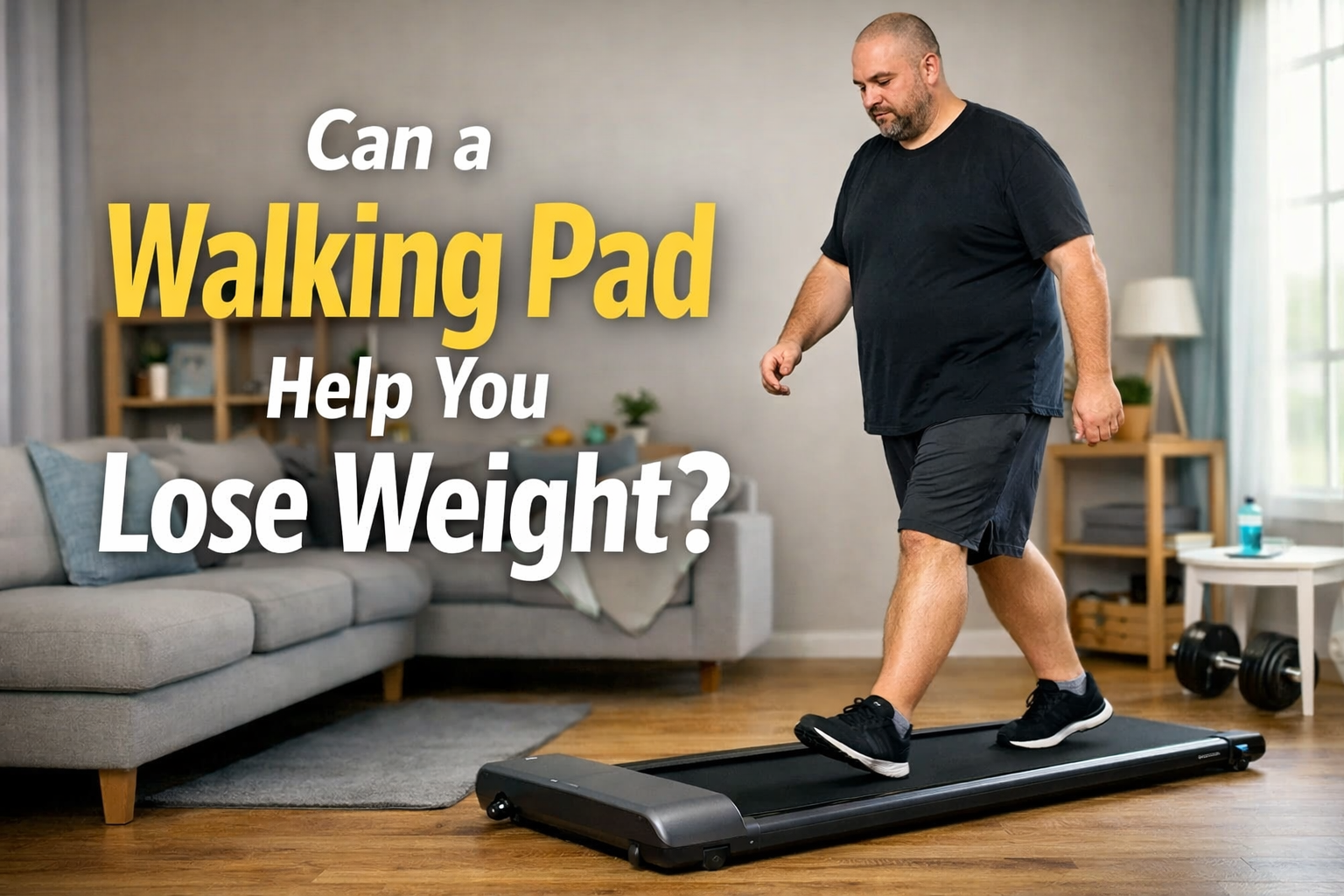
Can a Walking Pad Help You Lose Weight? What Actually Matters
Yes, a walking pad can help support weight loss — but not because it is magic. It helps by making movement easier to repeat, easier to fit into normal life, and easier to keep doing when the weather is bad, time is tight, or motivation is low.
If you want the honest version, a walking pad works best when it becomes part of a bigger routine: more daily movement, better food structure, and habits you can actually sustain. That is where the results come from.
Disclosure: Some links below are affiliate links. If you buy through them, I may earn a small commission at no extra cost to you. I only recommend options that make sense for the reader and the article.
Quick answer: A walking pad can help with weight loss if it consistently increases your daily activity. The biggest win is not “fat burning mode.” It is making movement realistic enough that you actually keep doing it.
Helpful next step: If you are working on food and movement, grab the free 14-day meal plan here.
Why trust this guide?
I’m not writing this as someone trying to sell you a fantasy transformation. I’m writing it as someone who started a serious weight-loss journey after reaching 27 stone (375lbs), and who learned very quickly that consistency beats intensity for most people trying to build better habits.
This site is built around lived experience, practical routines, and evidence-based framing. I also have hands-on experience with the WalkingPad product from my WalkingPad X218 Folding Treadmill review on YouTube.
If you have already read my guides to the best walking pads in the UK, the best under-desk treadmills, or the WalkingPad A1 Pro vs C2 vs Z1 vs P1 comparison, this page answers the bigger question behind all of them: can one of these actually help you lose weight?
Quick answer: Can a walking pad help you lose weight?
Yes, it can support weight loss by encouraging you to move more often and sit less. That matters because regular walking increases activity, uses energy, and is easier to stick with than many forms of exercise.
But a walking pad is not a shortcut. If your food intake stays too high, or you use it twice and then stop, it will not change much. The real benefit is convenience: it removes excuses and helps you build a repeatable routine.
How a walking pad can help with weight loss
1. It makes movement easier to repeat
The biggest strength of a walking pad is not its intensity. It is easy to use at home, in bad weather, during busy weeks, or when you do not feel like going anywhere.
2. It helps reduce long stretches of sitting
For many people, the problem is not “I never exercise.” It is “I sit too much.” A walking pad makes it easier to break that pattern with short, regular walking blocks.
3. It works well for beginners
Walking is lower impact, less intimidating, and more realistic for many people than jumping straight into hard workouts.
4. It fits normal life better than many workout plans
You can use it while watching TV, listening to podcasts, thinking, or doing lighter desk tasks. That makes it easier to keep the habit alive.
What actually matters for weight loss
A walking pad can help, but these are the things that actually move the needle:
- Consistency: using it most days beats doing one huge session and then nothing
- Food intake: movement helps, but food still matters hugely
- Routine fit: the easier it is to use, the more likely you are to stick to it
- Sleep and stress: both can affect appetite, energy, and adherence
- Time over intensity: steady, regular walking often works better than unsustainable “go hard” plans
Important: A walking pad is a support tool, not a promise. Weight loss still depends on the bigger picture: food, routine, sleep, medication effects, stress, and what you can maintain long-term .
A realistic beginner walking pad plan
If you are starting from scratch, you do not need to do an hour a day straight away. A more realistic plan looks like this:
| Week | Target | Goal |
|---|---|---|
| Week 1 | 10 minutes, 5 days | Build the habit |
| Week 2 | 15 to 20 minutes, 5 days | Increase consistency |
| Week 3 | 20 to 30 minutes, most days | Turn it into part of normal life |
| Week 4+ | Add extra short walks during the day | Increase total weekly movement |
The best plan is the one you can repeat. That matters more than trying to impress yourself on day one.
Hands-on WalkingPad review
I’ve also published a hands-on review of the WalkingPad X218 Folding Treadmill. It is not the same as saying “this machine will make you lose weight,” but it does add real-world context around setup, home use, and whether a WalkingPad-style machine actually fits daily life.
Best WalkingPad models for this goal
If your goal is to support weight loss with easier movement at home, these are the models I would narrow it down to:
- WalkingPad A1 Pro: best overall if you want the safest long-term buy
- WalkingPad C2: best if you want to add movement while working from home
- WalkingPad Z1: best if you live in a flat or need compact storage
- WalkingPad P1: best if you want the lowest-cost starting point
If you want the full product comparison first, read my A1 Pro vs C2 vs Z1 vs P1 guide here.
Also searched for
- How long should I walk on a walking pad to lose weight?
- Is 20 minutes a day on a walking pad enough?
- Can you lose belly fat by walking every day?
- What speed should I use on a walking pad for fat loss?
- Is a walking pad better than outdoor walking?
- Do I need a treadmill or just a walking pad?
Those are the right questions, because they all come back to one thing: making movement practical enough that you keep doing it.

FAQs
Can a walking pad really help with weight loss?
Yes, if it helps you move more consistently. The biggest benefit is not magic calorie burn. It is making daily walking easier to repeat.
Is 20 minutes a day on a walking pad enough?
It can be a very good start, especially if you are building from a low baseline. The best approach is to start where you can and build up over time.
Is a walking pad better than a treadmill for weight loss?
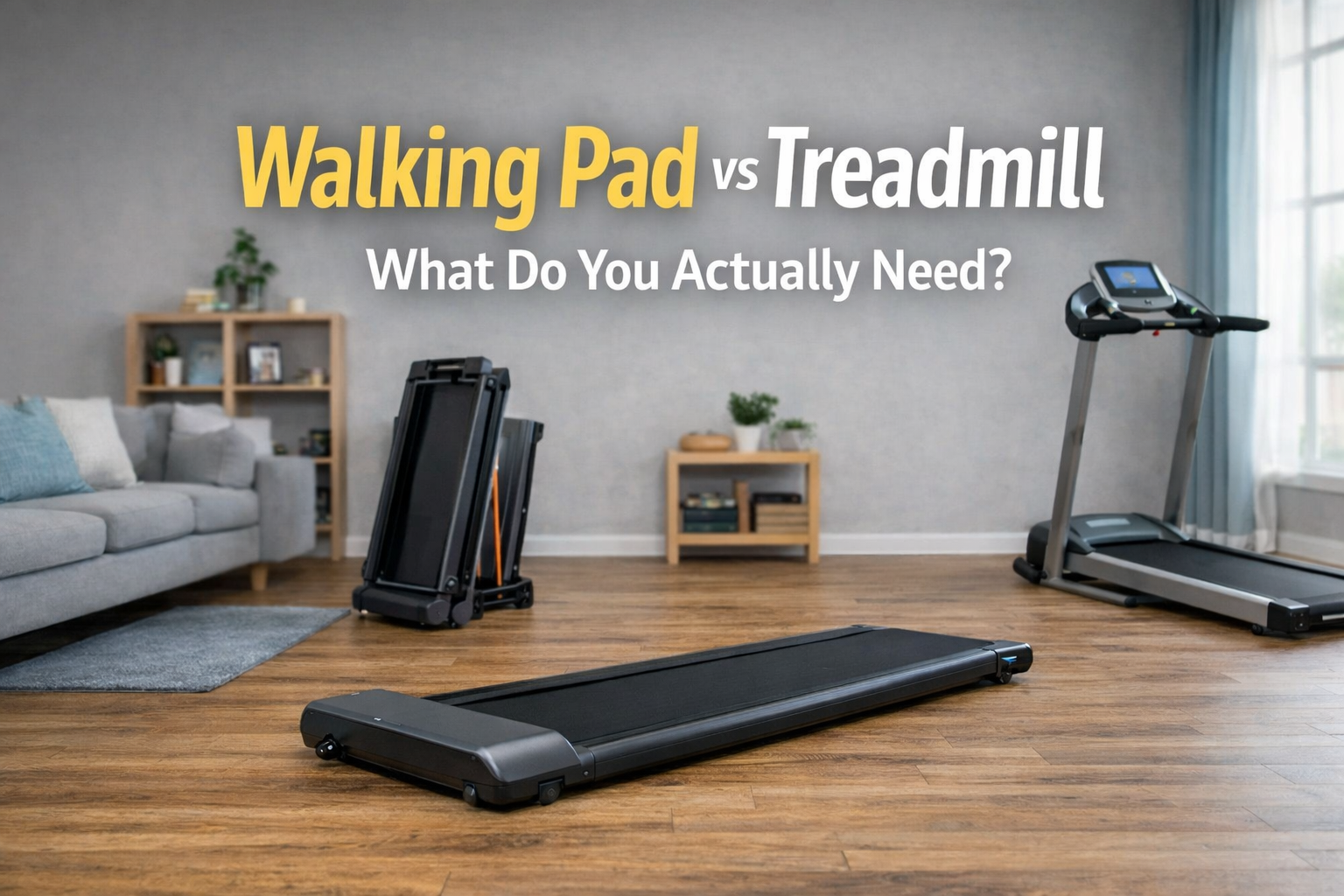
Not automatically. A walking pad is usually better for convenience, small spaces, and repeatability. A treadmill is better if you want jogging or harder training.
What speed should I use on a walking pad for weight loss?
A pace you can maintain consistently is usually more useful than chasing the fastest number. For many people, steady moderate walking is the sweet spot.
Should I buy a walking pad or just walk outside?
Outdoor walking is great. A walking pad becomes useful when weather, time, privacy, or convenience make outdoor walking harder to do consistently.
Related reading
Discover more from Healthy Weight Loss GLP1
Subscribe to get the latest posts sent to your email.
4 thoughts on “Can a Walking Pad Help You Lose Weight?”
Comments are closed.