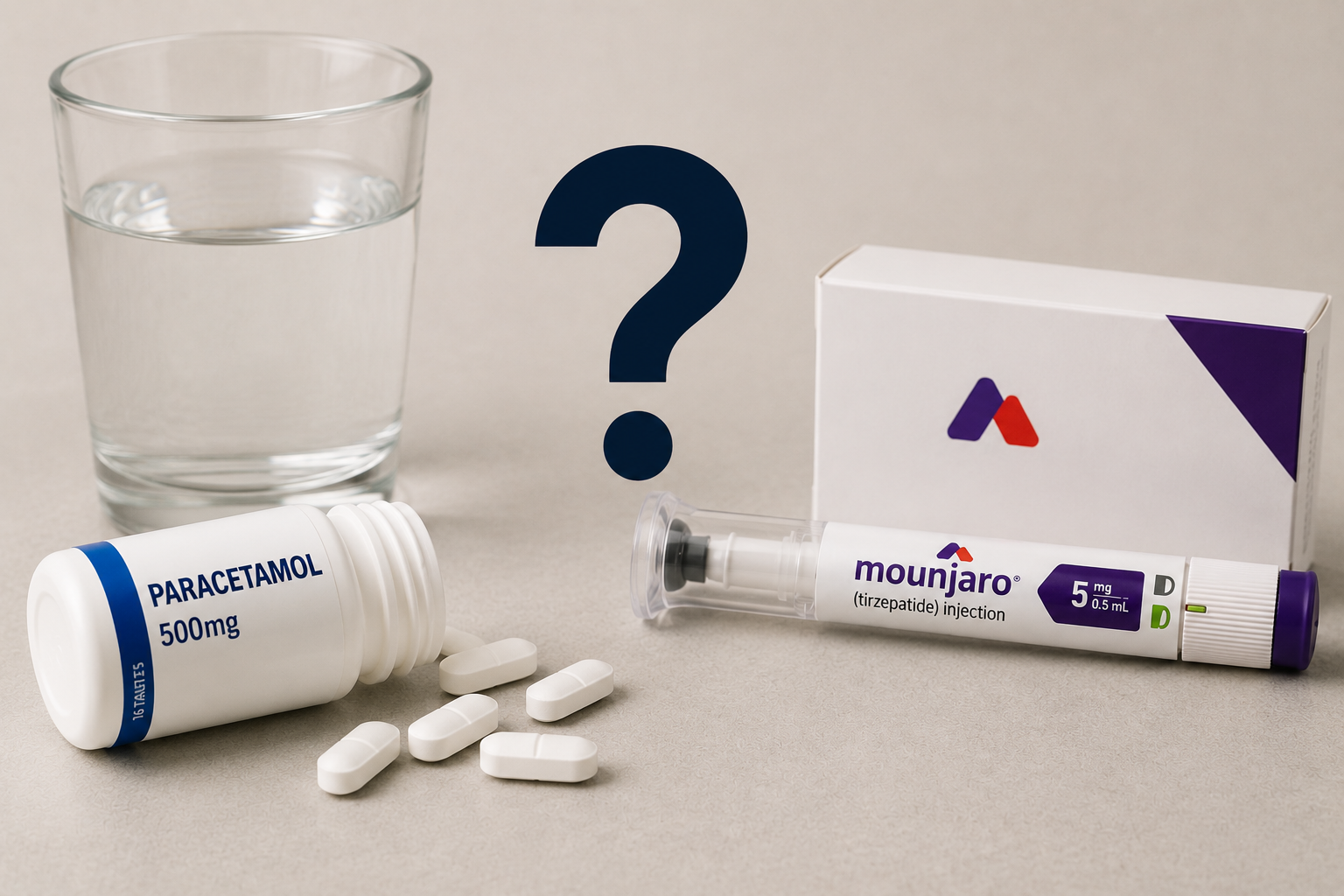


⚕️ Medical Disclaimer
This content is for informational purposes only and does not constitute medical advice. Always consult your GP or prescribing clinician before making changes to your medication, diet, or supplement regimen.
⚡ QUICK ANSWER
Does Mounjaro work for weight loss during menopause?
Yes — GLP-1 medications like Mounjaro (tirzepatide) and Wegovy (semaglutide) are effective for weight loss during and after menopause. Clinical trials show similar percentage weight loss in women over 50 compared to younger groups, though the absolute fat distribution patterns differ. Menopausal hormonal changes increase belly fat accumulation, and GLP-1 medications specifically target visceral fat reduction alongside overall weight loss.
Menopause is one of the most common triggers for seeking medical support for weight loss in the UK. The hormonal changes of perimenopause and menopause directly affect fat distribution, metabolism, and appetite — making the calorie-in, calorie-out strategies that worked in your 30s significantly less effective. GLP-1 medications address the underlying metabolic mechanisms in a way that lifestyle changes alone often cannot. Here is what the evidence shows specifically for women over 50.
Why Weight Loss Gets Harder After 50 — The Biological Picture
Weight gain during and after menopause is not a failure of willpower. It is a predictable biological response to hormonal changes:
| Hormonal Change | Effect on Weight and Metabolism | Where Fat Goes |
|---|---|---|
| Declining oestrogen | Shifts fat storage from hips and thighs to abdomen; reduces fat burning | Visceral (belly) fat accumulates — metabolically more dangerous than subcutaneous fat |
| Reduced progesterone | Disrupts sleep quality; poor sleep increases ghrelin (hunger hormone) and reduces leptin (satiety hormone) | Increased appetite and reduced ability to feel full |
| Declining testosterone | Accelerated muscle loss with age (sarcopenia); muscle is metabolically active tissue | Reduced resting metabolic rate as muscle mass decreases |
| Insulin resistance increase | Cells respond less efficiently to insulin; more calories converted to fat | Particularly central/abdominal fat accumulation |
| Cortisol sensitivity changes | Stress response becomes more pronounced; cortisol promotes fat storage | Abdominal fat storage under stress conditions |
How GLP-1 Medications Address the Menopausal Weight Gain Mechanism
GLP-1 medications work on several of the mechanisms that make menopausal weight gain hard to reverse:
- Appetite regulation: GLP-1 receptors in the hypothalamus regulate hunger and satiety. By activating these receptors, Mounjaro and Wegovy help restore the ‘full’ signal that declining hormones disrupt
- Insulin sensitivity: Both tirzepatide and semaglutide significantly improve insulin sensitivity — directly addressing one of the core drivers of post-menopausal weight gain
- Visceral fat reduction: Clinical trial data consistently shows GLP-1 medications preferentially reduce visceral (abdominal) fat — exactly the type of fat accumulation most common post-menopause
- Metabolic rate protection: When combined with adequate protein and resistance training, GLP-1-driven weight loss preserves resting metabolic rate better than calorie restriction alone
What Clinical Trials Show for Women Over 50
The SURMOUNT-1 trial for tirzepatide (Mounjaro) and the STEP trials for semaglutide (Wegovy) both included women over 50. Key findings relevant to this group:
| Trial | Finding for Women Over 50 |
|---|---|
| SURMOUNT-1 (tirzepatide) | Women over 50 showed similar percentage weight loss to the overall population (15-21% at highest dose). No clinically meaningful difference by age group. |
| STEP-1 (semaglutide 2.4mg) | Post-menopausal women showed comparable weight loss to pre-menopausal participants. HbA1c and cardiovascular risk markers improved across all age groups. |
| Body composition analysis | Several sub-studies confirm preferential visceral fat reduction regardless of menopausal status — the abdominal fat most associated with menopause responds well to GLP-1 treatment |
Does GLP-1 Interact With HRT?
HRT (Hormone Replacement Therapy) and GLP-1 medications are frequently used together in the UK. Current evidence does not suggest a clinically significant negative interaction between the two. Some considerations:
- Oral HRT slightly increases the risk of blood clots (venous thromboembolism) — significant weight loss further reduces this risk, so GLP-1 treatment may actually improve the benefit-risk profile of HRT
- Transdermal HRT (patches, gels) has lower clot risk than oral — often preferred when combining with GLP-1 medication
- Some women report that managing menopausal symptoms with HRT makes GLP-1 treatment more tolerable, as good sleep and reduced hot flushes improve energy levels and reduce appetite dysregulation
- Always discuss both medications with the same clinician — your GP or menopause specialist is best placed to review the full picture
💡 HRT and GLP-1 Can Work Well Together
Many women over 50 use HRT to manage menopausal symptoms and GLP-1 medication for weight management simultaneously. They address different aspects of the menopausal picture — one for hormonal symptoms, one for metabolic changes. Neither replaces the other.
Managing Side Effects Over 50 — What’s Different
GLP-1 side effects do not differ significantly by age, but some aspects of management are particularly relevant for women over 50:
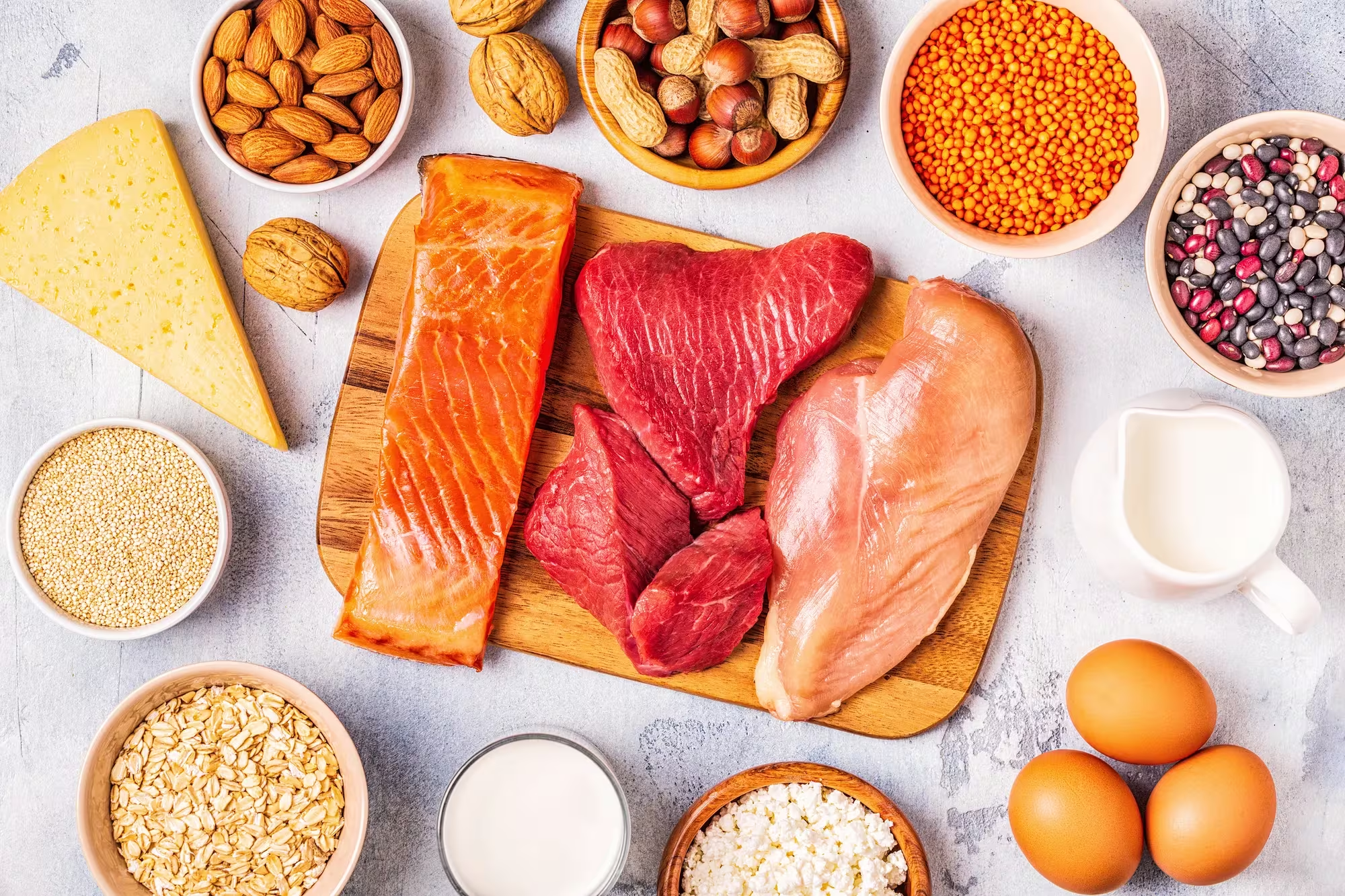
- Muscle and bone protection are critical. With already-declining muscle mass from age-related sarcopenia, preventing further muscle loss is even more important. Protein targets and resistance training should be taken seriously.
- Vitamin D and bone health. Post-menopausal women have elevated fracture risk. Lily & Loaf Vitamin D3+K2 (use code ALAN10 for 10% off) — vitamin D supports bone health alongside its other benefits on GLP-1.
- Electrolytes matter more. Reduced food intake on GLP-1 can deplete electrolytes that are already under pressure from hormonal changes. Hydration and electrolytes on GLP-1 — particularly important.
- Hair thinning: Hair loss on GLP-1 is more common in women over 50 who may already be experiencing menopausal hair thinning. Protein and biotin support are worth prioritising.
Realistic Expectations — What Does Weight Loss Look Like Over 50?
Clinical trial data shows women over 50 achieve broadly similar percentage weight loss to younger groups. In practice, the timeline can feel slower because:
- Lower resting metabolic rate means a smaller calorie deficit per day at the same food intake
- The hormonal environment of menopause actively works against fat loss from certain areas, particularly the abdomen — this fat does shift, but more gradually
- Sleep disruption from menopause symptoms can blunt the effectiveness of any weight loss intervention
Realistic expectations: 0.5-1.5kg per week in the active phase, with overall results similar to the trials (10-20% of body weight over 12-18 months). See How Long Does It Take to Lose a Stone UK? for a realistic timeline guide.
RECOMMENDED SUPPLEMENTS
Lily & Loaf — Quality Supplements for GLP-1 Users
The Lily & Loaf Daily Essentials Bundle is particularly well-suited for women over 50 on GLP-1 — covering bone health, energy, gut support, and immune function.
📚 RELATED READING
Some links in this post are affiliate links. If you purchase through them, I may earn a small commission at no extra cost to you. I only recommend products I use myself. Use code ALAN10 for 10% off Lily & Loaf. This post is for informational purposes only — always consult your GP for medical advice.
The Muscle Preservation Priority for Women Over 50 on GLP-1
Sarcopenia (age-related muscle loss) accelerates after menopause due to declining oestrogen and testosterone. Combined with the muscle loss risk from GLP-1-driven calorie restriction, women over 50 on Mounjaro or Wegovy have the highest risk of clinically significant muscle loss of any GLP-1 user group. This is not a reason to avoid the medication — it is a reason to take the prevention seriously.
The three non-negotiables for muscle preservation in this group: adequate protein (1.6-2g/kg target body weight), resistance training at least twice weekly, and creatine supplementation — which has specific evidence for reducing muscle loss and supporting strength in older women. Creatine monohydrate UK (3-5g daily) is safe, inexpensive, and well-evidenced for this population.
Sources: Landi et al., 2017: Sarcopenia and oestrogen deficiency · Devries & Phillips, 2014: Creatine supplementation in older women · Nair & Sreekumaran, 2005: GLP-1 and muscle protein metabolism
Discover more from Healthy Weight Loss GLP1
Subscribe to get the latest posts sent to your email.