
Walking Pad vs Outdoor Walking for Weight Loss
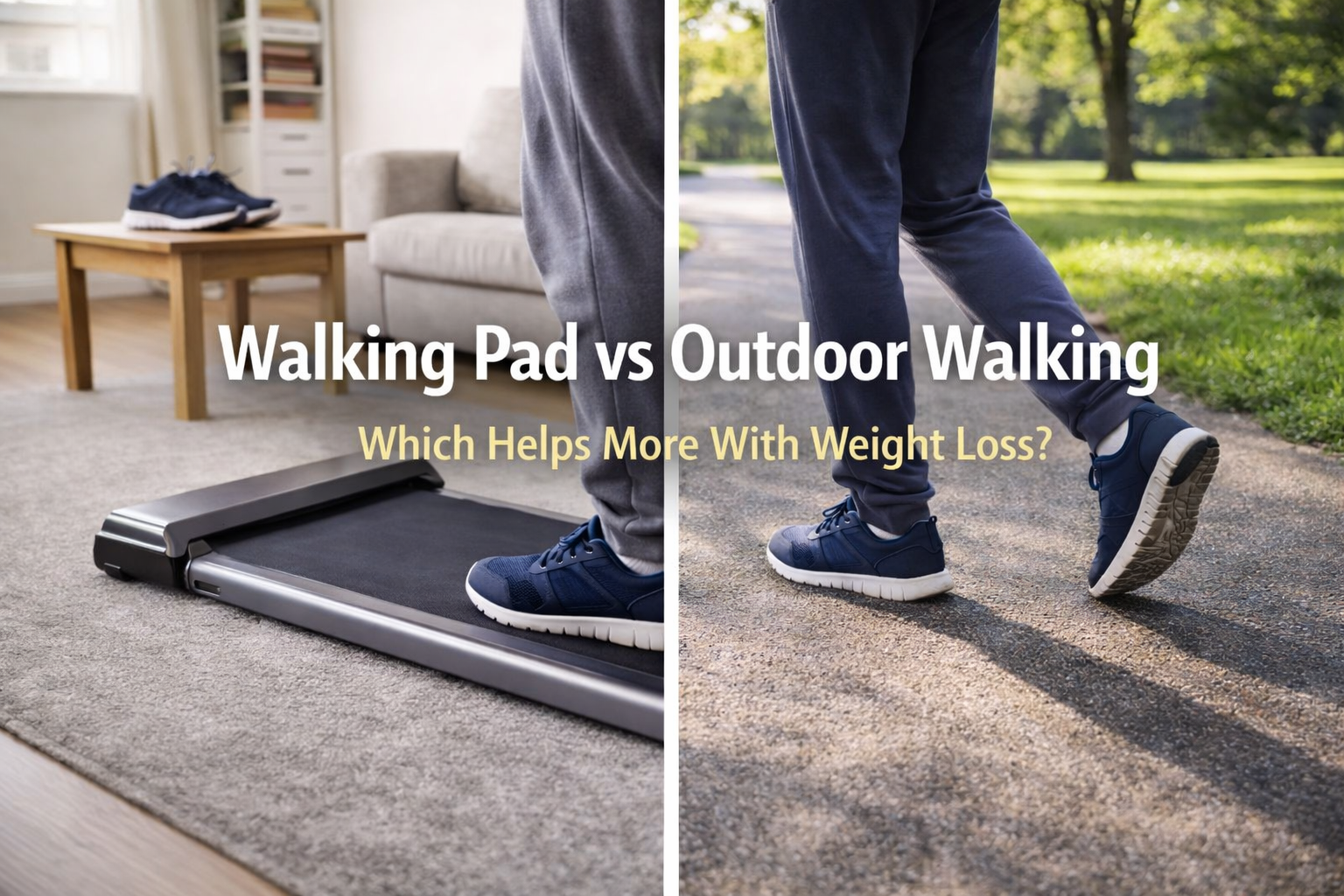
A walking pad is not automatically better than outdoor walking for weight loss, and outdoor walking is not automatically better than a walking pad. Outdoor walking often wins for freshness, variety, and being free. A walking pad often wins for consistency, convenience, privacy, and making movement easier to repeat at home. For many people, the best answer is not one or the other. It is both.
If your real goal is losing weight and moving more consistently, the most useful walking option is usually the one you will actually do often enough. That is why this comparison matters. The “best” choice in theory is not always the one that fits your life in practice.
Jump to:
Why trust this guide?
I write these walking pad guides from the perspective of someone trying to make movement realistic, not performative. My own weight-loss journey started after reaching around 27 stone, and one of the biggest lessons has been that the best routine is not the one that sounds most impressive. It is the one you can actually live with.
That is why this article is not going to pretend a walking pad replaces the outdoors, or that walking outside is always practical. It is about what genuinely helps you move more consistently. You can read more about me here, and if you want help with the food side too, you can also grab my free meal plan here.
Quick answer
If you enjoy walking outside, feel safe doing it, and can do it consistently, outdoor walking is brilliant. It is free, simple, and often mentally refreshing.
If weather, schedule, privacy, energy, childcare, work-from-home life, or motivation often get in the way, a walking pad can be a better weight-loss tool in practice because it removes friction.
That is the real comparison. Not “which one is theoretically superior?” but “which one helps you actually walk more often?”
Walking pad vs outdoor walking: at a glance
| Question | Walking Pad | Outdoor Walking |
|---|---|---|
| Best for convenience | Excellent | Good |
| Best for being free | No | Excellent |
| Best for weather-proof consistency | Excellent | No |
| Best for mental variety and fresh air | Limited | Excellent |
| Best for privacy | Excellent | Depends |
| Best for home workers | Excellent | Depends on schedule |
| Best for small movement breaks | Excellent | Good |
| Best for all-round lifestyle flexibility | Good | Good |
Where outdoor walking wins
Outdoor walking has a lot going for it, and it would be silly to pretend otherwise.
First, it is free. You do not need to buy a machine, find storage space, or think about setup. If you can leave the house and walk safely, the barrier to entry can be very low.
Second, it often feels better psychologically. Outdoor walking gives you fresh air, natural light, visual variety, and a break from the walls of home. For many people, that mental shift makes the habit feel less like “exercise” and more like relief.
Third, outdoor walking can naturally encourage a slightly brisker pace, especially if you are walking with purpose rather than drifting around a room.
Outdoor walking may be the better fit if you:
- already enjoy walking outside
- have safe, accessible walking routes nearby
- want a mood boost as well as movement
- do not want to buy or store a machine
- find indoor walking boring
NHS walking guidance strongly supports walking as a simple, free, accessible form of activity and notes that even brisk 10-minute walks have benefits. That makes outdoor walking a very strong option when it is practical. :contentReference[oaicite:3]{index=3}
Where walking pads win
This is where walking pads become much more than a “lazy option.”
Walking pads win when real life gets in the way of ideal routines. Rain. Cold. Darkness. Busy workdays. Childcare. Feeling self-conscious. Not wanting to leave the house. Wanting to walk during emails, calls, or TV time. All of those things matter.
A walking pad is not better because it is more exciting. It is better when it helps you remove friction and walk anyway. That is a huge deal if your biggest struggle is consistency rather than willingness.
Walking pads may be the better fit if you:
- work from home and sit too much
- need a weather-proof routine
- want more privacy
- struggle to fit walks into a busy day
- want to build a habit from a very low baseline
- need a low-friction option for evenings or short breaks
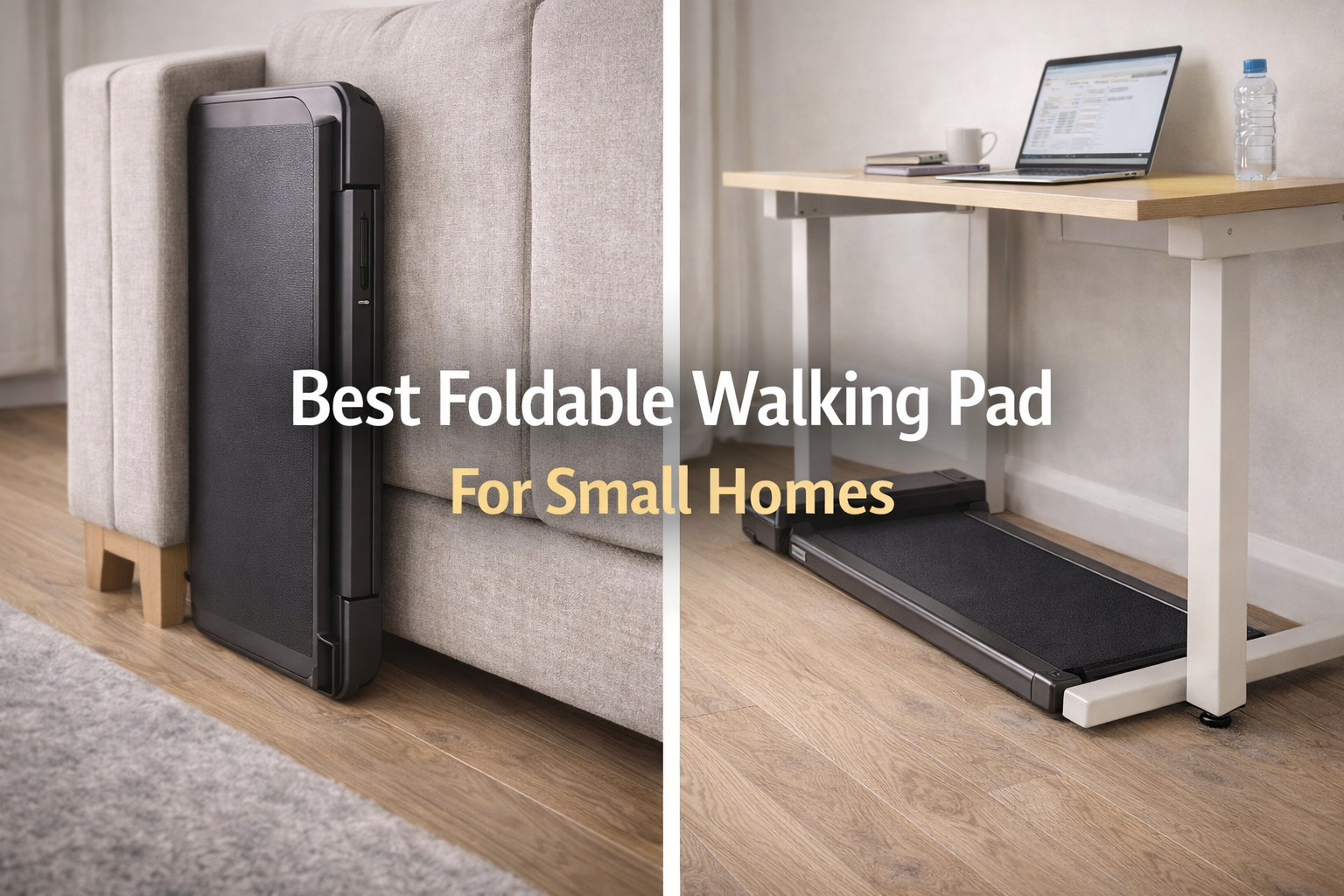
WalkingPad’s own UK positioning leans into exactly these strengths: home practicality, storage, indoor use, and walking-focused designs for UK spaces. :contentReference[oaicite:4]{index=4}
Which burns more calories?
In simple terms, walking is walking. If pace, body size, time, and effort are broadly similar, the calorie difference between walking on a pad and walking outside is not likely to be dramatic enough to matter more than consistency.
Where outdoor walking may sometimes edge ahead is natural variation. Slight hills, wind, route changes, and purposeful walking can increase effort without you thinking too hard about it. But that does not make a walking pad ineffective.
Where a walking pad often wins is repeatability. A slightly “less perfect” walk done five or six times a week can easily beat a theoretically better outdoor walk that keeps getting cancelled by weather, work, or life.
Which is better for consistency?
For a lot of people, the walking pad wins this one clearly.
Outdoor walking sounds simple, but it depends on more variables than people admit. You need decent weather, the right timing, enough energy, the right clothes, enough daylight, safe routes, and often the willingness to leave the house when you are already tired.
A walking pad strips away a lot of that friction. You can use it in short blocks, while watching something, before work, after work, or during lighter desk tasks. That makes it much easier to build a routine, especially if your main problem is not “I hate walking,” but “I keep not getting round to it.”
This is also why walking pads can be so useful for weight loss support. They make movement more available.
Which is better for weight loss?
For weight loss, the winner is usually the option that helps you walk more often and stick to it longer.
Outdoor walking may be better if it lifts your mood, gets you away from the kitchen, and encourages a more energised pace. A walking pad may be better if it helps you actually do the walk instead of postponing it until tomorrow.
That means both can be excellent tools. Neither is magic. Neither overrides your wider food habits. Both can support calorie expenditure, routine, and momentum.
If you are already walking outside regularly and enjoying it, you may not need a walking pad at all. But if you are not walking consistently because real life keeps interrupting the plan, a walking pad can be a very smart buy.
For the fuller weight-loss angle, read Can a Walking Pad Help You Lose Weight?.
Can a walking pad replace outdoor walking?
It can replace some of it, but not necessarily all of it.
A walking pad can replace the movement part very effectively. It can help you get steps in, reduce sitting, and build routine indoors. But it does not replace fresh air, daylight, scenery, or the mental reset that many people get from going outside.
That is why the best answer for many readers is not either-or. It is both. Use outdoor walking when life allows it. Use a walking pad when life does not.
Best answer for most people: use both
If I had to give one practical recommendation, it would be this: treat outdoor walking as your ideal option and a walking pad as your backup that stops the routine collapsing.
That combination is powerful. Outdoor walking gives you variety and headspace. A walking pad gives you consistency and convenience. Together, they solve more problems than either one does alone.
This matters even more if you work from home, live somewhere with unreliable weather, or are trying to rebuild routine from a very low activity level.
Who should choose a walking pad first?
A walking pad is often the smarter first move if you:
- work from home and sit for long periods
- keep skipping outdoor walks because of weather or timing
- want more privacy
- need a beginner-friendly indoor option
- want to walk during calls, TV time, or admin
- struggle with consistency more than willingness
If that sounds like you, start with Best Walking Pads in the UK or Walking Pad Buying Guide: Weight Capacity, Speed, Belt Size and Storage.
Who should just walk outside?
You may not need a walking pad if you:
- already enjoy regular outdoor walking
- have safe, easy access to walking routes
- do not mind weather changes much
- prefer being outdoors to indoor exercise
- do not want another piece of equipment at home
In that case, outdoor walking might already be your best answer. And that is fine. The point of this site is not to force a product where one is not needed. It is to help readers solve the movement problem in real life.
My honest take
Outdoor walking is probably the nicest option when life allows it. A walking pad is probably the most reliable option when life does not.
For weight loss, reliability matters more than theory. That is why I like walking pads so much for the right person. Not because they beat the outdoors, but because they remove excuses and make movement more available.
If you can use both, that is probably the smartest setup. If you need one dependable option at home, a walking pad can be a genuinely useful tool.
People also ask
Is a walking pad as good as walking outside?
For movement and calorie expenditure, it can be very effective. What it does not fully replace is fresh air, scenery, and the psychological lift of being outdoors.
Which burns more calories, a walking pad or outdoor walking?
If speed and time are similar, the difference is usually less important than consistency. Outdoor walking may sometimes feel harder because of terrain or weather, but a walking pad often wins on repeatability.
Can a walking pad replace outdoor walking?
It can replace the indoor movement part very well, but many people still value outdoor walks for headspace and variety.
Is indoor walking enough to lose weight?
It can absolutely support weight loss if it helps you move more consistently and fits into a wider routine you can stick to.
Is outdoor walking better for mental health?
For many people, yes. Fresh air, daylight, and visual variety can make a big difference to mood and motivation.
Is a walking pad worth it if I can walk outside?
It can be, especially if weather, time, privacy, or consistency keep getting in the way of outdoor walking.

FAQ
Should I buy a walking pad or just walk outside?
If you already walk outside consistently and enjoy it, you may not need one. If you keep skipping walks because of real-life friction, a walking pad can be a smart investment.
Is a walking pad better for weight loss than outdoor walking?
Not automatically. It is better when it helps you move more often and stick to the habit more consistently.
Can I do both outdoor walking and walking pad sessions?
Yes, and for many people that is the best setup. Outdoor walking for variety, walking pad for consistency.
Does outdoor walking count more than indoor walking?
No. What counts most is the amount, intensity, and consistency of movement you do over time.
Is a walking pad good for rainy days and winter?
Yes. That is one of the biggest reasons people find them helpful. They make walking possible when outdoor conditions are poor.
Can a walking pad help me sit less while working from home?
Yes. That is one of the clearest advantages of a walking pad compared with relying only on outdoor walks.
Related reading
Friendly note: This article is based on public-health guidance, product research, and lived experience rather than personal medical advice. If you have pain, mobility issues, or medical concerns about exercise, get personalised advice before starting a new walking routine.
Discover more from Healthy Weight Loss GLP1
Subscribe to get the latest posts sent to your email.