
One of the things that changed my weight loss journey most was not eating less — it was eating differently. Specifically, it was understanding that what you eat on a calorie deficit matters almost as much as how much you eat. And the single biggest dietary change I made was eating more protein.
Protein kept me fuller. It stopped the constant low-level hunger that made every previous diet feel like a battle. It preserved muscle while I lost fat. And once I understood how much I had been under-eating it — 60–70g per day when I needed over 150g — the gap between what I was doing and what actually works became very clear.
This guide covers everything: how much protein you actually need, the best food sources at every budget, quick practical meal ideas for every part of the day, simple recipes that are genuinely achievable on a busy schedule, and the protein-first approach that makes hitting your target feel effortless rather than obsessive.
📋 On this page
- Why protein is the most important nutrient for weight loss
- How much protein do you actually need
- Best high protein foods in the UK
- Best budget protein sources UK
- High protein breakfasts
- High protein lunches
- High protein dinners
- High protein snacks
- Protein first eating — the approach that simplifies everything
- High protein meal prep UK
- High protein meals without meat
- Eating enough protein when appetite is low
- Protein supplements — when and which
- Common protein mistakes
- High protein meal plan UK
- FAQs
Why protein is the most important nutrient for weight loss
Most diet advice focuses on eating less. Fewer calories, smaller portions, cutting out food groups. That is not wrong — a calorie deficit is the mechanism of fat loss. But what you eat within that deficit determines whether your loss comes from fat or muscle, how hungry you feel, how much your metabolism slows, and how likely you are to sustain the approach long enough to see results.
Protein affects all four of these in ways no other macronutrient does.
Protein has the highest thermic effect
The thermic effect of food (TEF) is the energy your body uses to digest, absorb, and process what you eat. For protein, this is 25–30% of its calorie content — meaning if you eat 200 calories of protein, your body burns 50–60 calories just processing it. The equivalent figure for carbohydrates is 5–10% and for fat is 0–3%.
In practical terms: a high-protein diet burns meaningfully more calories through digestion than a high-carbohydrate or high-fat diet at the same total calorie intake. This is not a small rounding error — it can account for 150–200 extra calories of burn per day.
Protein is the most satiating macronutrient
Protein suppresses ghrelin (the primary hunger hormone) more effectively than carbohydrates or fat, and stimulates fullness hormones including peptide YY and GLP-1 (the body’s naturally produced version). The result is that people eating high protein on a calorie deficit consistently report significantly less hunger than those eating moderate or low protein on the same calories.
Research published in the American Journal of Clinical Nutrition found that increasing protein from 15% to 30% of total calories led to spontaneous reductions in calorie intake of approximately 441 calories per day — without any instructions to eat less. Protein changed appetite biology sufficiently to produce a large, automatic calorie reduction.
Protein preserves muscle during a deficit
During a calorie deficit, the body will break down muscle tissue for energy if protein intake is insufficient. Losing muscle during dieting slows your metabolic rate — each kilogram of muscle you lose reduces your BMR by approximately 13 calories per day, permanently, until that muscle is rebuilt.
Research published in the Journal of the American Medical Association found that people on a calorie deficit who ate high protein preserved significantly more muscle than those eating moderate protein on the same calorie intake. The number on the scales may have been similar — but the body composition outcome was dramatically different.
Protein improves body composition, not just weight
There is an important distinction between losing weight and losing fat. A person who loses 10kg on a low-protein, high-restriction diet loses approximately 4–5kg of fat and 5–6kg of muscle. A person who loses the same 10kg on a high-protein diet with adequate activity loses approximately 8–9kg of fat and 1–2kg of muscle. Both lost “10kg.” One has significantly better health outcomes, higher metabolic rate, and better physical function going forward.
How much protein do you actually need to lose weight?
The official UK reference nutrient intake for protein is 0.75g per kg of body weight — set to prevent deficiency, not to optimise weight loss or muscle preservation during a calorie deficit. For weight loss purposes, this figure is far too low.
The evidence-based range for protein during weight loss is 1.6–2.0g per kg of your target body weight per day. Some research supports going as high as 2.2–2.4g per kg during aggressive deficits or for very active people.
| Current weight | Target weight | Daily protein target (1.6g/kg) | Daily protein target (2.0g/kg) |
|---|---|---|---|
| 12 stone (76kg) | 10 stone (63kg) | 101g | 126g |
| 15 stone (95kg) | 12 stone (76kg) | 122g | 152g |
| 18 stone (114kg) | 14 stone (89kg) | 142g | 178g |
| 22 stone (140kg) | 17 stone (108kg) | 173g | 216g |
| 27 stone (171kg) | 20 stone (127kg) | 203g | 254g |
Note: use target body weight rather than current weight to avoid excessively high targets at very high starting weights.
Does eating more protein mean eating more calories?
Not necessarily. It means shifting the composition of your diet toward protein and away from refined carbohydrates and added fats. Many people find they can increase protein significantly while maintaining or even reducing total calories — because protein’s superior satiety means they naturally eat less of everything else.
Swapping a bowl of sugary cereal (300 calories, 5g protein) for Greek yoghurt with oats (350 calories, 30g protein) adds 25g of protein at approximately the same calorie intake. Replacing a sandwich with white bread for the same filling on one slice of wholegrain with extra chicken adds protein without adding meaningful calories.
Best high protein foods UK — ranked by protein per calorie
| Food | Protein per 100g | Calories per 100g | Protein efficiency | Notes |
|---|---|---|---|---|
| Egg whites | 11g | 52 kcal | ⭐⭐⭐⭐⭐ | Almost pure protein; cheap; versatile |
| Tinned tuna (in water) | 26g | 116 kcal | ⭐⭐⭐⭐⭐ | Cheap, convenient, no cooking needed |
| Chicken breast (cooked) | 31g | 165 kcal | ⭐⭐⭐⭐⭐ | Most versatile high protein food |
| Prawns (cooked) | 24g | 99 kcal | ⭐⭐⭐⭐⭐ | Low calorie, quick to cook |
| Cottage cheese | 11g | 98 kcal | ⭐⭐⭐⭐⭐ | Underrated; high casein protein (slow digesting) |
| Greek yoghurt (0%) | 10g | 57 kcal | ⭐⭐⭐⭐⭐ | Good for breakfast; adds calcium |
| Turkey breast (cooked) | 30g | 157 kcal | ⭐⭐⭐⭐⭐ | Similar to chicken; slightly leaner |
| Tinned sardines | 25g | 185 kcal | ⭐⭐⭐⭐ | Omega-3s included; very cheap |
| Cod / white fish (cooked) | 20g | 105 kcal | ⭐⭐⭐⭐ | Extremely low calorie; mild flavour |
| Whole eggs | 13g | 155 kcal | ⭐⭐⭐⭐ | Complete amino acid profile; filling |
| Salmon (cooked) | 25g | 208 kcal | ⭐⭐⭐⭐ | Higher calorie but omega-3s worthwhile |
| Edamame (cooked) | 11g | 121 kcal | ⭐⭐⭐⭐ | Plant-based; good for vegetarians |
| Lentils (cooked) | 9g | 116 kcal | ⭐⭐⭐ | Protein + fibre; very filling; cheap |
| Chickpeas (cooked) | 9g | 164 kcal | ⭐⭐⭐ | Protein + fibre + complex carbohydrate |
| Skyr (Icelandic yoghurt) | 11g | 65 kcal | ⭐⭐⭐⭐⭐ | Higher protein than Greek yoghurt; widely available in UK |
| Quark | 12g | 67 kcal | ⭐⭐⭐⭐⭐ | Very high protein per calorie; works in cooking |
| Tofu (firm) | 8g | 76 kcal | ⭐⭐⭐ | Plant-based; absorbs flavours well |
| Tempeh | 19g | 193 kcal | ⭐⭐⭐⭐ | Best plant protein source; also provides probiotics |
Best budget protein sources UK — eating high protein cheaply
One of the biggest misconceptions about high protein eating is that it requires expensive protein bars, fancy supplements, and fresh salmon every day. The cheapest protein sources in the UK are also some of the most nutritious.
| Food | Approx UK price | Protein per serving | Cost per 10g protein |
|---|---|---|---|
| Dried red lentils (per 100g cooked) | ~£0.10 | ~9g | ~£0.11 |
| Eggs (medium, per egg) | ~£0.22 | ~6g | ~£0.37 |
| Tinned tuna (145g tin) | ~£0.65 | ~30g | ~£0.22 |
| Tinned sardines (120g tin) | ~£0.75 | ~25g | ~£0.30 |
| Cottage cheese (300g pot) | ~£1.25 | ~33g | ~£0.38 |
| Frozen chicken breast (per 100g) | ~£0.45 | ~31g | ~£0.15 |
| Greek yoghurt 0% (500g) | ~£1.50 | ~50g | ~£0.30 |
| Quark (250g) | ~£0.95 | ~30g | ~£0.32 |
| Dried chickpeas (per 100g cooked) | ~£0.12 | ~9g | ~£0.13 |
| Frozen cod fillets (per 100g) | ~£0.50 | ~20g | ~£0.25 |
High protein breakfasts for weight loss UK
Breakfast protein is the most underestimated lever in a weight loss diet. Research consistently shows that eating 25–35g of protein at breakfast reduces total calorie intake across the rest of the day significantly — by reducing afternoon and evening hunger and preventing the blood sugar crashes that drive snacking.
Most UK adults eat 5–10g of protein at breakfast — from toast, cereal, or fruit. The jump from 8g to 30g of breakfast protein alone can reduce overall daily intake by 150–300 calories without any other change.
Greek Yoghurt, Oats and Berry Bowl
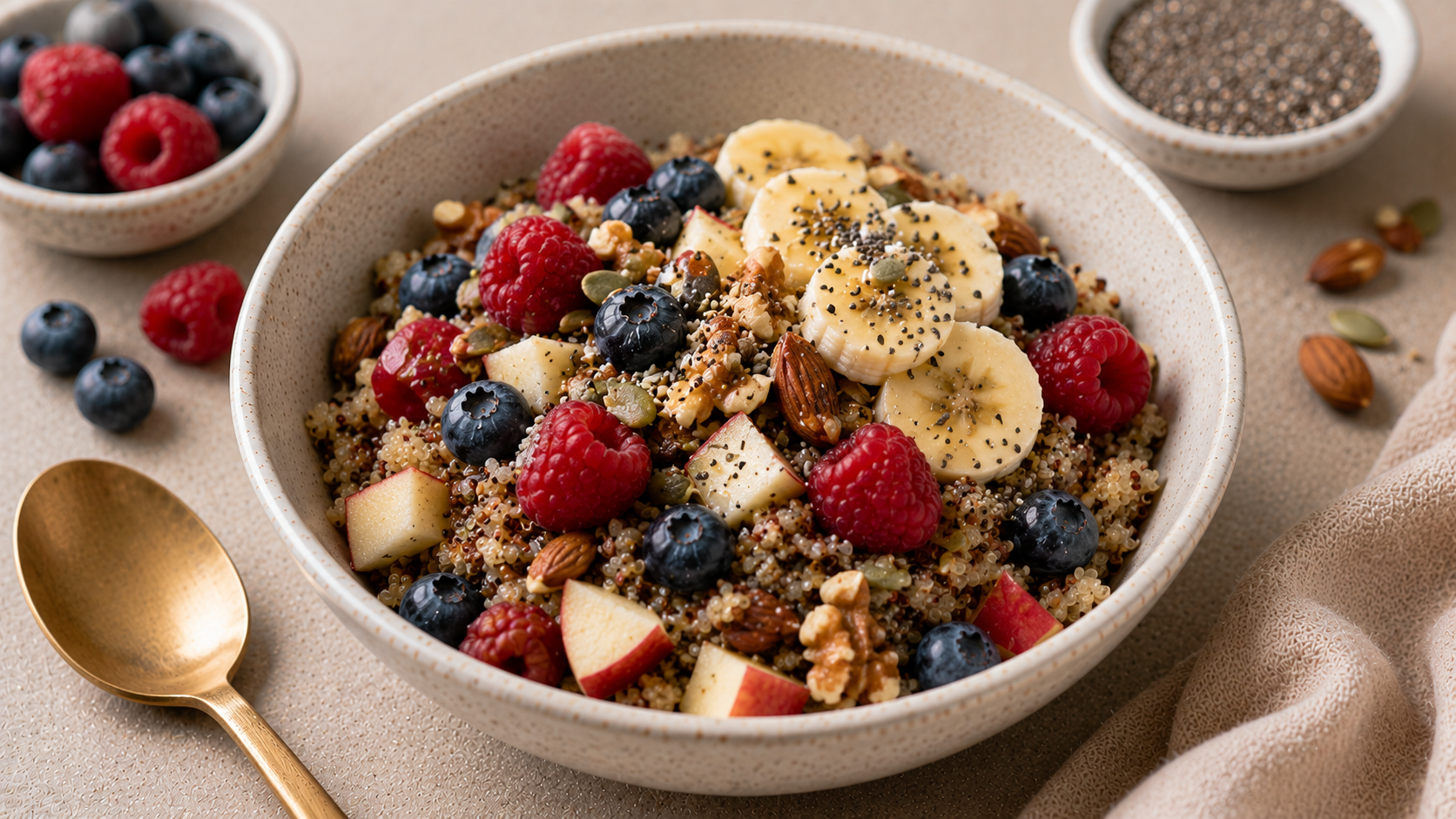
Ingredients: 200g Greek yoghurt (0%), 50g rolled oats (dry), 100g mixed berries (fresh or frozen), 1 tbsp mixed seeds
Method: Layer oats in a bowl, spoon yoghurt on top, add berries and scatter seeds over. For thicker texture, mix oats and yoghurt the night before (overnight oats — the oats soften overnight).
Make it higher protein: add 25g vanilla protein powder to the yoghurt and mix before layering — pushes protein to 50g+ per serving.
Scrambled Eggs with Smoked Salmon
Ingredients: 3 whole eggs + 2 egg whites, 60g smoked salmon, 1 slice wholegrain toast, handful of spinach, black pepper
Method: Whisk eggs and egg whites together. Cook over low heat in a non-stick pan, stirring constantly until just set. Serve on toast with smoked salmon alongside and spinach on the side.
Why it works: the combination of whole eggs, egg whites, and smoked salmon delivers a complete amino acid profile with omega-3 fatty acids — excellent nutritional coverage for a morning meal.
Cottage Cheese Toast with Cucumber and Tomato
Ingredients: 150g cottage cheese, 2 slices wholegrain bread, half a cucumber (sliced), cherry tomatoes, salt, pepper, optional chilli flakes
Method: Toast the bread. Spread cottage cheese generously on each slice. Top with cucumber and tomatoes. Season with salt, pepper, and chilli flakes if using.
Budget version: cottage cheese is one of the cheapest high-protein foods in UK supermarkets — approximately £1.25 for 300g — making this one of the most cost-effective breakfasts available.
High Protein Overnight Oats
Ingredients: 60g rolled oats, 200ml skimmed or semi-skimmed milk, 150g Greek yoghurt (0%), 25g protein powder (vanilla or unflavoured), 1 tbsp chia seeds, 100g fruit of choice
Method: Mix oats, milk, yoghurt, protein powder, and chia seeds in a jar or bowl. Stir well, cover, and refrigerate overnight. Add fruit in the morning before eating. Can be made 3–4 days in advance and refrigerated.
Why it works: prepared the night before, requires zero morning effort, and provides nearly half a day’s protein target in one meal. Ideal for busy weekdays.
Quark Pancakes
Ingredients: 150g quark, 2 whole eggs, 40g oat flour (or blended rolled oats), 1 tsp baking powder, pinch of salt, optional vanilla extract
Method: Mix all ingredients until smooth. Heat a non-stick pan over medium heat. Pour small circles of batter and cook 2–3 minutes per side until golden. Serve with berries or a drizzle of honey.
Weekend favourite: feels indulgent, takes 12 minutes, provides excellent protein. The quark creates a texture remarkably similar to American-style pancakes.
High protein lunches for weight loss UK
Lunch is typically where protein intake falls apart for most UK adults — a sandwich with one thin layer of filling provides 10–15g of protein while consuming 400–600 calories. Building lunch around a substantial protein source rather than bread changes the nutritional profile significantly.
Big Tuna and Bean Salad
Ingredients: 2 tins tuna in water (drained), 1 tin mixed beans (drained and rinsed), half a red onion (diced), 2 celery sticks (sliced), handful cherry tomatoes, juice of 1 lemon, 1 tbsp olive oil, salt, pepper, fresh parsley if available
Method: Combine all ingredients in a bowl. Toss with lemon juice, olive oil, salt and pepper. Can be made ahead and stored in the fridge for up to 2 days.
Why it works: tinned tuna and beans together deliver extraordinary protein for the effort and cost involved. One of the simplest, cheapest, most filling lunches available.
Chicken and Hummus Wrap
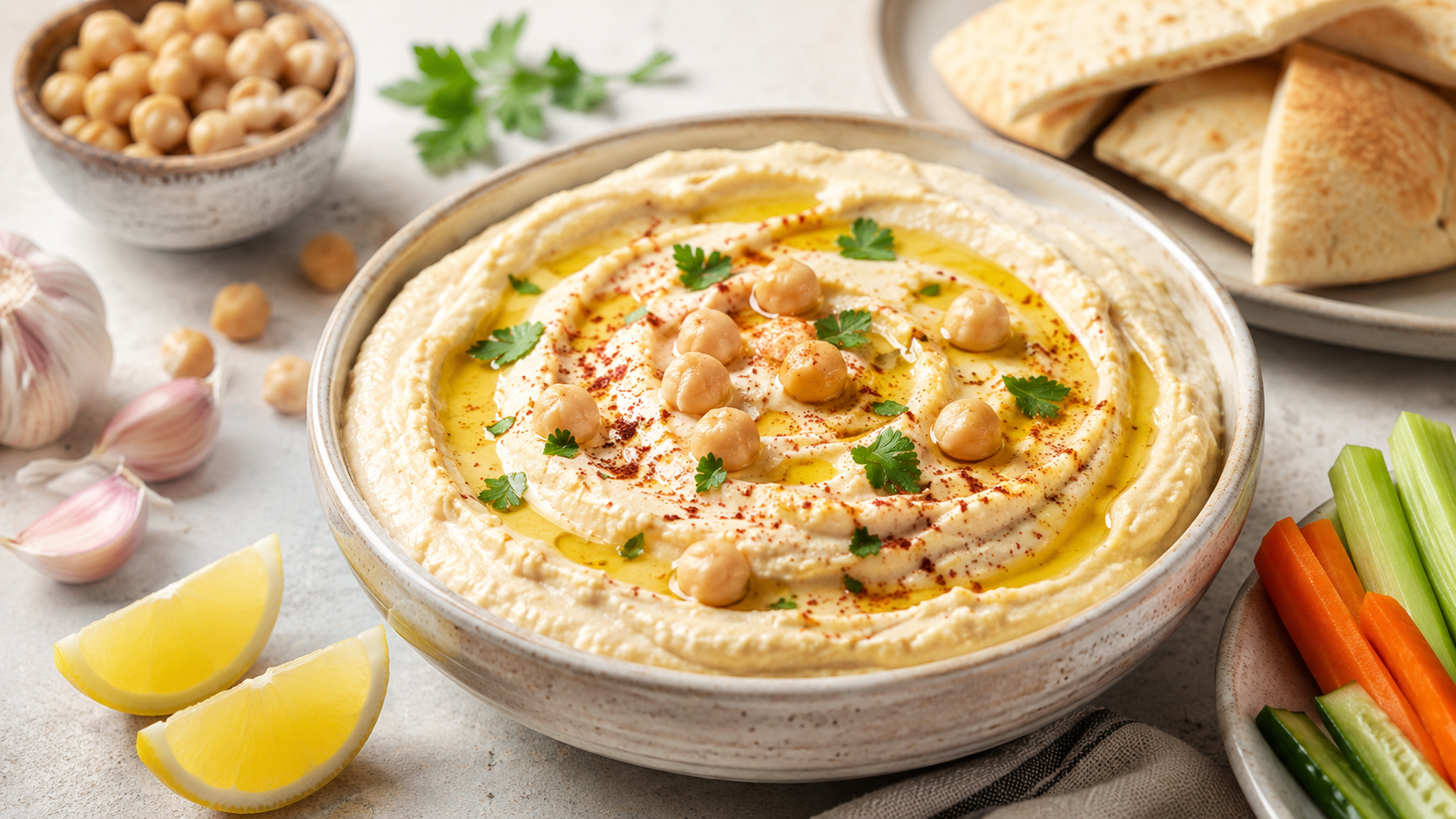
Ingredients: 150g cooked chicken breast (sliced), 1 large wholegrain wrap, 3 tbsp hummus, large handful mixed leaves, half a roasted red pepper (from a jar), cucumber slices, squeeze of lemon
Method: Spread hummus on the wrap. Layer leaves, chicken, red pepper, and cucumber. Squeeze lemon over, roll tightly, and slice in half.
Meal prep tip: batch cook chicken breast at the start of the week (oven at 200°C for 20–25 minutes) and keep refrigerated for up to 4 days. This reduces daily lunch prep to 3 minutes.
Prawn and Edamame Noodle Bowl
Ingredients: 150g cooked king prawns, 100g frozen edamame (defrosted), 1 portion rice noodles or soba noodles, 2 spring onions, 1 tbsp soy sauce, 1 tsp sesame oil, 1 tsp rice vinegar, 1 tsp grated ginger, chilli flakes, 1 tbsp sesame seeds
Method: Cook noodles per packet instructions. Mix soy sauce, sesame oil, vinegar, and ginger for dressing. Combine warm noodles with prawns and edamame. Add dressing, spring onions, sesame seeds, and chilli.
Cottage Cheese and Smoked Mackerel Bowl
Ingredients: 150g cottage cheese, 1 smoked mackerel fillet (approx 80g, flaked), cucumber (half, diced), cherry tomatoes, radishes, 2 oatcakes, lemon juice, dill if available
Method: Arrange cottage cheese, flaked mackerel, and vegetables in a bowl. Squeeze lemon over, add dill. Serve with oatcakes on the side.
Nutritional bonus: smoked mackerel is an excellent omega-3 source. The combination of cottage cheese and mackerel delivers both fast-digesting whey-type and slow-digesting casein proteins.
Lentil and Roasted Vegetable Salad
Ingredients: 200g cooked green or puy lentils (tinned works fine), 1 courgette, 1 red pepper, 1 red onion, 100g cherry tomatoes, 2 tbsp olive oil, 1 tsp cumin, 1 tsp paprika, 50g feta cheese (optional), handful of fresh mint or parsley, balsamic vinegar
Method: Chop vegetables, toss with olive oil and spices. Roast at 200°C for 20 minutes. Combine with lentils, crumble feta over, add herbs and a drizzle of balsamic.
Vegetarian option: add 100g of halloumi (grilled) to push protein to 35g while keeping the meal vegetarian.

High protein dinners for weight loss UK
Dinner is typically the meal where most people eat adequate protein — the challenge is avoiding the high-calorie additions (heavy sauces, large portions of rice or pasta, cheese) that can push a dinner from 400 to 800 calories without adding meaningful protein.
One-Pan Lemon Herb Chicken with Roasted Vegetables
Ingredients (serves 2): 2 chicken breasts (approx 150g each), 1 courgette, 1 red pepper, 200g tenderstem broccoli, 1 red onion, 2 tbsp olive oil, juice and zest of 1 lemon, 2 garlic cloves (crushed), 1 tsp dried oregano, 1 tsp paprika, salt and pepper
Method: Preheat oven to 200°C. Mix olive oil, lemon, garlic, and spices. Toss vegetables in half the mix on a large tray. Coat chicken in the rest. Place chicken on top of vegetables. Roast 25–28 minutes until chicken is cooked through (internal temp 75°C). Rest 3 minutes before serving.
Meal prep: double or triple the recipe and store portions in the fridge for up to 3 days. Reheats well in a microwave or oven.
Quick Prawn Stir Fry
Ingredients (serves 2): 300g raw king prawns (peeled), 1 bag stir fry vegetables (400g), 2 portions noodles or 200g cooked rice, 3 tbsp soy sauce, 1 tbsp oyster sauce, 1 tsp sesame oil, 2 garlic cloves, 1 tsp ginger, 2 spring onions, chilli to taste
Method: Heat wok on high. Add garlic and ginger for 30 seconds. Add prawns, cook 2 minutes until pink. Add vegetables, stir fry 3–4 minutes. Add sauces and sesame oil. Serve immediately over noodles or rice.
Why it works: ready in 15 minutes, minimal washing up, and significantly cheaper than a takeaway equivalent that would contain twice the calories and half the protein.
Baked Salmon with Sweet Potato and Green Beans
Ingredients (serves 2): 2 salmon fillets (approx 150g each), 2 medium sweet potatoes (cubed), 200g green beans, 1 tbsp olive oil, 1 tbsp soy sauce, 1 tsp honey, 1 tsp garlic paste, 1 tsp ginger paste, sesame seeds
Method: Preheat oven to 200°C. Toss sweet potato in olive oil on a baking tray. Roast 10 minutes. Mix soy sauce, honey, garlic, and ginger. Add salmon to the tray, glaze with the sauce. Add green beans alongside. Roast a further 12–14 minutes. Scatter sesame seeds before serving.
Nutritional note: salmon provides omega-3 fatty acids that support leptin sensitivity, cardiovascular health, and inflammation reduction — benefits that go beyond the protein content.
Turkey and Lentil Bolognese
Ingredients (serves 4): 500g turkey mince, 1 tin green lentils (drained), 1 tin chopped tomatoes, 1 tin tomato passata, 1 onion (diced), 2 garlic cloves, 2 carrots (grated), 2 celery sticks (diced), 1 tsp olive oil, 2 tsp mixed herbs, 1 tsp Worcestershire sauce, salt, pepper. Serve with 80g dry pasta per person or courgetti.
Method: Soften onion, carrot, and celery in olive oil for 5 minutes. Add garlic, cook 1 minute. Add mince, break up and brown. Add lentils, tomatoes, passata, herbs, Worcestershire sauce. Simmer 20 minutes. Serve over pasta.
Why turkey and lentils: turkey mince is leaner than beef and significantly cheaper than ground beef in most UK supermarkets. Adding lentils boosts fibre and protein while reducing cost per serving — four generous portions for approximately £5–6.
Egg Fried Rice with Edamame and Tofu
Ingredients (serves 2): 200g cooked and cooled rice (day-old rice works best), 3 eggs (beaten), 200g firm tofu (cubed), 100g edamame (frozen, defrosted), 2 spring onions, 1 carrot (grated), 3 tbsp soy sauce, 1 tsp sesame oil, 1 tsp vegetable oil, garlic, ginger
Method: Heat oil in wok until very hot. Add tofu, cook until golden (4–5 minutes). Remove. Add garlic, ginger, carrot, spring onions. Add rice and break up, fry 2–3 minutes. Push rice to one side, scramble eggs on the other side. Combine everything, add edamame, tofu, soy sauce, and sesame oil.
Vegetarian-friendly: fully plant-based if using vegetable oil. Adding an extra 100g of edamame pushes protein to 37g per serving.
High protein snacks for weight loss UK
Snacks are where protein intake most commonly falls apart — and where the decision to eat a 300 calorie biscuit packet instead of a 150 calorie cottage cheese pot means the difference between hitting your target and missing it by 200 calories and 20g of protein simultaneously.
| Snack | Protein | Approx calories | Prep time | Cost |
|---|---|---|---|---|
| 150g cottage cheese + cucumber slices | 17g | ~130 kcal | 1 min | ~45p |
| 2 hard-boiled eggs | 12g | ~155 kcal | 10 min (can batch cook) | ~45p |
| 120g Greek yoghurt (0%) + handful berries | 12g | ~110 kcal | 1 min | ~55p |
| 1 tin tuna + squeeze lemon on oatcakes | 28g | ~200 kcal | 2 min | ~80p |
| 30g beef jerky (low-sugar) | 15g | ~120 kcal | 0 min | ~90p |
| Protein shake (1 scoop + 300ml water) | 20–25g | ~120 kcal | 1 min | ~50–70p |
| 100g smoked salmon + cream cheese on 1 oatcake | 22g | ~220 kcal | 2 min | ~£1.10 |
| Skyr pot (170g) | 17g | ~100 kcal | 0 min | ~£1.00 |
| 30g almonds + 1 boiled egg | 13g | ~235 kcal | 0 min (if eggs pre-cooked) | ~70p |
| Edamame pods (150g, salted) | 17g | ~185 kcal | 3 min (microwave from frozen) | ~60p |
Protein first eating — the approach that simplifies everything
Protein first eating is a simple approach that makes hitting your daily protein target almost automatic without tracking, counting, or complicated planning.
The rule is exactly what it sounds like: at every meal and snack, eat your protein source first. Before the bread, before the rice, before the side dishes. The protein portion goes on the plate, goes in your mouth, and gets eaten before everything else.
Why protein first works
- Appetite suppression occurs before you overeat: protein takes longer to chew and stimulates fullness hormones faster than carbohydrates or fat. Eating protein first means the satiety signal is already building before you eat the more calorie-dense parts of the meal
- Protein is guaranteed regardless of appetite: for people with reduced appetite — whether from medication, stress, illness, or simply eating less — eating protein first means it is consumed even when appetite gives out before the meal is finished
- No tracking required: you do not need to count grams or log anything. Simply ensure a substantial protein source is at the start of every eating occasion
- Naturally controls carbohydrate and fat portions: eating protein first before filling up on carbohydrates and fats automatically produces smaller portions of the latter without any conscious restriction
How to implement protein first eating
- Choose your protein source before planning any meal — it is the non-negotiable centre around which everything else is built
- Serve protein separately and eat it first if necessary — particularly useful when appetite is low
- At restaurants, order a protein-heavy starter or eat any protein component first before bread or starters
- For snacks, eat the protein component first — the egg before the crackers, the chicken before the chips
High protein meal prep UK — batch cooking for the week
If batch cooking feels like too much to manage every week, Hello Fresh is worth considering as a reliable fallback — pre-portioned ingredients, no food waste, and genuinely high-protein recipe options. Use code ALAN50 for 50% off your first box at hellofresh.co.uk/ALAN50.
The biggest practical barrier to consistently high protein eating is time. Cooking from scratch three times a day is not realistic for most people. Meal prep — preparing protein sources in bulk at the start of the week — removes the friction of daily decisions and makes high-protein eating as easy as opening the fridge.
The high protein meal prep blueprint
Sunday protein prep (takes 45–60 minutes total, covers Monday to Friday):
- Batch cook chicken: 6–8 chicken breasts in the oven at 200°C for 22 minutes with olive oil and seasoning. Store in the fridge for up to 4 days. Use in wraps, salads, bowls, and dinners all week.
- Hard boil 8–10 eggs: keep in their shells in the fridge for up to a week. Instant snack or quick breakfast addition.
- Cook a large pot of lentils: 400g dry lentils makes approximately 1kg cooked. Refrigerate for up to 5 days. Adds protein and fibre to salads, soups, and bowls throughout the week.
- Portion cottage cheese: buy a 500g tub and divide into daily portions with fruit. Ready in 30 seconds per day.
- Stock tinned fish: keep 6–8 tins of tuna, sardines, or mackerel in the cupboard. No cooking required ever.
High protein meal prep recipes
Batch Chicken and Sweet Potato Bowls (4 servings)
Ingredients: 4 chicken breasts, 4 medium sweet potatoes (cubed), 2 courgettes (sliced), 1 red pepper, 200g spinach, 200g hummus, 2 tbsp olive oil, 2 tsp paprika, 1 tsp cumin, 1 tsp garlic powder, salt, pepper
Method: Preheat oven to 200°C. Toss sweet potato and vegetables in olive oil and spices on a large tray. Add chicken seasoned the same way. Roast 25 minutes. Divide into 4 containers: sweet potato base, vegetables, sliced chicken. Add 50g hummus per container. Refrigerate.
High Protein Overnight Oats (4 days prep)
Ingredients (per jar): 60g oats, 200ml milk, 150g Greek yoghurt, 25g protein powder, 1 tbsp chia seeds, 80g fruit of choice
Method: Make 4 jars simultaneously — multiply all ingredients by 4. Mix everything except fruit in each jar. Top with fruit. Refrigerate. Ready each morning — no effort required.
Tuna and Lentil Soup (4 servings)
Ingredients: 3 tins tuna (drained), 2 tins green lentils (drained), 1 tin chopped tomatoes, 1 litre vegetable stock, 2 onions (diced), 3 garlic cloves, 2 carrots (diced), 2 celery sticks, 2 tsp cumin, 1 tsp turmeric, 1 tsp smoked paprika, olive oil, lemon juice, fresh parsley
Method: Soften onion, carrot, and celery in olive oil 5 minutes. Add garlic and spices, cook 1 minute. Add tomatoes, lentils, and stock. Simmer 15 minutes. Add tuna, lemon juice, and parsley. Serve immediately or store.
High protein meals without meat — vegetarian and plant-based options
Plant-based protein sources require more planning than animal sources because most plants have lower protein density and incomplete amino acid profiles (they lack one or more essential amino acids that must be obtained from diet). The solution is combining protein sources — not at every single meal, but across the course of a day — to ensure all essential amino acids are covered.
Best vegetarian protein sources UK
| Food | Protein per 100g (cooked) | Amino acid completeness | Notes |
|---|---|---|---|
| Eggs | 13g | Complete | Best single vegetarian protein source |
| Greek yoghurt (0%) | 10g | Complete | Excellent for breakfast and snacks |
| Cottage cheese | 11g | Complete | Cheap, versatile, slow-digesting casein |
| Quark | 12g | Complete | Higher protein than most dairy options |
| Tempeh | 19g | Complete | Best plant protein; fermented for gut health |
| Tofu (firm) | 8g | Complete | Absorbs any flavour; very versatile |
| Edamame | 11g | Complete | Quick to prepare from frozen |
| Lentils (red/green) | 9g | Incomplete (low methionine) | Combine with grains to complete |
| Chickpeas | 9g | Incomplete | Versatile; also provides fibre |
| Black beans | 8g | Incomplete | Iron, fibre, slow digesting |
| Hemp seeds | 32g | Complete | Add to yoghurt, salads, smoothies |
| Pumpkin seeds | 30g | Near complete | High protein density; good snack |
Spiced Lentil and Egg Dhal
Ingredients (serves 2): 200g red lentils (dry), 1 tin coconut milk (light), 500ml vegetable stock, 4 eggs, 1 onion, 3 garlic cloves, 1 tin chopped tomatoes, 2 tsp cumin, 2 tsp coriander, 1 tsp turmeric, 1 tsp garam masala, 1 tsp chilli flakes, olive oil, fresh coriander, lemon juice
Method: Soften onion and garlic in olive oil 5 minutes. Add spices, cook 1 minute. Add lentils, tomatoes, coconut milk, and stock. Simmer 18 minutes until lentils are soft. Make 4 wells in the dhal and crack an egg into each. Cover and cook 6–8 minutes until eggs are just set. Garnish with coriander and lemon juice.
Tempeh and Vegetable Stir Fry
Ingredients (serves 2): 200g tempeh (cubed), 1 bag stir fry vegetables (400g), 100g edamame (defrosted from frozen), 2 tbsp soy sauce, 1 tbsp sweet chilli sauce, 1 tsp sesame oil, 2 garlic cloves, 1 tsp ginger, 200g cooked rice or noodles
Method: Pan fry tempeh cubes in a little oil until golden on all sides (5–7 minutes). Remove. Stir fry garlic and ginger 30 seconds, add vegetables and edamame, stir fry 4 minutes. Return tempeh, add sauces and sesame oil. Serve over rice or noodles.
Eating enough protein when appetite is low
One of the most common problems for people actively losing weight — particularly those on GLP-1 medication, post-surgery, or dealing with significant stress — is finding it genuinely difficult to eat enough protein because appetite is severely suppressed.
When you can only eat small amounts, what you eat matters enormously. Every calorie needs to deliver maximum nutritional return, with protein as the absolute priority.
High protein strategies for low appetite
- Drink your protein: protein shakes and smoothies deliver 20–40g of protein in a liquid form that is easier to consume than solid food when appetite is low. A shake with milk, Greek yoghurt, and banana can provide 40g+ of protein in under 5 minutes with minimal effort
- Eat protein first at every meal: when you know appetite will give out before the meal is finished, eat the chicken, fish, or eggs first — before the vegetables, before the rice, before anything else
- Choose calorie-dense protein sources: when overall intake is very low, choose protein sources that also provide healthy fats — salmon, whole eggs, nut butter — rather than the leanest possible options
- Protein-fortified everyday foods: add Greek yoghurt to soups and sauces, mix protein powder into porridge, add cottage cheese to mashed potato — boosting protein without adding separate eating occasions
- Small, frequent protein portions: 5–6 small protein snacks across the day may be more manageable than 3 large protein-containing meals
🌿 Lily & Loaf Daily Fuel — protein shake with vitamins, minerals and fibre
Specifically designed for people whose food intake is reduced — whether from appetite-suppressing medication, bariatric surgery, or simply eating less during weight loss. Daily Fuel provides 21g of complete protein per serving with all 8 essential amino acids, plus 15 vitamins and minerals, including iron, B12 and magnesium, and 5g of fibre to support digestion and satiety. A quick, nutritionally complete option when appetite makes it difficult to eat a full protein meal.

Protein supplements — when and which
Protein supplements are useful for closing the gap between what food provides and what is needed — particularly for people eating at a significant calorie deficit, those with reduced appetite, or anyone finding it difficult to reach 140–160g of daily protein through food alone.
They are not necessary — all protein targets can be met through whole foods — but they are often practically useful when cooking time, appetite, or convenience are limiting factors.
Types of protein supplement available in the UK
| Type | Protein per serving | Best for | Notes |
|---|---|---|---|
| Whey protein (concentrate) | 20–25g | Post exercise, general use | Fast digesting; mixes easily; widely available; contains lactose |
| Whey protein (isolate) | 25–27g | Low lactose needs, higher protein per calorie | More processed than concentrate; lower fat and carbs |
| Casein protein | 23–26g | Before bed, between meals | Slow digesting; keeps you fuller longer; good for muscle overnight |
| Plant protein blend | 18–22g | Vegetarian/vegan, dairy-free | Often combines pea, rice, hemp for complete amino profile |
| Pea protein | 20–24g | Vegan, allergen-free | Good amino profile; slightly gritty texture alone |
| Greek yoghurt protein powder | 20–25g | Mixed into food, cooking | Milder flavour; works well in recipes |
How to use protein supplements practically
- Add a scoop to morning porridge or overnight oats — adds 20–25g protein with minimal texture change
- Blend with milk, Greek yoghurt, frozen banana, and spinach for a meal-replacement shake when time is short
- Mix with water for a quick snack between meals when protein intake is behind schedule
- Add to pancake batter, muffins, or energy balls for high-protein baked options
🌿 Lily & Loaf Daily Essentials Bundle — protein, omega-3s, and gut health in one routine
The Daily Essentials Bundle covers the three most important nutritional bases for anyone eating less and trying to lose weight: Daily Fuel (21g protein, 15 vitamins and minerals, 5g fibre), Daily Balance (Omega 3-6-9 for hormonal health and inflammation), and Daily Flora (15 probiotic strains for gut health and B-vitamin support). A practical all-in-one daily routine that closes the most common nutritional gaps that appear during calorie restriction.
Common protein mistakes that slow weight loss
Mistake 1: Eating protein only at dinner
Many UK adults eat minimal protein at breakfast and lunch (toast, cereal, a sandwich) and then a large protein serving at dinner. This approach provides a single daily satiety benefit rather than spreading it across three meals and is associated with less effective muscle protein synthesis compared to evenly distributed intake. Aim for at least 25–30g of protein at each main meal.
Mistake 2: Confusing high protein marketing with actual protein content
“High protein” labelling on food products in the UK means at least 20% of the energy comes from protein. A “high protein” crisp product with 8g of protein per 100g and 550 calories per 100g is technically correctly labelled — but it provides less protein per calorie than a boiled egg. Always check the actual grams per serving rather than trusting the marketing claim.
Mistake 3: Relying on protein bars as primary protein sources
Protein bars are a convenient supplement to protein intake, not a replacement for whole food sources. Most commercial protein bars contain 20–25g protein but also 200–350 calories, significant sugar alcohols (which cause digestive discomfort in larger amounts), and various additives. They are fine as an occasional convenience but should not be the cornerstone of a protein strategy.
Mistake 4: Not tracking protein for the first few weeks
Most people who think they eat enough protein discover — when they actually weigh and track for a week — that they eat significantly less than they thought. A one-to-two week tracking exercise with a food scale is the single most revealing action anyone trying to lose weight can take. After two weeks, most people can estimate portions well enough without continuing to track every day.
Mistake 5: Eating protein without fibre
High protein diets without adequate fibre commonly cause constipation — particularly relevant for people on GLP-1 medication who are already at increased risk. Pair every protein source with substantial vegetables, legumes, or whole grains to maintain gut motility. The target is 30g of fibre per day alongside the protein target.
High protein meal plan UK — what a full day looks like
One of the most searched weight loss queries in the UK is “high protein meal plan” — because knowing what individual foods contain is useful, but seeing how a full day fits together at your actual calorie target is far more practical. Here are four complete daily meal plans at different calorie levels, all hitting 120g+ of protein.
1,400 calorie day — 130g protein
Suitable for: lighter people, women, or anyone on a more aggressive deficit. Do not go below this without medical guidance.
| Meal | What to eat | Calories | Protein |
|---|---|---|---|
| Breakfast | 150g Greek yoghurt (0%) + 40g oats + 80g berries | 310 kcal | 22g |
| Snack | 2 hard-boiled eggs | 155 kcal | 12g |
| Lunch | 1 tin tuna + mixed bean salad (1 tin beans, lemon, olive oil, cucumber) | 380 kcal | 45g |
| Snack | 100g cottage cheese + cucumber | 100 kcal | 11g |
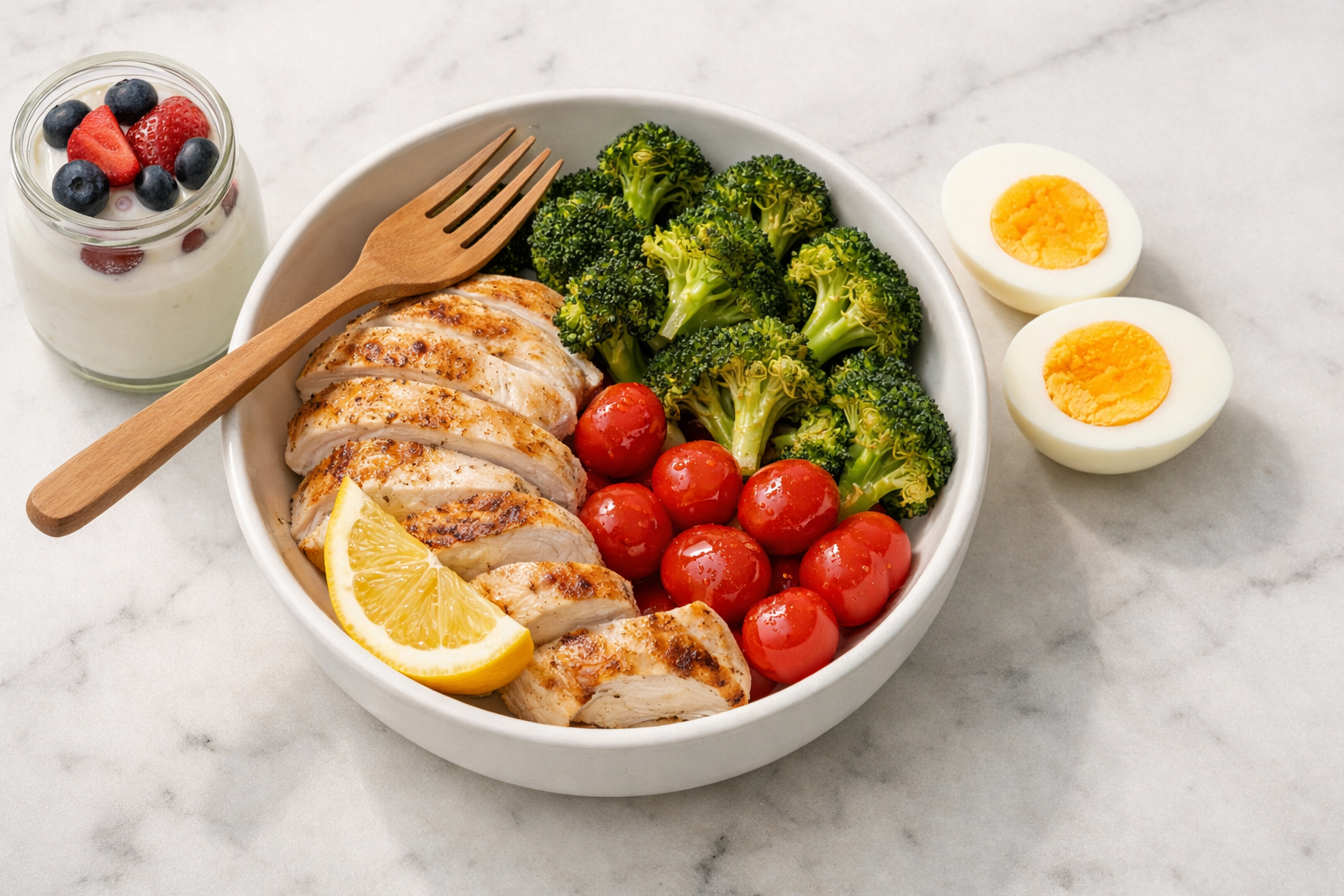
| Dinner | 150g chicken breast + large portion roasted broccoli, courgette and peppers | 350 kcal | 42g |
| Total | 1,295 kcal | 132g |
1,600 calorie day — 140g protein
Suitable for: most women at a moderate deficit, lighter men.
| Meal | What to eat | Calories | Protein |
|---|---|---|---|
| Breakfast | 3 scrambled eggs + 1 slice wholegrain toast + 60g smoked salmon | 420 kcal | 42g |
| Snack | 120g skyr + handful mixed berries | 110 kcal | 13g |
| Lunch | Chicken and hummus wrap (150g chicken, 1 wrap, 3 tbsp hummus, salad) | 480 kcal | 48g |
| Snack | 30g pumpkin seeds | 165 kcal | 9g |
| Dinner | 150g cod fillet + 150g sweet potato + large green salad with lemon dressing | 420 kcal | 34g |
| Total | 1,595 kcal | 146g |
1,800 calorie day — 155g protein
Suitable for: most men at a moderate deficit, active women, heavier people.
| Meal | What to eat | Calories | Protein |
|---|---|---|---|
| Breakfast | High protein overnight oats (60g oats, 200ml milk, 150g Greek yoghurt, 25g protein powder, chia seeds) | 470 kcal | 44g |
| Snack | 150g cottage cheese + 1 apple | 175 kcal | 17g |
| Lunch | Tuna and lentil soup (large bowl, from meal prep recipe above) | 360 kcal | 45g |
| Snack | 2 boiled eggs + 30g almonds | 310 kcal | 19g |
| Dinner | Baked salmon (150g) + 150g sweet potato + 200g green beans | 520 kcal | 40g |
| Total | 1,835 kcal | 165g |
2,000 calorie day — 170g protein
Suitable for: active men, very active women, heavier people at a moderate deficit.
| Meal | What to eat | Calories | Protein |
|---|---|---|---|
| Breakfast | Quark pancakes (150g quark, 2 eggs, 40g oat flour) + berries + 1 tbsp honey | 430 kcal | 38g |
| Snack | Protein shake (1 scoop) + 300ml semi-skimmed milk | 230 kcal | 33g |
| Lunch | Turkey and lentil bolognese (from recipe above) with 80g dry pasta | 520 kcal | 48g |
| Snack | Skyr pot (170g) + 30g mixed seeds | 270 kcal | 24g |
| Dinner | One-pan lemon herb chicken (150g breast) + roasted Mediterranean vegetables + 100g brown rice | 540 kcal | 48g |
| Total | 1,990 kcal | 191g |
The challenge of cooking from scratch every day
The meal plans above work — but they assume time and energy for daily cooking that many people simply do not have. Batch cooking on a Sunday covers most of the week, but there will be evenings where cooking is not realistic: long work days, family demands, low energy, or days where the mental load of planning is one thing too many.
This is where having a fallback matters. The goal is hitting your protein target consistently across 7 days, not perfectly on 5 days and not at all on 2. Having a reliable, genuinely high-quality option for the difficult days is part of a sustainable approach.
Sponsored — Hello Fresh
50% Off Your First Hello Fresh Box
Pre-portioned ingredients, calorie-counted recipes, and high-protein meal options delivered to your door — without the meal planning, supermarket shopping, or food waste. Use code ALAN50 for 50% off your first box, then 20% off your next 4 boxes plus free treats for 3 months.
Watch Alan’s Hello Fresh unboxing and review:
Related reading on this site
- How Long Does It Take to Lose a Stone UK?
- Why Am I Not Losing Weight Even Though I’m Eating Less?
- How Many Steps a Day to Lose Weight UK
- How to Reduce Muscle Loss During Weight Loss
- Supplements for Weight Loss: UK Starter Stack
- Electrolytes and Weight Loss
- What to Eat on GLP-1: Protein-First UK Guide

Frequently asked questions
How much protein do I need to lose weight UK?
Aim for 1.6–2.0g of protein per kg of your target body weight per day. For a 90kg person targeting 75kg, that is 120–150g per day. Most UK adults on a calorie deficit eat 50–80g — roughly half of what is needed to preserve muscle and control hunger effectively.
What are the best high protein foods for weight loss in the UK?
The best options combining high protein content with low calorie density are chicken breast (31g per 100g), tinned tuna (26g), prawns (24g), egg whites (11g), cottage cheese (11g), Greek yoghurt 0% (10g), quark (12g), and cooked lentils (9g). These provide the most protein per calorie, making it easier to hit targets without exceeding your deficit.
What is a high protein breakfast for weight loss UK?
Good options include: Greek yoghurt with oats and berries (28g protein), scrambled eggs with smoked salmon (42g), cottage cheese toast with cucumber (25g), high protein overnight oats with protein powder (44g), or quark pancakes (36g). Aim for at least 25–30g of protein at breakfast to reduce hunger through the rest of the day.
What is protein first eating?
Protein first eating means choosing and eating your protein source first at every meal before carbohydrates or fats. It ensures protein intake is prioritised regardless of total portion size, naturally controls appetite, and is particularly effective for people with reduced appetite from medication, illness, or stress.
Can you eat too much protein when trying to lose weight?
In practical terms, no — it is very difficult to eat enough protein to cause problems during weight loss. The thermic effect of protein (25–30% of its calories burned during digestion) means high protein intake contributes less to caloric surplus than equivalent calories from carbohydrates or fat. The main caveat is for people with pre-existing kidney conditions — if this applies to you, discuss protein targets with your GP.
What are quick high protein meals I can make in under 20 minutes?
Scrambled eggs with tinned salmon (5 min, 35g protein), tuna and bean salad (5 min, 55g protein), Greek yoghurt bowl with seeds (2 min, 25g protein), prawn stir fry with frozen vegetables (15 min, 38g protein), cottage cheese and smoked mackerel bowl (5 min, 40g protein), or a protein shake with milk and banana (2 min, 30–40g protein).
Is chicken or fish better for protein weight loss?
Both are excellent. Chicken breast is slightly higher in protein per 100g (31g vs 25g for salmon) and significantly lower in calories, making it marginally better for pure protein efficiency. Oily fish provides omega-3 fatty acids that support leptin sensitivity and inflammation — benefits chicken does not offer. Include both regularly for best results.
What high protein foods are cheap in the UK?
The cheapest high protein foods are tinned tuna (~65p per tin, 25–30g protein), eggs (~22p each, 6g protein), tinned sardines (~70p, 25g protein), dried lentils (~90p per 500g), cottage cheese (~£1.25 per 300g, 11g per 100g), and frozen chicken breast (~£4–5 per kg, 31g per 100g cooked).
How do I eat high protein on a vegetarian diet?
Focus on eggs, Greek yoghurt, cottage cheese, quark, tempeh, tofu, edamame, lentils, and chickpeas. Complete plant-based protein sources (tempeh, edamame, hemp seeds) are the priority. Combining incomplete sources across the day — lentils with rice, beans with corn — ensures all essential amino acids are covered. Vegetarian protein targets may require a supplement like a plant-based protein powder to reliably hit 140g+ per day.
Discover more from Healthy Weight Loss GLP1
Subscribe to get the latest posts sent to your email.