
⚕️ Medical Disclaimer
This content is for informational purposes only and does not constitute medical advice. Always consult your GP or prescribing clinician before making changes to your medication, diet, or supplement regimen.
⚡ QUICK ANSWER
Can you do keto on Mounjaro or GLP-1 medication?
Yes — keto and low-carb diets are compatible with GLP-1 medications like Mounjaro and Wegovy. Many people find the combination produces faster initial weight loss. However, keto amplifies some GLP-1 side effects (particularly constipation and fatigue), requires careful electrolyte management, and is difficult to sustain long-term. Most UK dietitians recommend high-protein, lower-carb eating rather than strict ketogenic diets for people on GLP-1 medication.
The appeal of combining keto with GLP-1 medication is understandable — both reduce appetite and shift the body toward fat burning. But the combination comes with specific considerations that are worth understanding before you decide. This guide covers the mechanism, the benefits, the risks, and what the evidence supports. For the alternative recommended approach: Mediterranean Diet on GLP-1 UK.
How Keto Works — A Quick Summary
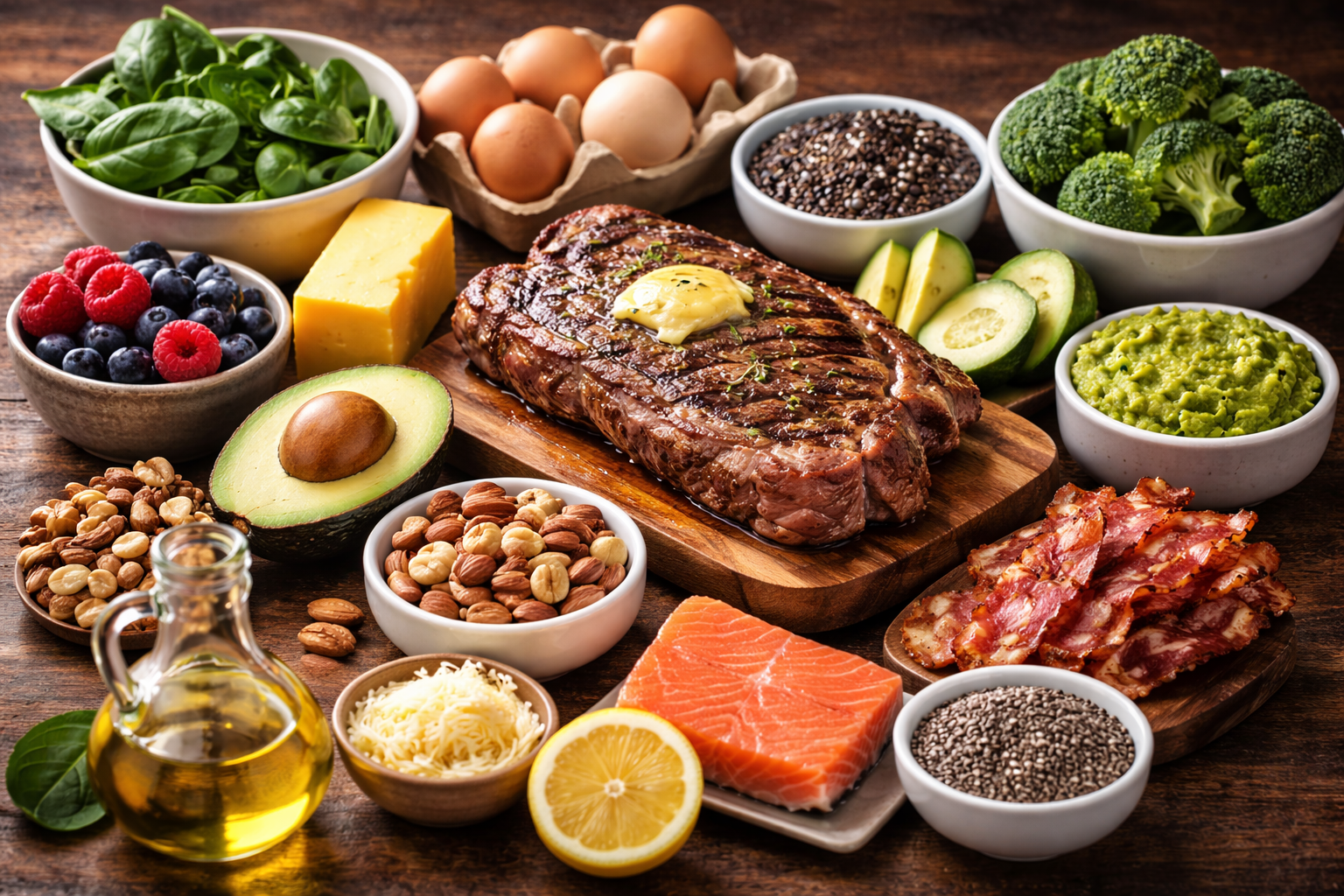
A ketogenic diet restricts carbohydrates to approximately 20-50g per day (typically under 5% of calories), forcing the body to produce ketones from fat as its primary fuel source. This metabolic state (ketosis) is associated with rapid initial weight loss (much of it water weight from glycogen depletion), reduced appetite, and stable blood sugar.
The overlap with GLP-1 mechanisms: both keto and GLP-1 medications reduce appetite and improve insulin sensitivity. On the surface, this seems like a synergistic combination.
The Case FOR Keto on GLP-1
- Amplified appetite reduction. Ketosis independently reduces hunger; combined with GLP-1-driven appetite suppression, some users report very low hunger levels — accelerating early weight loss
- Faster initial fat loss. Ketosis preferentially burns fat for fuel; combined with GLP-1’s calorie deficit, early results can be dramatic
- Blood sugar stability. Low carbohydrate intake prevents blood sugar spikes that can worsen GLP-1 nausea in some people
- Protein naturally prioritised. A well-constructed keto diet is high in protein — which is exactly what GLP-1 users need for muscle preservation
The Case AGAINST Keto on GLP-1 — The Risks
| Risk | Why It Happens | What to Do |
|---|---|---|
| Severe constipation | GLP-1 already slows gut motility; very low fibre on keto compounds this significantly | Add psyllium husk, increase non-starchy vegetable intake, consider Lily & Loaf Probiotics |
| Electrolyte depletion (keto flu) | Reduced carbs → less glycogen → more water and electrolytes lost via kidneys; GLP-1 reduces food intake further | See hydration guide — electrolyte supplementation is essential |
| Inadequate calories | GLP-1 + keto can reduce intake so much that even basic energy needs are not met | Monitor intake — minimum ~1,000-1,200 kcal/day recommended; protein shake if needed |
| Nutritional deficiencies | Strict keto eliminates many nutrient-dense foods (legumes, wholegrains, most fruit) | Multivitamin essential: Lily & Loaf Multi-Vits & Minerals |
| Sustainability | Strict keto is difficult to maintain long-term, especially socially in the UK | Most people are better served by moderate low-carb rather than strict keto |
Electrolytes on Keto + GLP-1 — Critical
If you do combine keto with GLP-1 medication, electrolyte management is not optional — it is essential. Keto causes significant electrolyte loss through increased urinary excretion. GLP-1 medications reduce food intake, further limiting dietary electrolyte sources. The combination makes deficiency highly likely without supplementation. Full guide: Hydration and Electrolytes on GLP-1.
- Lily & Loaf Electrolyte Drink (use code ALAN10 for 10% off) — comprehensive electrolyte formula designed for people in active weight loss
- Lily & Loaf Triple Magnesium (use code ALAN10 for 10% off) — magnesium is commonly depleted on keto and GLP-1 combined
- Potassium supplement or No Salt UK — potassium supplementation is important on keto; ensure you are getting enough
The Better Middle Ground — Moderate Low-Carb
Most UK dietitians working with GLP-1 patients do not recommend strict keto. The evidence-supported recommendation is moderate low-carb: reducing refined carbohydrates and sugar, keeping complex carbohydrates from vegetables and legumes, and prioritising protein and healthy fats. This approach gives most of the metabolic benefits of keto without the side effect amplification or sustainability problems.
Practical target: 80-120g of carbohydrates per day, primarily from vegetables, legumes, and small amounts of wholegrains. Eliminate white bread, white rice, pasta, sugar, and ultra-processed foods. Keep protein high. Add healthy fats. This is essentially a lower-carb version of the Mediterranean diet approach.
Who Might Benefit From Keto on GLP-1?
Keto combined with GLP-1 may be most appropriate for:
- People with type 2 diabetes who need aggressive blood sugar management alongside weight loss
- People who have significant previous experience with keto and know they tolerate it well
- Short-term use (8-12 weeks) to break through a weight loss plateau — not as a permanent approach
- People whose gut symptoms are primarily nausea rather than constipation (keto may help nausea by stabilising blood sugar)
RECOMMENDED SUPPLEMENTS
Lily & Loaf — Quality Supplements for GLP-1 Users
Whether you choose keto, Mediterranean, or something in between — these supplements fill the gaps that any restricted diet leaves.
📚 RELATED READING
Some links in this post are affiliate links. If you purchase through them, I may earn a small commission at no extra cost to you. I only recommend products I use myself. Use code ALAN10 for 10% off Lily & Loaf. This post is for informational purposes only — always consult your GP for medical advice.
A Practical Keto + GLP-1 Protocol if You Choose to Try It
If you want to trial keto alongside GLP-1 medication, this is the safest approach:
- Start at low dose GLP-1 (2.5mg tirzepatide / 0.25mg semaglutide) before introducing keto — let the medication settle first
- Transition to keto gradually over 2 weeks rather than overnight — reduces the combined side effect load
- Supplement electrolytes from day one — Lily & Loaf Electrolytes or equivalent
- Track protein obsessively — minimum 100g daily, prioritise this above fat or carbohydrate management
- Review at 4 weeks — if constipation or fatigue are severe, consider a modified approach (100g carbs/day instead of strict keto)
Sources: Volek and Phinney: The Art and Science of Low Carbohydrate Living · Paoli et al., 2021: Ketogenic diet and GLP-1 interactions review
The key takeaway: keto is not recommended as a default approach on GLP-1 medication, but it is not incompatible if managed carefully. Most UK dietitians working with GLP-1 patients recommend a high-protein, moderate low-carb eating pattern as the best combination of effectiveness, sustainability, and side effect management. Whatever dietary approach you choose, adequate protein and electrolytes are non-negotiable.
For the most complete dietary framework for GLP-1 users: What to Eat on Mounjaro UK covers protein-first eating, meal timing, and practical food choices that work with the medication rather than against it.
Discover more from Healthy Weight Loss GLP1
Subscribe to get the latest posts sent to your email.