
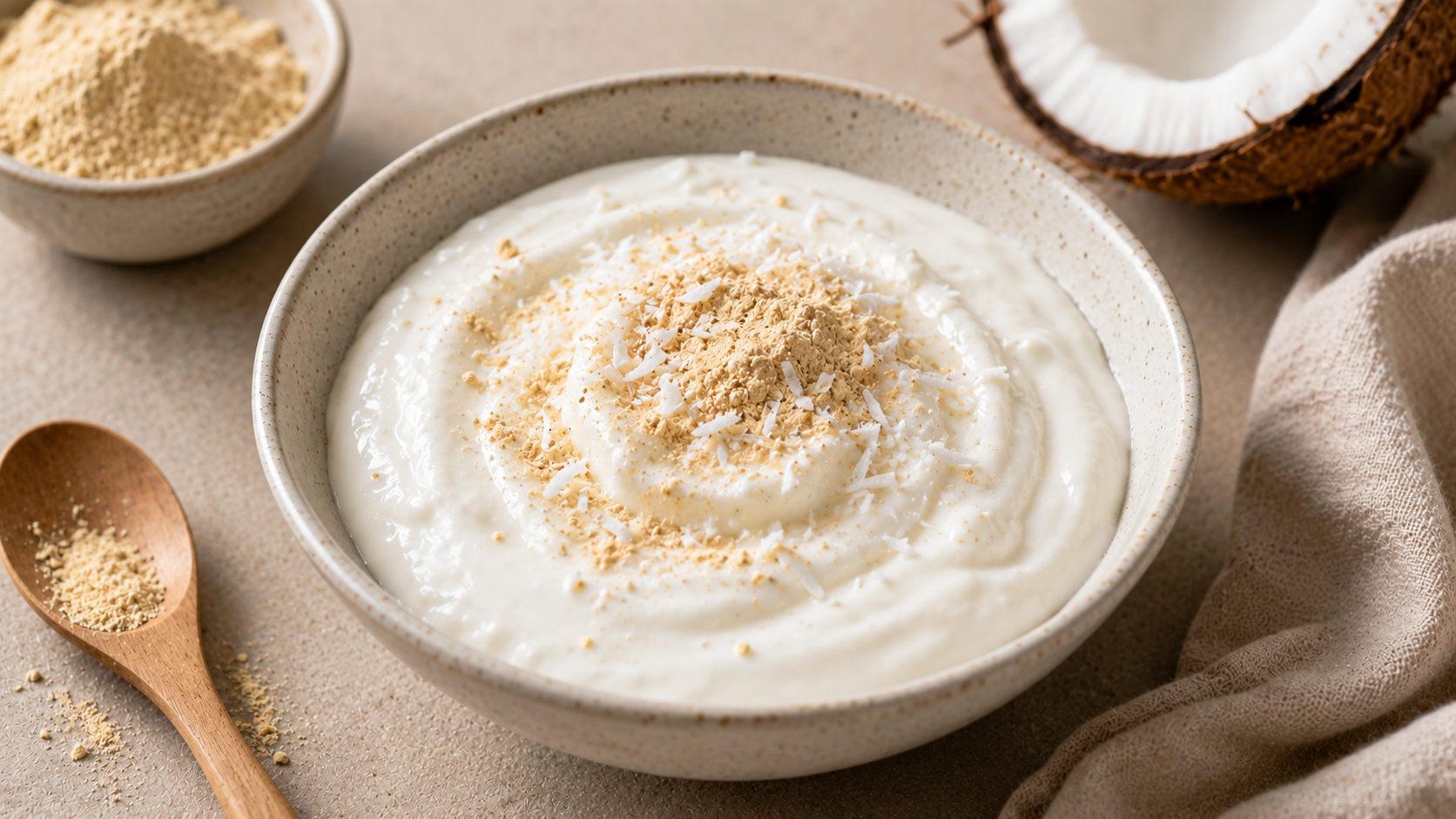
Sometimes you want something quick, cool and a little bit different. Maca and coconut stirred through yoghurt takes two minutes, comes in at just 105 calories, and works either as a light breakfast or a topper for something bigger. I will be straight with you though: on its own it is light on protein, so I will show you exactly how to turn it into a proper GLP-1 breakfast.
A quick word first: I am not a doctor or a dietitian, just someone who lived this. None of these foods or supplements are medication, and if you are on a GLP-1, check anything new with your GP or pharmacist. Right, let us get to it.
For more quick options and how to hit your protein, see high-protein breakfasts on GLP-1 and am I eating enough protein.
Why this quick yoghurt works
This is the definition of low-effort, and there is a place for that on a busy GLP-1 morning.
Yoghurt brings gut-friendly bacteria. A live plain yoghurt supports the microbiome, which takes a knock when you eat as little as we do on the jab.
Maca is an interesting energy add. Maca powder has a long history of traditional use for energy and stamina. I cannot make formal claims for it, but I like it and many people do.
It is genuinely two minutes. No cooking, minimal washing up, and it doubles as a topping for porridge or fruit.
Where this actually fits in my week
I will be honest: I do not eat this as a standalone breakfast very often, because on its own it is too light to protect my protein. Where it earns its place is as a topper and a two-minute option. Spooned over the purpled porridge or a fruit and quinoa bowl, it adds flavour and a little something different. And on a morning when I have almost no appetite, a few spoonfuls of maca-coconut Greek yoghurt is a realistic thing to get down when a full plate is impossible.
That is the honest framing. It is a useful little recipe with a role to play, not a hero breakfast — and knowing the difference is what stops you under-eating protein by accident.
The macros that matter
Here is what one serving gives you:
| Per serving | Amount |
|---|---|
| Calories | ~105 kcal |
| Protein | 4g |
| Carbohydrate | 9g |
| Fat | 6g |
| Fibre | 2g |
Those are the numbers I care about most, and the protein figure is the one to watch on a GLP-1. As a rough guide I aim for somewhere around 1.2 to 1.6g of protein per kilo of body weight across the day to protect muscle while losing fat, and I judge every meal by how much of that it contributes. I log meals like this in Cronometer (it is free) so I know I am actually hitting my targets rather than hoping — and honestly, the first time I tracked properly I realised I was eating far less protein than I thought. If you have never done it, give it two weeks; it is the single most useful thing you can do, and it costs nothing.
What you need (serves 1)
- 3 tbsp plain yoghurt
- 1 tsp maca powder
- 2 heaped tsp desiccated coconut
- ½ tsp honey or agave
- To serve: fresh berries, fruit salad, banana slices, or over porridge / a quinoa bowl
- Protein boost: use Greek yoghurt and add a scoop of Hydrolysed Collagen
How to make it
- Spoon the yoghurt into a small bowl.
- Add the maca powder, desiccated coconut and honey.
- Stir thoroughly until everything is combined.
- Eat straight away, or chill for a few minutes first.
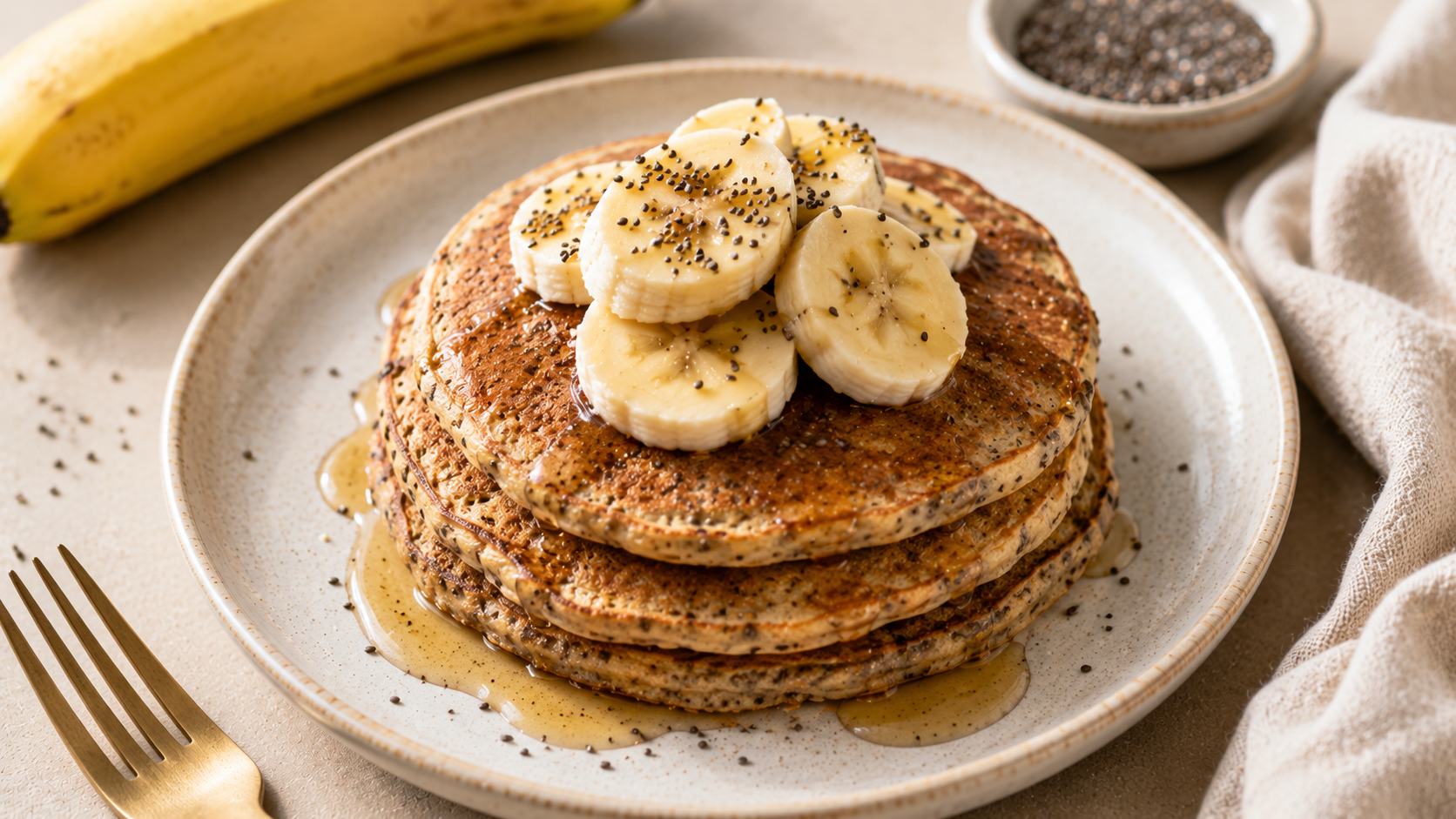
- Lovely on its own, or spooned over fruit, porridge or pancakes.
How to make it a real breakfast
At 4g of protein, this is a topper, not a main meal — so here is how I turn it into one:
Start with Greek yoghurt. Swapping plain for Greek roughly triples the protein straight away.
Add collagen or protein. A scoop of Hydrolysed Collagen takes it to a proper 15g-plus.
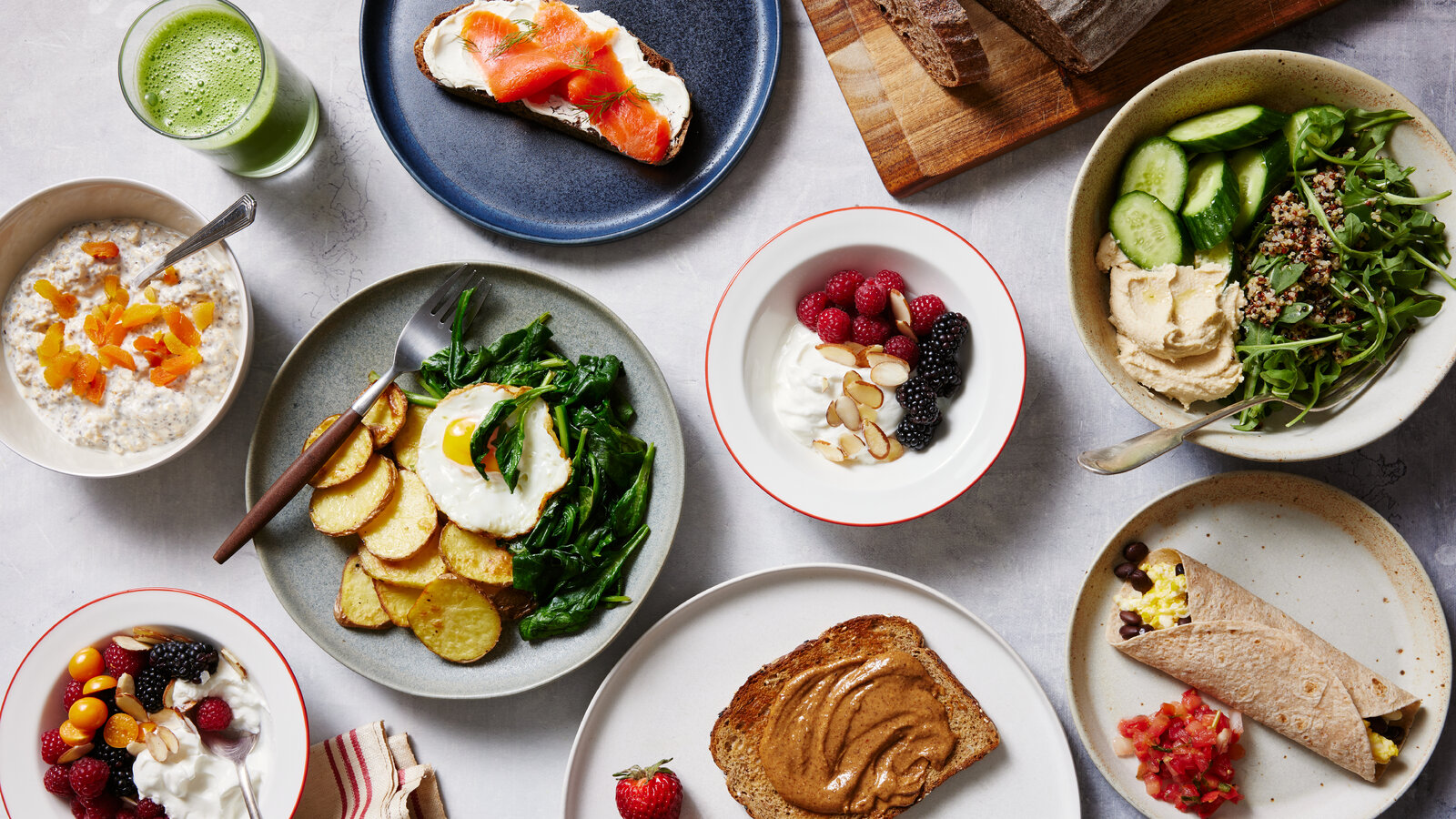
Serve it over something. Spoon it onto a bowl of berries and oats to build a complete, higher-protein breakfast.
A straight word on maca
Maca is having a moment, and I want to be measured about it. It is a Peruvian root traditionally used for energy and stamina, and plenty of people, me included, feel they get a lift from it. But the strong marketing claims you see around hormones and energy are not formally authorised health claims, so I am not going to repeat them as fact. Enjoy it for the flavour and the ritual, treat any energy benefit as a bonus rather than a promise, and do not let it distract from the basics of protein, fibre and sleep that actually move the needle.
Best made fresh
This takes so little time that there is no real need to prep it, but you can mix a larger batch of the maca-coconut yoghurt and keep it covered in the fridge for a couple of days, ready to spoon over whatever you fancy.
How it fits a full day of eating
Because this is light, I never let it be the only protein event of my morning. If I have it as a quick standalone, I make a point of a protein-heavy high-protein lunch and keep high-protein snacks to hand so the day still adds up. More often, I use it as a topper on a bigger breakfast, which keeps the morning protein where it needs to be.
The wider principle is one I come back to constantly on a GLP-1: think in terms of the whole day, not the single meal. A light breakfast is completely fine as long as lunch and dinner carry the protein — guided here by my high-protein dinner ideas — and a protein shake is always a useful backstop. My complete GLP-1 guide lays out how I balance it all.
No appetite this morning?
Cool, soft and tiny, this is an easy one to manage when your appetite has vanished — even a few spoonfuls of Greek yoghurt with a little honey protects some protein. When you cannot face preparing anything, HelloFresh bridges the gap with ready meals.
Supplements that pair well
Since gut health is the theme here, a probiotic like Pre + Pro 15 sits perfectly alongside a yoghurt breakfast. If your gut has been all over the place on the jab, my gut health supplements guide is worth a read, and the free Lily & Loaf lifestyle analysis can match a routine to you.
Frequently asked questions
What does maca actually do?
It is traditionally used for energy and stamina. The strongest claims are not formally authorised, so treat it as a nice addition you may enjoy rather than a guaranteed effect.
Is this enough for breakfast?
Only if you bulk it up. On its own it is a light topper at 4g protein — use Greek yoghurt and add collagen or fruit and oats to make it a proper meal.
Can I use dairy-free yoghurt?
Absolutely. A thick coconut or soya yoghurt works well; check the protein content, as plant yoghurts vary a lot.
Is maca safe to take daily?
Most people tolerate culinary amounts well. If you have a hormone-related condition or are on medication, check with your GP or pharmacist first, as with any new supplement.
What does maca taste like?
Earthy and slightly malty, a bit like a mild butterscotch. A teaspoon with coconut and honey in yoghurt mellows it nicely.
Where can I buy maca powder?
Most health shops and larger supermarkets stock it, and it is widely available online. A little goes a long way, so one bag lasts months.
The bottom line
Maca and coconut yoghurt is a handy little two-minute recipe — a topper and a light option rather than a hero breakfast. Made with Greek yoghurt and a scoop of collagen it becomes a real protein contributor; on its own, treat it as part of a bigger breakfast rather than the whole thing. Used honestly, it adds variety and a bit of ritual to your mornings. If you are curious which supplements are actually worth your money versus which are just hype, the free Lily & Loaf lifestyle analysis is a good, no-pressure place to start.
The tools I lean on
If you are putting a GLP-1 routine together, this is the order I would do it in, free tools first:
- Track a fortnight of food in Cronometer so you can see your real protein and calories.
- Take the free Lily & Loaf lifestyle analysis to find the supplements actually worth buying.
- Start an Audible trial for something to listen to while you cook or walk.
- Keep HelloFresh on standby for the weeks cooking from scratch just is not happening.
A bit about me
I am Alan Spicer. I lost around seven stone on Mounjaro and filmed the whole thing, warts and all, on my YouTube channel. Protein-first, no-nonsense breakfasts like this were a real part of how I held onto muscle and kept the weight off.
This article shares my personal experience and general information only. It is not medical advice. Food and supplements support a balanced diet and healthy lifestyle and do not replace it or any treatment prescribed by your doctor. Speak to your GP or pharmacist before making changes, especially while on a GLP-1 medication.
Recipe adapted from the original Maca & Coconut Yoghurt at Lily & Loaf.
Discover more from Healthy Weight Loss GLP1
Subscribe to get the latest posts sent to your email.