
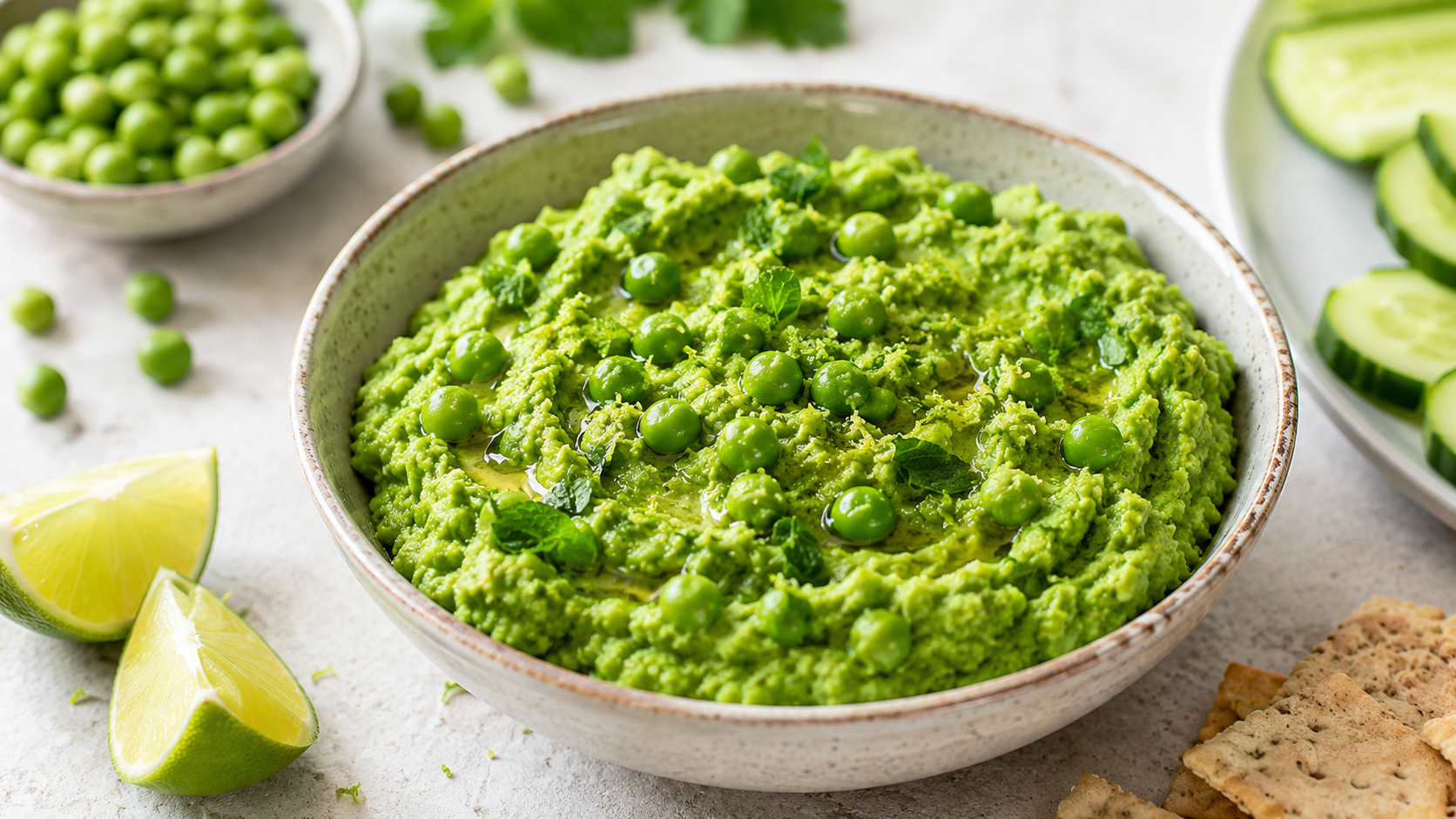
Guacamole is delicious but calorie-dense, so this clever twist stretches it further by blending in green peas alongside the avocado. The result is a vibrant, fresh dip that is lighter, higher in protein and fibre, and every bit as tasty, at around 110 calories a serving. It is a brilliant example of a small tweak that makes a treat go further — exactly the kind of thinking that helps on a GLP-1.
A quick word first: I am not a doctor or a dietitian, just someone who lived this. None of these foods or supplements are medication, and if you are on a GLP-1, check anything new with your GP or pharmacist. Right, let us get to it.
For the wider approach to eating on the jab, see my complete GLP-1 guide, and for fibre, fibre on GLP-1.
Why peas make guacamole better for you
Adding peas to guacamole sounds like heresy until you taste it, and then it just makes sense.
It stretches the avocado. Avocado is healthy but calorie-dense, so bulking the dip out with peas means you can enjoy a bigger portion for fewer calories.
Peas add protein and fibre. Green peas bring more protein than most vegetables plus useful fibre, so this version is more filling and nutritious than classic guac.
It stays vibrant and green. The peas keep the colour bright and fresh, and they add a subtle sweetness that works beautifully with the lime and coriander.
The art of stretching calorie-dense favourites
One of the most useful skills I picked up on my weight-loss journey is learning to stretch calorie-dense foods I love with lower-calorie ingredients, so I can still enjoy them but in a form that fits my goals. This pea guacamole is a perfect little example. Avocado is genuinely good for you, full of healthy fats, but it is also very calorie-dense, so a big bowl of classic guacamole adds up fast. By blending in green peas, I effectively double the volume of the dip for a fraction of the extra calories, while adding protein and fibre into the bargain. I get a generous, satisfying portion without the calorie hit of an all-avocado version.
This same trick works all over the kitchen. Bulking a bolognese with grated veg, stretching mince with lentils, padding out a creamy sauce with blended cauliflower, mixing cauliflower rice through regular rice — in each case you take something you love and make it go further with something lighter and more nutritious, so you can eat a satisfying amount without overdoing the calories. On a GLP-1, where you want maximum satisfaction from your smaller portions, learning to stretch your favourites like this is genuinely valuable. It is not about depriving yourself of the foods you enjoy; it is about being clever so you can keep enjoying them. This guacamole tastes every bit as good as the real thing, and you can have a proper scoopful without a second thought.
The macros that matter
Here is roughly what one serving gives you. Treat these as a guide rather than gospel, since it depends on your exact ingredients and portions:
| Approx per serving | Amount |
|---|---|
| Calories | ~110 kcal |
| Protein | 4g |
| Carbohydrate | 10g |
| Fat | 7g |
| Fibre | 5g |
The protein figure is the one I watch on a GLP-1. As a rough guide I aim for somewhere around 1.2 to 1.6g of protein per kilo of body weight across the day to protect muscle while losing fat, and I judge every meal by how much of that it contributes. I log meals like this in Cronometer (it is free) so I know I am actually hitting my targets rather than hoping. The first time I tracked properly I realised I was eating far less protein than I thought, so if you have never done it, give it two weeks.
What you need (serves 1)
- 100g frozen peas, defrosted (or cooked and cooled)
- 1 ripe avocado
- Juice of 1 lime
- 1 small clove garlic, crushed
- ¼ red onion, finely diced
- A handful of fresh coriander
- ½ red chilli, finely chopped (optional)
- Salt to taste
- Optional: a few cherry tomatoes, diced, to stir through
How to make it
- Put the defrosted peas, avocado, lime juice, garlic and half the coriander in a bowl or blender.
- Mash with a fork for a chunky guac, or pulse in a blender for a smoother dip — your choice.
- Stir in the diced red onion, the rest of the coriander and the chilli if using.
- Season with salt and more lime to taste.
- Fold through the diced tomatoes if you like, for extra freshness and colour.
- Serve straight away with veg sticks, or as a side alongside a protein.
Adapting it
This is a flexible little dip:
Adjust the ratio. More peas for lighter and higher in fibre, more avocado for richer and creamier — tune it to your day.
Add protein. A spoon of Greek yoghurt blended in adds creaminess and protein.
Spice it up. More chilli, a pinch of cumin, or a dash of hot sauce for a punchier dip. See fibre on GLP-1.
Stopping guacamole going brown
The one frustration with any avocado-based dip is how quickly it browns, turning an appetising green dip into a sad grey-brown one within a couple of hours. It is worth understanding why and how to slow it down, because it lets you prep ahead. The browning is oxidation — the avocado flesh reacting with air — and the enemy is exposure to oxygen. The good news is that this pea guacamole browns more slowly than pure guac, because the peas dilute the avocado. To slow it further, the acid in the lime juice genuinely helps, so be generous with it. The classic trick is to press a layer of cling film directly onto the surface of the dip so no air can reach it, then refrigerate; some people also pour a thin layer of water over the top to seal it from the air, then pour it off before serving. Storing it in an airtight container with as little air space as possible helps too. With these tricks you can make this dip a few hours ahead, or keep leftovers for a day, without it discolouring badly. That said, like most fresh dips it is at its absolute best made fresh, so I tend to make just what I need. But knowing how to hold it a while is useful for entertaining or prepping ahead, and the pea version gives you more leeway than classic guacamole does.
Best fresh, but it holds
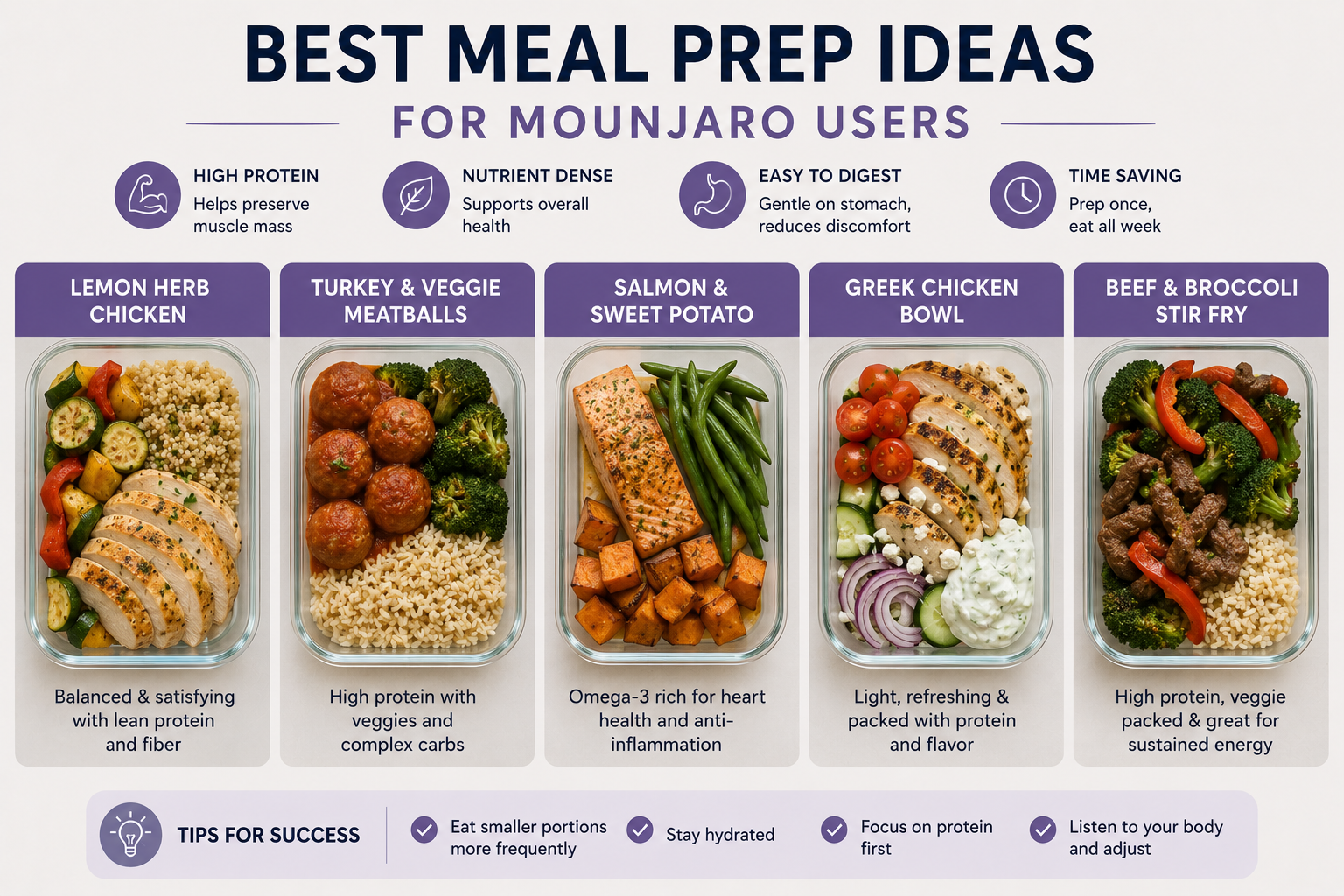
Fresh is best with any avocado dip, but the peas help this one keep its colour a little longer than classic guac. Make it a few hours ahead if you need to, pressing cling film onto the surface and keeping it airtight in the fridge. It is a lovely thing to have prepped for veg sticks or alongside a protein. A fresh, quick addition to my meal prep ideas for Mounjaro.
How I use it alongside my meals
Like any dip, this is a side rather than a meal, so I use it to add freshness, healthy fats and a little protein and fibre to my protein-first eating. It is brilliant with veg sticks as a snack, dolloped onto a chicken or fish dinner, spooned into a wrap, or piled onto the Mexican-style dinners from my high-protein dinner ideas.
The pea addition means it brings a bit more protein and fibre than classic guac, which is a nice bonus for a side, but I still get the bulk of my protein from the main event. Think of this as the thing that makes your veg and protein more enjoyable while quietly boosting your fibre. My complete GLP-1 guide explains how the whole plate fits together.
When your appetite is low
On a low-appetite day, a fresh, zingy dip like this can make a small amount of food appealing when heavier things do not — a little with some veg sticks or alongside a bit of protein is easy to manage. When cooking feels like too much, HelloFresh keeps proper meals coming. More in what to eat with no appetite.
Supplements that pair well
The avocado gives healthy fats but little omega-3, so I top up with Super Omega-3 EPA, and as a fresh, plant-based side it fits a gut-friendly routine that a probiotic like Pre + Pro 15 supports. The free Lily & Loaf lifestyle analysis matches a routine to your goals.
Frequently asked questions
Do peas really work in guacamole?
Genuinely, yes — they blend in seamlessly, keep the colour vibrant, and add a subtle sweetness that works with the lime and coriander. You get a bigger, lighter, higher-fibre dip that tastes every bit as good.
Why add peas at all?
To stretch the calorie-dense avocado further, so you can enjoy a bigger portion for fewer calories, while adding protein and fibre. It is a clever way to make a treat go further on a weight-loss diet.
How do I stop it browning?
Be generous with the lime juice, press cling film directly onto the surface, and keep it airtight in the fridge. The peas help it hold its colour longer than classic guacamole too.
Can I use tinned or fresh peas?
Frozen peas, defrosted, are ideal — sweet, convenient and cheap. Fresh cooked and cooled peas work too. Tinned peas are softer and less sweet, so frozen is the better choice here.
Is it filling enough to be a snack?
With veg sticks, yes — the fibre and healthy fats are satisfying. For a more substantial snack, pair it with a protein source. It is a side and snack rather than a meal in itself.
The bottom line
Green pea guacamole is a clever, higher-protein, lower-calorie twist on a favourite — the peas stretch the avocado further, add fibre and protein, and keep it vibrantly green, all for around 110 calories a serving. Learning to stretch calorie-dense favourites with lighter ingredients lets you keep enjoying the foods you love while the weight comes off. Make it fresh, use it everywhere, and enjoy a proper scoopful. To match your supplements to a fresh, plant-forward diet, the free Lily & Loaf lifestyle analysis is a quick, no-pressure check.
The tools I lean on
If you are putting a GLP-1 routine together, this is the order I would do it in, free tools first:
- Track a fortnight of food in Cronometer so you can see your real protein and calories.
- Take the free Lily & Loaf lifestyle analysis to find the supplements actually worth buying.
- Start an Audible trial for something to listen to while you cook or walk.
- Keep HelloFresh on standby for the weeks cooking from scratch just is not happening.
A bit about me
I am Alan Spicer. I lost around seven stone on Mounjaro and filmed the whole thing, warts and all, on my YouTube channel. Simple, nutrient-packed sides like this helped me eat more veg, add fibre, and keep my meals interesting while the weight came off.
This article shares my personal experience and general information only. It is not medical advice. Food and supplements support a balanced diet and healthy lifestyle and do not replace it or any treatment prescribed by your doctor. Speak to your GP or pharmacist before making changes, especially while on a GLP-1 medication. Nutrition figures are approximate and will vary with the exact ingredients and brands you use.
Inspired by the kind of fresh, wholefood sides in the Lily & Loaf sides collection. This is my own version, written from my own kitchen.
Discover more from Healthy Weight Loss GLP1
Subscribe to get the latest posts sent to your email.