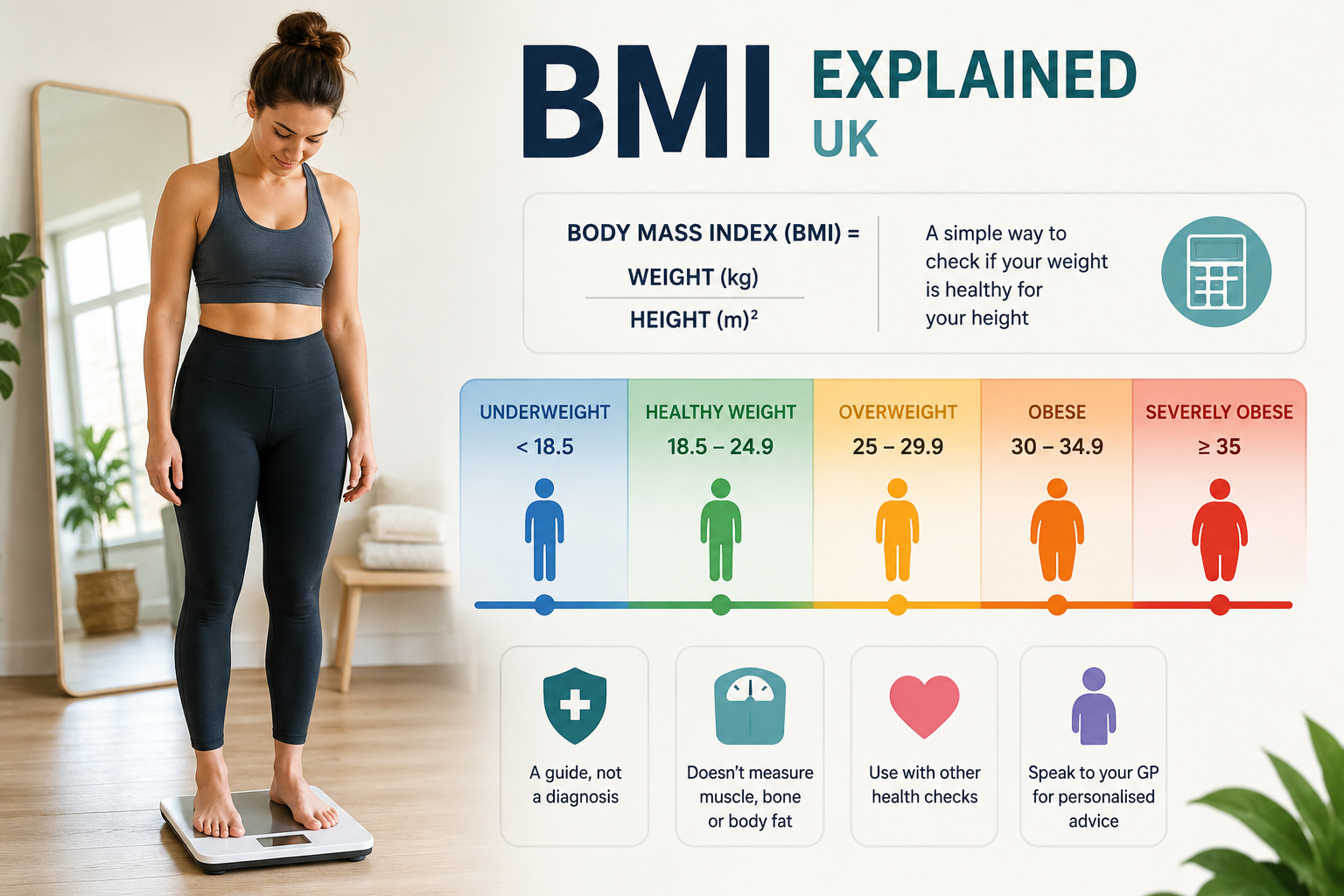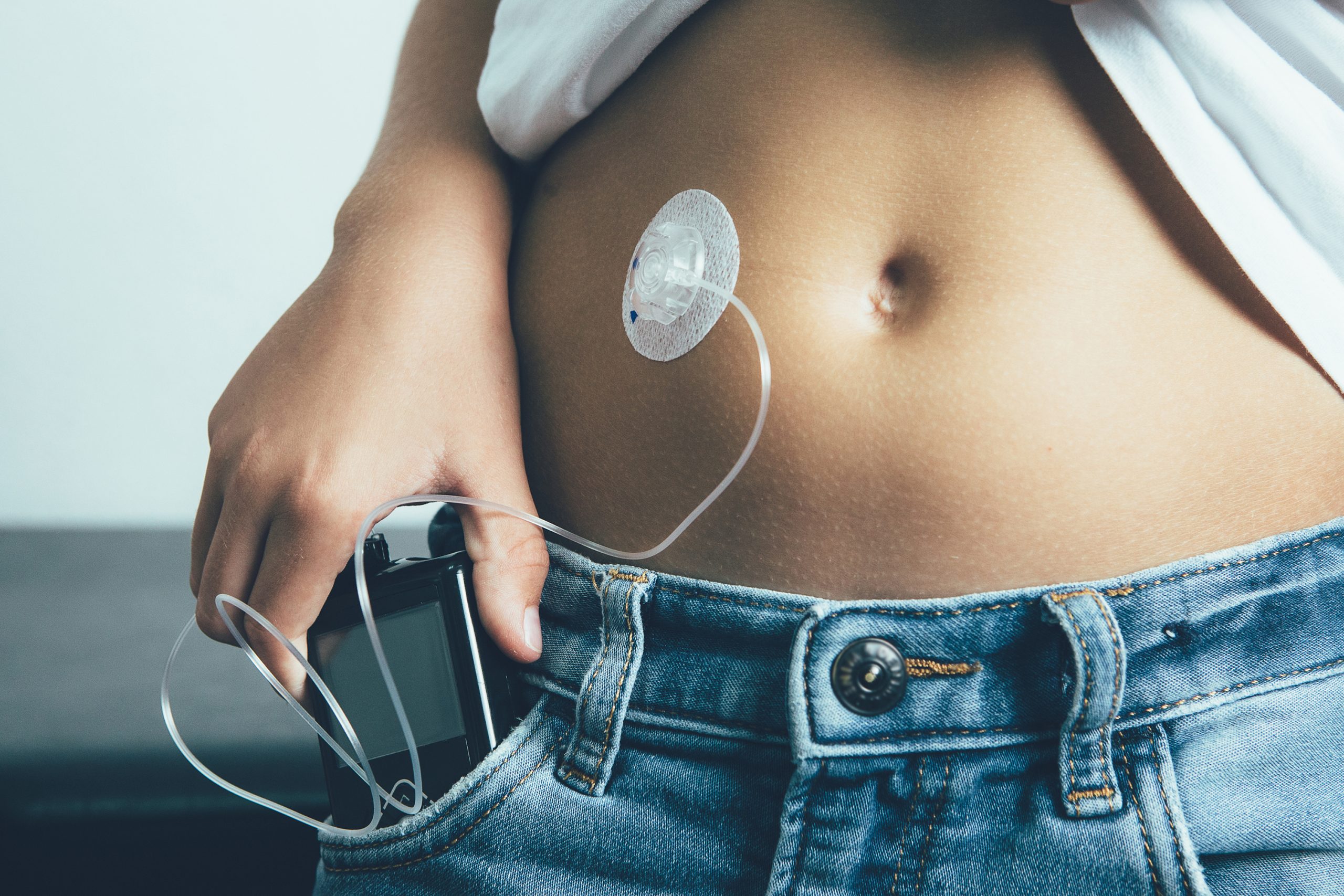


Perimenopause and overweight are a frustrating combination: falling oestrogen drives fat redistribution toward the abdomen, insulin resistance typically worsens, and the hormonal disruption of this phase makes weight loss harder even with dietary effort. Mounjaro addresses several of these mechanisms simultaneously — particularly insulin resistance and appetite dysregulation — making it particularly effective for perimenopausal women compared to diet-only approaches. But the hormonal context also creates specific considerations around bone health, muscle mass, and cardiovascular risk that are worth understanding. This is the complete UK guide.
Related reading: GLP-1 Weight Loss Over 50s UK and Mounjaro and Mental Health UK (mood changes are significant in perimenopause).
Why weight loss is harder in perimenopause
Perimenopause — typically occurring in the forties, sometimes the late thirties — involves progressively irregular oestrogen and progesterone levels as ovarian function declines. Several mechanisms make weight management harder:
Oestrogen-driven fat redistribution: falling oestrogen shifts fat storage from hips and thighs toward the abdomen (visceral fat). Visceral fat is metabolically active — it secretes inflammatory cytokines and contributes to insulin resistance in a way subcutaneous fat doesn’t. The result is increased metabolic risk even with the same total body weight.
Insulin resistance: oestrogen has a protective effect on insulin sensitivity. Declining oestrogen worsens insulin resistance, making it harder to maintain a calorie deficit — the body becomes more efficient at storing fat and less responsive to appetite signals.
Reduced muscle mass: the rate of age-related muscle loss (sarcopenia) accelerates post-menopause. Combined with oestrogen’s anabolic effect on muscle diminishing, lean mass maintenance becomes harder.
Sleep disruption: night sweats and hormonal sleep disruption are nearly universal in perimenopause. Poor sleep raises ghrelin and cortisol — directly worsening appetite regulation and fat storage.
Psychological factors: mood changes, cognitive fog, and anxiety in perimenopause reduce motivation, energy, and consistency — the behavioural foundations of sustained weight loss.
How Mounjaro works differently in the perimenopause context
Mounjaro’s dual GLP-1 and GIP receptor agonism addresses several of perimenopause’s weight management challenges directly:
Insulin resistance: tirzepatide is the most effective currently available non-surgical intervention for insulin resistance. This is particularly relevant for perimenopausal women where insulin resistance is a core driver of weight gain and metabolic deterioration.
Appetite dysregulation: the food noise increase and appetite dysregulation that perimenopause can cause (through hormonal disruption of leptin and ghrelin signalling) is addressed by Mounjaro’s central appetite mechanisms.
Visceral fat reduction: GLP-1 treatment produces proportionally greater visceral fat reduction relative to total weight loss — meaning the metabolically dangerous abdominal fat reduces more than the percentage scale weight change would suggest.
The result: Mounjaro is particularly effective for perimenopausal women — they tend to respond well because the medication addresses the underlying insulin resistance that makes conventional approaches frustratingly ineffective in this phase.
Bone health: the critical consideration
Perimenopause is when bone density loss accelerates, driven by oestrogen’s protective role in bone maintenance. Rapid weight loss compounds this — bone density is mechanically stimulated by body weight, and losing weight rapidly reduces this stimulus.
Actions to protect bone density on Mounjaro during perimenopause:
Resistance training is non-negotiable: mechanical loading through resistance exercise is the most effective non-hormonal stimulus for bone density. Weight-bearing exercise (lifting, not swimming or cycling) is specifically important. See Best Kettlebell Workouts for GLP-1 UK.
Calcium and vitamin D adequacy: track calcium in Cronometer. UK recommendation for women over 50 is 700mg daily — achievable from dairy, fortified foods, tinned fish with bones. If dietary intake is consistently low on a GLP-1 reduced appetite, supplementation is appropriate. Vitamin D (10mcg/400IU daily minimum; many perimenopausal women benefit from 25mcg) supports calcium absorption.
Discuss DEXA scan with GP: if you have multiple risk factors for osteoporosis (family history, previous fractures, significant weight loss planned), a baseline DEXA scan before starting Mounjaro gives you a point of comparison.
Consider HRT if appropriate: HRT is increasingly recommended as a frontline option for perimenopausal women in UK clinical guidance. HRT preserves bone density significantly better than any dietary approach alone. If you’re considering both Mounjaro and HRT, discuss the combination with your GP — they work through different mechanisms and are compatible.
Muscle mass: the other structural risk
The double challenge for perimenopausal women on Mounjaro: both the weight loss and the hormonal changes favour muscle loss. Managing this requires deliberate intervention:
- Protein target: 1.4–1.6g per kg body weight daily — higher than the standard recommendation, because both hormonal context and calorie deficit increase muscle breakdown rate
- Check protein intake weekly in Cronometer — the gap between perceived and actual intake is consistently larger in perimenopausal women on GLP-1s than in younger users
- Resistance training three times weekly, progressed consistently (see Progressive Overload Explained UK)
- Consider creatine monohydrate 3–5g daily — evidence specifically for muscle and bone benefit in perimenopausal women is accumulating (see Creatine on GLP-1 UK)
The mood and mental health intersection
Perimenopausal mood changes — anxiety, irritability, low mood, cognitive fog — overlap with the early Mounjaro adjustment period, which can itself include mood disruption. Distinguishing between hormonal and medication-related mood changes is difficult and often clinically unnecessary, but worth tracking.
Useful approach: keep a brief daily mood note alongside weight tracking for the first three months. Patterns often emerge — injection day mood dips that are distinct from the broader hormonal fluctuation cycle. This data helps prescribers and GPs give more accurate advice.
If mood symptoms are significant, discuss both Mounjaro and HRT with your GP. HRT has mood benefits for perimenopausal women that are well-evidenced; combining it with Mounjaro is not contraindicated and may produce better overall wellbeing than either alone.
Hot flushes and Mounjaro
Some GLP-1 users report that hot flushes change on Mounjaro — some improve (likely through reduced BMI, which is a risk factor for severe flushes), some initially worsen during early titration. Night sweats from perimenopause can compound night sweats reported by some early-Mounjaro users, making sleep disruption worse in weeks one to four.
Managing the combination: cooling bedding, layering lightweight nightwear, keeping the bedroom cooler, and addressing sleep separately (see Mounjaro and Sleep UK). HRT is the most effective intervention for hot flushes specifically.
Cardiovascular risk in perimenopause on Mounjaro
Oestrogen has a protective cardiovascular effect that reduces post-menopause. Perimenopausal and postmenopausal women have higher cardiovascular risk than premenopausal women of the same age. Mounjaro’s weight loss and direct vascular effects work in the opposite direction:
- Blood pressure reduction
- Improved insulin sensitivity (major cardiovascular risk factor)
- Visceral fat reduction
- Cholesterol profile improvements in most users
For perimenopausal women with elevated cardiovascular risk (hypertension, diabetes, family history), the GLP-1 cardiovascular benefits are particularly relevant. Discuss your overall cardiovascular risk profile with your GP alongside Mounjaro prescribing.
Nutrition priorities for perimenopausal GLP-1 users
Beyond protein (already covered), three nutrients deserve particular attention:
Calcium: 700mg daily minimum from food; supplement if below. Track in Cronometer.
Magnesium: supports sleep, bone health, and mood. Perimenopausal women are frequently deficient. See Magnesium on GLP-1 UK.
Omega-3: cardiovascular protection and mood support — both relevant in this phase. See Omega-3 UK.
A structured meal approach helps hit these targets consistently. HelloFresh’s High Protein recipes (50% off first box) provide balanced, macro-labelled meals that can be verified in Cronometer against your calcium, magnesium, and protein targets without extensive meal planning effort.
Frequently asked questions
Is Mounjaro effective for weight loss in perimenopause?
Yes — and may be particularly effective because it directly addresses the insulin resistance that makes conventional weight loss harder in this hormonal phase. Clinical trial data doesn’t report lower efficacy in perimenopausal vs premenopausal women.
Can I take Mounjaro and HRT together?
Yes. There is no contraindication and no significant drug interaction between tirzepatide and HRT (whether estradiol patches, gels, or tablets). Note the oral contraceptive pill concern about absorption doesn’t apply to most HRT formats (patches, gels are not orally absorbed). Discuss the combination with your GP.
Does Mounjaro make perimenopause symptoms worse?
Not typically. Some early-treatment overlap with perimenopause symptoms (mood disruption, sleep changes, fatigue) can make the first four to eight weeks feel complicated. These generally settle as tirzepatide side effects moderate. Some perimenopausal symptoms (hot flushes, potentially) may improve as weight drops.
Should I worry about bone density on Mounjaro during perimenopause?
It’s worth being proactive: resistance training, adequate calcium and vitamin D, and a GP conversation about your bone density risk profile. Discuss HRT if appropriate. Don’t avoid Mounjaro over bone density concerns — the cardiovascular, metabolic, and quality-of-life benefits substantially outweigh the manageable bone risk with proper attention.
Medical disclaimer: perimenopause management is individual and complex. Always involve your GP in decisions about Mounjaro, HRT, and bone health. This guide is general information.
Practical week structure for perimenopausal GLP-1 users
Bringing the various elements together into a weekly structure helps manage the competing demands of GLP-1 treatment, hormonal changes, and the lifestyle interventions that make both work better:
Training: three resistance sessions per week (kettlebells, dumbbells, or bodyweight). Weight-bearing exercise for bone density. Progressive and tracked — see Progressive Overload Explained UK. Add 20–30 minutes of walking daily; low-impact, cardiovascular benefit, joint-friendly.
Nutrition: protein first at every meal. Calcium and vitamin D from food or supplements daily. Omega-3 three times a week minimum. Magnesium glycinate before bed every night. Log in Cronometer three to four days per week to verify these targets are being hit on average, not just aspirationally.
Sleep: cooling bedding, consistent bedtime, no alcohol within three hours of sleep. This is where perimenopausal women specifically have the highest potential for improvement — both hot flushes and poor sleep habits are addressable, and better sleep produces measurable improvements in weight loss trajectory and mood.
Medical: GP appointment every three months to review blood pressure, weight, and medication picture (antihypertensives, antidiabetics, HRT if applicable). Annual bloods including bone health markers if indicated. Cervical screening and breast screening up to date.
The combination of Mounjaro, adequate protein and nutrients, consistent resistance training, and sleep optimisation produces outcomes in perimenopausal women that are substantially better than the trial averages — because trials don’t require all these elements simultaneously. Real-world users who address all of them consistently can beat the population average results significantly.
Discover more from Healthy Weight Loss GLP1
Subscribe to get the latest posts sent to your email.